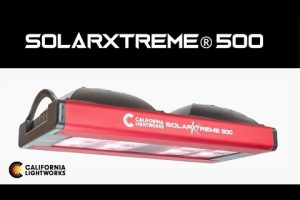
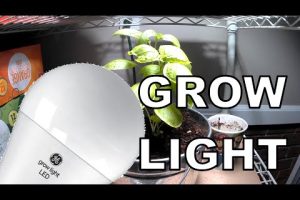
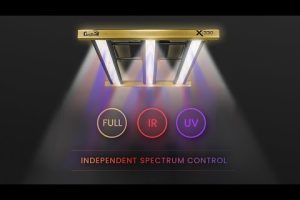
Full spectrum LEDs have revolutionized the way we think about artificial lighting, offering a light output that closely mimics the natural sun’s energy across the entire visible wavelength range. Whether you are a horticulturist cultivating indoor plants, a photographer demanding accurate color representation, or a homeowner looking to improve mood and productivity, understanding full spectrum LED technology is essential. This guide breaks down everything you need to know — from the science behind how these lights work to practical buying tips that will help you choose the best solution for your specific needs.
What Are Full Spectrum LEDs?
A full spectrum LED is a solid-state lighting device engineered to emit light across a broad range of wavelengths, covering ultraviolet, visible, and infrared portions of the electromagnetic spectrum. Unlike standard LEDs that produce narrow bands of light at specific peak wavelengths, full spectrum diodes blend multiple phosphor coatings and semiconductor materials to create a continuous, smooth light curve. This mimics the spectral distribution of natural daylight, which is why these fixtures are often referred to as daylight spectrum LEDs or sunlight-mimicking lights.
The key metric that separates true full spectrum LEDs from standard white LEDs is the spectral power distribution curve. A genuine full spectrum light source shows a broad, uninterrupted output from roughly 380 nanometers to 780 nanometers, with strong energy across all visible bands — not just a spike in the blue and yellow regions like conventional phosphor-converted white LEDs.
How Full Spectrum LED Technology Works
Understanding the inner workings of full spectrum LEDs helps you appreciate why they outperform traditional lighting in so many applications. The technology relies on several key components working together.
Blue LED Chip with Phosphor Conversion

Most full spectrum LEDs start with a high-energy blue LED chip coated in a blend of rare-earth phosphors. When the blue light strikes these phosphors, they fluoresce and re-emit light at longer wavelengths — covering greens, yellows, oranges, and reds. The magic happens when manufacturers carefully formulate multi-phosphor blends that fill in the gaps between the blue pump wavelength and the red emission bands, creating a remarkably continuous spectrum.
RGB and RGBW Multi-Die Designs
Another approach uses multiple LED dies — red, green, blue, and sometimes white — integrated into a single package. By independently driving each die, the controller can adjust the spectral output dynamically. RGBW full spectrum LEDs offer excellent color mixing and tunability, making them popular in grow light panels and studio lighting rigs.
Quantum Dot Enhancement
The latest frontier in full spectrum LED technology involves quantum dots — nanoscale semiconductor particles that emit very precise wavelengths when excited by a blue pump. Quantum dot LEDs (QD-LEDs) achieve spectral continuity that rivals natural sunlight with exceptional color accuracy, pushing color rendering index (CRI) ratings above 98 on the standard Ra scale.
Benefits of Full Spectrum LED Lighting
The advantages of switching to full spectrum LED fixtures extend far beyond simply looking “natural.” Here are the most compelling reasons to consider this technology:
- Superior Color Rendering: With CRI values often exceeding 95, full spectrum LEDs make colors appear vivid and true to life — critical for art studios, retail displays, and medical environments.
- Reduced Eye Strain: The balanced spectral output minimizes the harsh blue-light spikes associated with cheap office lighting, reducing fatigue during long working hours.
- Circadian Rhythm Support: Full spectrum lights that include gentle infrared and mild ultraviolet wavelengths help regulate melatonin production, supporting healthier sleep-wake cycles.
- Plant Growth Optimization: Indoor gardeners and commercial growers rely on full spectrum grow lights because the balanced wavelengths support both vegetative growth and flowering phases simultaneously.
- Energy Efficiency: Modern full spectrum LEDs deliver 150+ lumens per watt, combining high-quality light output with dramatically lower power consumption compared to fluorescent or incandescent alternatives.
- Long Lifespan: Quality full spectrum LED chips rated at 50,000 hours or more mean less frequent replacement and lower long-term maintenance costs.
Full Spectrum LEDs vs. Traditional Lighting
To put the value proposition in perspective, here is a side-by-side comparison of full spectrum LEDs against the most common traditional lighting technologies.
| Feature | Full Spectrum LED | Fluorescent Tube | Incandescent | Standard White LED |
| CRI (Ra) | 90–98 | 70–85 | 100 | 70–85 |
| Lifespan (hours) | 50,000–100,000 | 10,000–20,000 | 1,000–2,000 | 25,000–50,000 |
| Lumens per Watt | 130–220 | 60–100 | 10–17 | 80–150 |
| Spectral Continuity | Excellent | Moderate (spikes) | Excellent | Poor (narrow peaks) |
| UV/IR Emission | Trace to moderate | Moderate UV | High IR | Minimal |
| Heat Output | Low | Moderate | Very High | Low |
| Dimmability | Excellent | Poor | Good | Good |
As the table clearly shows, full spectrum LEDs combine the best qualities of traditional incandescent light (natural spectral continuity) with the energy efficiency and longevity of modern solid-state technology. Standard white LEDs, while energy-efficient, suffer from poor spectral distribution — they often have a pronounced blue peak around 450 nm and a broad yellow phosphor hump, leaving gaps in the cyan and deep red regions that affect color perception and biological responses.
Applications of Full Spectrum LEDs
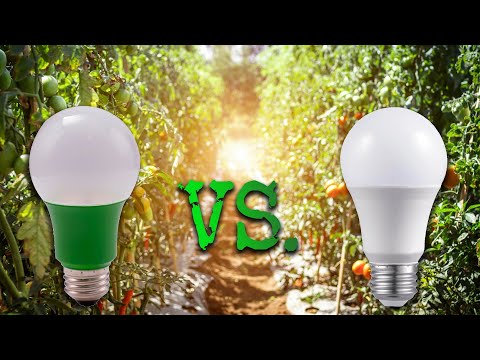
The versatility of full spectrum LED technology has driven adoption across a wide range of industries and everyday settings.
- Indoor Gardening and Horticulture: Full spectrum grow lights provide the balanced red and blue wavelengths plants need for photosynthesis while including far-red and green light that drives canopy penetration and morphological responses. This makes them ideal for everything from kitchen herb gardens to large-scale commercial vertical farms.
- Art Studios and Photography: Artists and photographers depend on high-CRI full spectrum lighting to ensure that pigments, fabrics, and skin tones render accurately. A light source with an R9 value above 90 is especially important for red-rich subjects.
- Retail and Showroom Environments: Clothing stores and automotive showrooms use full spectrum LED fixtures to make merchandise look its best under illumination that closely resembles natural daylight.
- Healthcare and Wellness Spaces: Hospitals, therapy rooms, and wellness centers install full spectrum lighting to support patient comfort, reduce stress, and align indoor environments with natural circadian cues.
- Residential Home Lighting: Homeowners increasingly retrofit existing fixtures with full spectrum LED bulbs and strips to create living spaces that feel more natural, improve alertness during the day, and support restful sleep at night.
- Aquarium and Reptile Husbandry: Aquarium enthusiasts and reptile keepers use full spectrum fixtures to simulate underwater or tropical sunlight conditions, supporting coral growth and reptile vitamin D synthesis.
How to Choose the Right Full Spectrum LED
Not all products labeled “full spectrum” deliver the same quality of light. Here are expert tips to guide your purchase decision:
- Check the CRI Rating: Look for a CRI (Ra) of 90 or higher. For demanding applications like photography or plant propagation, aim for 95+. Pay special attention to the R9 value, which measures red rendering — many budget LEDs score poorly here.
- Review the Spectral Graph: Reputable manufacturers publish spectral power distribution charts. A genuinely full spectrum LED will show a smooth, broad curve without deep valleys between wavelengths.
- Consider Color Temperature: Full spectrum LEDs are available in a range from 2700K (warm sunlight) to 6500K (cool midday sun). Choose based on your application — 4000K–5000K works well for general indoor use, while 6500K is preferred for vegetative plant growth.
- Evaluate Dimming Compatibility: Ensure the LED fixture is compatible with your existing dimmer switches or controllers. PWM dimming can sometimes cause color shift in cheaper full spectrum LEDs.
- Look for Thermal Management: Quality full spectrum LEDs feature aluminum heat sinks or ceramic substrates that prevent thermal degradation of the phosphor coatings, ensuring consistent spectral output over the fixture’s lifetime.
- Verify Certifications: Look for DLC (DesignLights Consortium), Energy Star, or IEC 62471 photobiological safety ratings as indicators of a tested, reliable product.
Common Myths About Full Spectrum LEDs
Several misconceptions circulate around full spectrum lighting that can confuse buyers. Let me address a few.
Myth 1: Full spectrum means it emits harmful UV radiation. While some full spectrum LEDs do emit trace amounts of UV, the levels are typically far below occupational safety thresholds. Most consumer-grade fixtures use phosphor coatings that absorb UV entirely, converting it to visible light.
Myth 2: All white LEDs are full spectrum. This is one of the most common mistakes. A standard cool white LED with a CRI of 80 is not a full spectrum light source — it simply has a blue pump and yellow phosphor that cannot reproduce a continuous spectral curve.
Myth 3: Full spectrum LEDs are only for plants. While horticulture drove much of the early adoption, these lights deliver measurable benefits in any space where accurate color rendering and biological comfort matter — from offices and schools to hospitals and homes.
Final Thoughts
Full spectrum LEDs represent a significant leap forward in artificial lighting technology. By replicating the balanced, continuous wavelength distribution of natural sunlight, these fixtures deliver superior color accuracy, biological benefits, and energy efficiency that no other lighting technology can match. Whether you are upgrading a grow tent, outfitting a creative studio, or simply replacing the overhead lights in your living room, investing in quality full spectrum LED products will pay dividends in visual comfort, health, and long-term savings. Do your research, check the spectral data, and choose a trusted manufacturer — your eyes and your plants will thank you.
Frequently Asked Questions
1. What is the difference between full spectrum LED and broad spectrum LED?
A broad spectrum LED covers a wider range of wavelengths than a standard LED but may still have gaps or uneven peaks. A true full spectrum LED delivers a continuous, smooth distribution across the entire visible range, closely resembling natural sunlight with no major dips in output between wavelengths.
2. Can full spectrum LEDs replace grow lights for indoor plants?
Yes, high-quality full spectrum LEDs are excellent grow lights because they provide the balanced red and blue wavelengths essential for photosynthesis along with green and far-red light that promotes healthy plant structure and canopy development. Many commercial indoor farms have switched entirely to full spectrum LED fixtures for their entire crop cycle.
3. Are full spectrum LEDs safe for extended daily use?
Absolutely. Full spectrum LEDs emit significantly less blue light hazard than standard white LEDs because their spectral distribution is balanced rather than spiking heavily in the 440–480 nm range. For extended use in offices or living spaces, they are among the safest and most comfortable light sources available.
4. Do full spectrum LEDs help with seasonal affective disorder (SAD)?
Many light therapy practitioners recommend full spectrum LEDs with a color temperature between 5000K and 6500K and a high CRI for treating seasonal affective disorder. The balanced spectral output helps regulate circadian rhythms and supports serotonin production, which can alleviate SAD symptoms during darker months.
5. How long do full spectrum LED fixtures typically last?
Most premium full spectrum LED fixtures are rated for 50,000 to 100,000 hours of operation, depending on the quality of thermal management and driver components. At an average of 12 hours of daily use, this translates to roughly 11 to 23 years of service life before light output drops below 70% of initial lumen maintenance.