Full spectrum LED lighting has revolutionized the way we think about artificial illumination — from indoor gardens and commercial greenhouses to home offices and therapeutic environments. Unlike traditional LEDs that emit a narrow band of wavelengths, full spectrum LED technology replicates the natural light spectrum, delivering a broad range of colors from ultraviolet through visible light to infrared. This comprehensive light output closely mimics the sun’s natural output, making it one of the most versatile and scientifically backed lighting solutions available today. Whether you are a passionate gardener looking to optimize plant growth, a business owner seeking better lighting for employee well-being, or a lighting enthusiast exploring the science behind photonics, understanding full spectrum LED technology is essential. In this guide, we dive deep into how full spectrum LEDs work, their benefits, applications, and how to choose the right system for your needs.
What Is Full Spectrum LED Lighting?
Full spectrum LED refers to light-emitting diode systems designed to produce a wide, continuous range of wavelengths across the electromagnetic spectrum. The goal is to emulate natural sunlight as closely as possible, covering ultraviolet (UV), photosynthetically active radiation (PAR), and infrared (IR) bands. A true full spectrum LED source does not simply blend red and blue diodes — it incorporates multiple chip technologies, phosphor coatings, and sometimes dedicated UV or IR emitters to fill in the spectral gaps that narrow-spectrum LEDs leave behind.
The concept of full spectrum lighting is rooted in photobiology, the study of how light interacts with living organisms. Plants, animals, and even humans respond differently to various wavelengths, and a light source that covers the full range ensures more natural and biologically relevant stimulation. This is why full spectrum LEDs have gained traction in horticulture, aquaculture, interior design, and wellness industries alike.
How Full Spectrum LEDs Work
Understanding the technology behind full spectrum LED systems requires a look at how different wavelengths are generated and combined.
Chip Technologies and Phosphor Conversion
Most full spectrum LED fixtures use a combination of blue LED chips coated with phosphor materials. The blue light excites the phosphor, causing it to emit light at longer wavelengths — creating a broader emission profile. Manufacturers may also integrate deep red, far-red, and white LED dies alongside the blue-phosphor core to extend coverage into the infrared region. Some premium systems add dedicated UV diodes to simulate the sun’s ultraviolet component, which plays a critical role in plant morphology and human vitamin D synthesis.
Color Rendering Index and Spectral Continuity
A key metric for evaluating full spectrum LEDs is the Color Rendering Index (CRI). A CRI of 90 or above is considered excellent, meaning colors appear natural and vivid under the light. True full spectrum LEDs often achieve CRI ratings of 95 or higher because they fill in the spectral gaps that cause poor color rendering in cheaper alternatives. Spectral continuity — the smoothness of the wavelength distribution — is equally important, as spikes or valleys in the spectrum can create imbalances in how plants grow or how environments feel to occupants.
Kelvin Color Temperature and Spectral Balance
Full spectrum LEDs are typically rated at a color temperature between 4000K and 6500K, representing a neutral to cool white appearance similar to midday sunlight. However, color temperature alone does not define full spectrum quality. The spectral power distribution (SPD) — the actual energy output at each wavelength — is the more meaningful measurement. A 5000K LED with a balanced SPD delivers better results than one with the same rated temperature but uneven spectral peaks.
Benefits of Full Spectrum LED Lighting
The advantages of full spectrum LEDs extend well beyond simple illumination. Here are the most significant benefits:
- Enhanced Plant Growth and Yield: Because full spectrum LEDs provide access to UV, blue, red, and far-red wavelengths simultaneously, plants can perform both photosynthesis and photomorphogenesis more effectively. This leads to healthier growth, stronger stems, improved flowering, and higher yields.
- Improved Human Health and Circadian Support: Naturalistic light exposure helps regulate the circadian rhythm, supporting better sleep, mood, and alertness. Full spectrum LEDs that include controlled UV and blue wavelengths can replicate the beneficial effects of sunlight indoors.
- Superior Color Rendering: High CRI ratings mean that objects, skin tones, and artwork appear true to life under full spectrum lighting, making it ideal for retail, art studios, and residential use.
- Energy Efficiency: LEDs are inherently more energy-efficient than fluorescent or HID alternatives, and full spectrum designs maximize photon output per watt by utilizing the entire useful spectrum rather than wasting energy on narrow bands.
- Reduced Heat Output: Full spectrum LEDs produce significantly less heat than traditional grow lights or metal halide fixtures, lowering cooling costs and reducing the risk of plant heat stress.
- Long Lifespan: Quality full spectrum LED systems typically last 50,000 hours or more, reducing replacement frequency and long-term maintenance costs.
Full Spectrum LED vs. Standard LED
Not all LED lighting is created equal. The table below compares full spectrum LEDs with standard narrow-band LEDs across key performance categories.

| Feature | Full Spectrum LED | Standard (Narrow-Band) LED |
| Wavelength Coverage | UV through IR, continuous spectrum | Limited bands (e.g., red + blue only) |
| CRI Rating | 90–98+ | 70–80 typically |
| Plant Growth Performance | All growth stages supported | Vegetative stage only (blue/red bias) |
| Human Visual Comfort | Natural, eye-friendly light | Harsh, monochromatic appearance |
| Energy Efficiency | High (full PAR utilization) | Moderate (wasted spectrum) |
| Upfront Cost | Higher | Lower |
| Long-Term Value | Superior ROI | Limited versatility |
Applications of Full Spectrum LED Technology
Full spectrum LEDs serve a remarkably diverse range of applications, each leveraging the technology’s broad wavelength output for specific outcomes.
Indoor Horticulture and Grow Lighting
Indoor growers and commercial cultivators rely on full spectrum LED grow lights to support plants through every stage of their life cycle — from seedling and vegetative growth to flowering and fruiting. The inclusion of UV and far-red wavelengths triggers natural plant responses such as increased resin production, enhanced terpene profiles, and more compact canopy structure. For cannabis cultivators, microgreens producers, and vertical farm operators, full spectrum LEDs have become the gold standard.
Human-Centric and Wellness Lighting
Architects and lighting designers increasingly specify full spectrum LEDs in healthcare facilities, schools, and workplaces to support occupant well-being. These systems can be tuned to shift color temperature throughout the day, providing energizing cool light in the morning and warmer tones in the evening to align with natural circadian patterns. Light therapy devices for seasonal affective disorder (SAD) also benefit from full spectrum designs that replicate outdoor light conditions.
Aquarium and Reef Tank Lighting
Reef aquarium enthusiasts use full spectrum LEDs to sustain photosynthetic corals, algae, and invertebrates. The balanced UV and blue wavelengths penetrate water effectively, while the full spectrum ensures that both corals and fish display their natural colors vividly.
Retail, Art, and Photography
In retail environments and galleries, full spectrum lighting ensures products and artwork are viewed under conditions that closely match natural daylight, reducing color distortion and improving the customer or viewer experience. Photographers also prefer full spectrum light sources for accurate color capture without the need for extensive post-processing correction.
How to Choose the Right Full Spectrum LED System
Selecting the best full spectrum LED for your application requires evaluating several critical factors:
- Determine Your Primary Use Case: Are you growing plants, illuminating a workspace, or supporting wellness? Different applications prioritize different parts of the spectrum.
- Check the Spectral Power Distribution: Request or look for SPD charts from the manufacturer. A balanced, continuous curve without sharp spikes indicates a quality full spectrum design.
- Verify CRI and TM-30 Ratings: The CRI is a good baseline, but the TM-30 color fidelity and gamut indices provide a more comprehensive picture of color rendering performance.
- Evaluate PAR and PPFD Values for Horticulture: Photosynthetically active radiation and photosynthetic photon flux density measurements tell you how much usable light your plants actually receive.
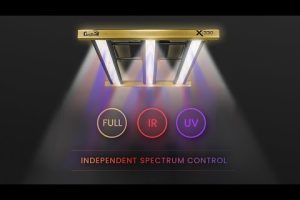
- Consider Dimming and Tunability: Advanced full spectrum fixtures allow you to adjust intensity and spectrum remotely, giving you precise control over the light environment.
- Assess Build Quality and Warranty: Look for fixtures with quality heat sinks, driver protection, and warranties of at least three to five years.
Expert Tips for Maximizing Full Spectrum LED Performance

Drawing from years of experience in photobiology and horticultural lighting, here are actionable recommendations:
- Match Light Intensity to the Species: Different plants require different PPFD levels. Research your target species’ light requirements before selecting wattage or the number of fixtures.
- Use Light Meters: A quantum sensor or PAR meter helps you verify that your full spectrum LED delivers uniform coverage across your growing area or workspace.
- Supplement with Reflective Surfaces: Mylar, white walls, or reflective grow tents maximize the effective light distribution from your full spectrum fixtures.
- Implement Photoperiod Controls: Programmable timers or smart controllers let you automate day/night cycles, ensuring plants and humans receive the right light duration at the right intensity.
- Keep Fixtures Clean: Dust accumulation on LED lenses reduces light output significantly. Regular cleaning maintains spectral accuracy and intensity.
Full Spectrum LED FAQs

What is the difference between full spectrum LED and broad spectrum LED? While the terms are sometimes used interchangeably, broad spectrum LEDs typically cover a wide range of visible wavelengths but may lack UV and infrared components. True full spectrum LEDs extend beyond visible light into the UV and IR ranges, providing a more complete replication of natural sunlight’s spectral output.
Can full spectrum LED grow lights replace sunlight for indoor plants? Yes, high-quality full spectrum LED grow lights can effectively replace sunlight for most indoor plants, provided they deliver adequate PPFD levels and the photoperiod is properly managed. This makes them ideal for year-round cultivation in any climate.
Are full spectrum LEDs safe for human eyes? Full spectrum LEDs designed for general and wellness lighting are safe for human exposure. However, fixtures that include high-output UV diodes should be used with appropriate shielding and caution, particularly in horticultural settings where prolonged direct exposure is possible.
How long do full spectrum LED lights last? Most commercial-grade full spectrum LED systems maintain over 90% of their initial light output for 50,000 hours or more. The diodes degrade gradually rather than burning out abruptly, ensuring consistent performance over many years.
Do full spectrum LEDs help with seasonal affective disorder? Yes, full spectrum lights that simulate natural daylight — particularly those with balanced blue wavelengths in the 460–490 nm range — are commonly used in SAD treatment lamps. They help regulate melatonin production and support healthy mood and sleep patterns during darker months.
Is a higher CRI always better for full spectrum LEDs? Generally yes. A CRI of 90 or above indicates excellent color fidelity, while ratings of 95 and above are considered outstanding. However, CRI is only one metric. For horticultural applications, spectral coverage in the PAR range matters more than CRI alone.
Conclusion
Full spectrum LED technology represents a significant leap forward in artificial lighting, bridging the gap between the convenience of electric light and the biological benefits of natural sunlight. From accelerating plant growth and boosting crop yields to supporting human circadian health and delivering stunning color accuracy, the applications of full spectrum LEDs are vast and growing. By understanding the spectral science, evaluating key metrics like CRI, PPFD, and SPD, and choosing systems that match your specific needs, you can unlock the full potential of this technology. Whether you are setting up a home grow room, upgrading a commercial greenhouse, or simply looking for healthier indoor lighting, investing in quality full spectrum LEDs is one of the most impactful decisions you can make.