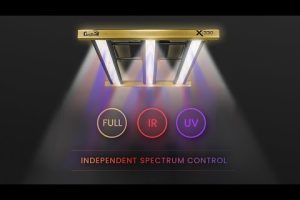
If you have been exploring the world of indoor lighting, you have likely stumbled across the term “full spectrum LED lamp” and wondered what all the fuss is about. Unlike standard LED bulbs that emit a narrow band of light wavelengths, a full spectrum LED lamp is engineered to replicate the natural light output of the sun — covering ultraviolet, visible, and infrared wavelengths across the entire color temperature range. Whether you are a photographer looking for accurate color rendering, a plant enthusiast trying to keep your indoor garden thriving, or simply someone who wants better light for your mental health and daily productivity, understanding full spectrum LED technology is essential. This comprehensive guide dives deep into what full spectrum LED lamps are, how they work, the benefits they offer, and how to choose the best one for your specific needs.
What Is a Full Spectrum LED Lamp?
A full spectrum LED lamp is a lighting fixture that produces a continuous distribution of wavelengths across the electromagnetic spectrum, closely mimicking natural daylight. The term “full spectrum” refers to the lamp’s ability to emit light across all visible colors — from red through orange, yellow, green, blue, indigo, and violet — without significant gaps. This is fundamentally different from conventional LED bulbs, which often spike heavily in certain wavelengths and fall flat in others. A true full spectrum LED lamp achieves a high Color Rendering Index, typically rated 95 CRI or above, meaning it reveals the true colors of objects just as sunlight would. Many premium models also extend into near-ultraviolet and near-infrared ranges, broadening their usefulness for specialized applications like horticulture and art restoration.
How Full Spectrum LED Lamps Work
Understanding the inner workings of a full spectrum LED lamp helps you appreciate why it outperforms standard lighting options. Most full spectrum LED chips use a combination of blue LED dies coated with phosphor materials that convert a portion of that blue light into broader wavelengths. Advanced manufacturers layer multiple phosphor formulations to fill in spectral gaps, producing a smooth, continuous output that closely resembles sunlight. Some high-end models incorporate dedicated red, green, and amber LED chips alongside the blue-phosphor system, allowing for even finer control over the spectral profile.
The Science Behind Full Spectrum Light
Natural sunlight contains a balanced mix of wavelengths that our eyes and biological systems evolved to respond to. When you introduce a full spectrum LED lamp into your environment, you are essentially providing light that your body recognizes as natural. This matters because light wavelengths directly influence circadian rhythms, hormone production, and alertness. Blue wavelengths around 480 nanometers suppress melatonin and boost alertness, while warmer red and amber wavelengths promote relaxation. A well-designed full spectrum lamp delivers all of these wavelengths in the right proportions, creating an environment that supports both visual clarity and physiological well-being.
Key Benefits of Full Spectrum LED Lamps
The advantages of switching to a full spectrum LED lamp extend far beyond simply replacing an old bulb. Here is a detailed look at the most impactful benefits:
Health and Wellness Benefits
- Circadian rhythm support: Full spectrum lighting helps regulate your sleep-wake cycle, particularly beneficial for people who work night shifts or live in regions with limited daylight during winter months.
- Reduced eye strain: Because full spectrum light distributes energy evenly across wavelengths, it reduces the harshness that narrow-band LEDs can cause, leading to less fatigue during extended reading or screen work.
- Mood enhancement: Research shows that exposure to full spectrum daylight-mimicking light can help alleviate symptoms of Seasonal Affective Disorder and improve overall mood.
- Improved Vitamin D synthesis: Some full spectrum LED lamps include UV-A and UV-B wavelengths that support limited Vitamin D production, though they should not replace natural sunlight exposure entirely.
Productivity and Focus Benefits

- Enhanced concentration: Studies conducted in office environments have found that full spectrum lighting improves alertness and cognitive performance compared to standard fluorescent lighting.
- Accurate color perception: Artists, designers, and photographers rely on full spectrum lamps to see true-to-life colors, reducing errors in creative work.
- Reduced headaches: Many users report fewer tension headaches and migraines when working under full spectrum LED light, likely because the smooth spectral output eliminates the flicker and harsh contrast associated with cheaper lighting technologies.
Full Spectrum LED Lamp vs. Traditional Lighting
To understand why full spectrum LED lamps represent a significant upgrade, it helps to compare them directly against the lighting technologies they are replacing.
| Feature | Full Spectrum LED Lamp | Standard LED Bulb | Fluorescent Tube | Incandescent Bulb |
| Color Rendering Index (CRI) | 95–98 | 80–85 | 70–85 | 100 |
| Spectral Coverage | Continuous, near-sunlike | Spiky, narrow bands | Gaps in red and blue | Continuous but warm-heavy |
| Energy Efficiency | Very high | High | Moderate | Low |
| Lifespan (hours) | 25,000–50,000 | 15,000–25,000 | 10,000–20,000 | 1,000–2,000 |
| Heat Output | Low | Low | Moderate | Very high |
| UV Emission | Minimal to none (unless designed) | Minimal | Some UV leakage | Trace amounts |
| Dimmability | Typically yes | Often yes | Limited | Yes |
As the comparison table illustrates, full spectrum LED lamps combine the energy efficiency and longevity of modern LED technology with a spectral quality that was previously only achievable through incandescent or halogen sources — without the associated heat waste and energy loss.
How to Choose the Right Full Spectrum LED Lamp

Not all full spectrum LED lamps are created equal, and selecting the right one requires attention to several technical specifications.
Key Specifications to Consider
- Color Rendering Index (CRI): Look for a CRI of 95 or higher. A lamp with a CRI of 90 is decent, but anything below that will begin to distort certain colors, particularly reds and skin tones.
- Correlated Color Temperature (CCT): Full spectrum lamps typically range from 2700K (warm white) to 6500K (daylight). Choose 4000K–5000K for a balanced neutral-to-cool option that works well in offices and studios.
- Flicker-Free Operation: Check for flicker-free certification or DC-driven LED drivers, which eliminate the subtle pulsing that can cause eye fatigue and headaches over long periods.
- Beam Angle: Wider beam angles (90 degrees or more) provide more even illumination across a room, while narrower beams are better for task lighting on desks or workbenches.
- Dimmability: Ensure the lamp is compatible with your existing dimmer switches or smart home systems if adjustable brightness matters to you.
- Certifications: Look for ENERGY STAR certification, IEC safety standards, or relevant regional certifications to ensure quality and reliability.
Top Applications of Full Spectrum LED Lamps
Full spectrum LED lamps are remarkably versatile. Here are the most common and impactful use cases:
- Indoor gardening and horticulture: Plants rely on specific wavelengths for photosynthesis, and full spectrum LED grow lights provide the complete range of blue (for vegetative growth) and red (for flowering) light that plants need. Many gardeners prefer full spectrum options because they can observe their plants’ true colors and detect health issues more easily than under monochrome grow lights.
- Home offices and study spaces: Workers and students benefit from the balanced, natural-like illumination that reduces eye strain during long hours of reading, writing, or screen-based work.
- Art studios and photography: Accurate color rendering is non-negotiable in creative environments. Full spectrum LED lamps ensure that paintings, photographs, and color-critical work are viewed under light that does not introduce bias.
- Retail and display lighting: Stores use full spectrum lighting to make products appear as they would under natural conditions, improving the shopping experience and reducing product returns caused by color misrepresentation.
- Health and wellness spaces: Light therapy boxes and dawn-simulating alarm clocks often use full spectrum LED technology to support mental health and wakefulness routines.
Common Myths About Full Spectrum Lighting
Myth 1: “Full spectrum means the lamp produces actual ultraviolet radiation.” Most consumer-grade full spectrum LED lamps emit negligible UV. They mimic the spectral distribution of sunlight without the harmful UV exposure levels. Only specialized horticultural or therapeutic lamps include meaningful UV output.
Myth 2: “Any LED labeled ‘daylight’ is full spectrum.” This is incorrect. Many daylight LEDs are simply blue-heavy with a spiky spectral output. True full spectrum lamps explicitly advertise high CRI ratings and continuous wavelength distribution.
Myth 3: “Full spectrum LED lamps are expensive.” While premium models command higher prices, the cost of full spectrum LED technology has dropped significantly. Entry-level full spectrum options are now competitively priced with standard LED bulbs, making them accessible for most budgets.
Expert Tips for Maximizing Your Full Spectrum LED Lamp
- Position your lamp at a height and angle that provides even coverage without direct glare into your eyes. A 30-degree downward angle is often ideal for desk and task lighting.
- Pair your full spectrum LED lamp with ambient background lighting to reduce contrast and create a more comfortable visual environment.
- Use smart plugs or scheduling features to adjust the lamp’s usage throughout the day — brighter, cooler tones in the morning and warmer tones in the evening to support your natural circadian rhythm.
- Clean the lamp housing regularly. Dust accumulation on LED diffusers can reduce light output and alter the color temperature slightly, diminishing the full spectrum effect.
- When shopping, read independent reviews and look for spectrophotometric data if available. A lamp that provides a spectral power distribution chart offers full transparency about its light output.
Frequently Asked Questions (FAQs)
What is the difference between full spectrum LED and daylight LED? A daylight LED typically refers to any LED with a cool white color temperature around 5000K–6500K, but it does not guarantee continuous spectral coverage. A full spectrum LED lamp, on the other hand, is specifically engineered to emit across the entire visible wavelength range with minimal gaps, resulting in superior color rendering and a more natural light quality.
Can a full spectrum LED lamp help with Seasonal Affective Disorder? Yes. Full spectrum LED lamps that emit 10,000 lux at a comfortable viewing distance can be effective for SAD light therapy. Look for lamps specifically designed for therapeutic use with a high CRI and UV-filtered output to ensure safety.
Are full spectrum LED lamps safe for pets? Generally yes. Full spectrum LED lamps do not emit harmful levels of UV radiation and produce minimal heat, making them safe for household animals. However, pets with eye sensitivities should not be exposed to very bright LED lights for prolonged periods.
How long do full spectrum LED lamps last? Most high-quality full spectrum LED lamps have rated lifespans between 25,000 and 50,000 hours. This translates to roughly 10–20 years of typical household use, depending on daily hours of operation and quality of the internal driver components.
Do I need a full spectrum lamp for my indoor plants? While plants can survive under standard grow lights, full spectrum LED lamps promote healthier growth because they provide the complete range of wavelengths needed for photosynthesis and photomorphogenesis. If you care about observing your plants’ true leaf colors and ensuring balanced development, a full spectrum lamp is the best choice.
What CRI rating should I look for in a full spectrum LED lamp? Aim for a CRI of 95 or above for the best color accuracy. Lamps rated 90–95 are good for general use, but anyone doing color-critical work should prioritize models with 97+ CRI ratings to ensure virtually no color distortion.
Conclusion
A full spectrum LED lamp is far more than a simple lighting upgrade — it is a deliberate investment in your health, productivity, and visual environment. By replicating the balanced, continuous wavelengths of natural sunlight, these lamps deliver benefits that span from improved circadian health and reduced eye strain to accurate color rendering and thriving indoor plants. With prices becoming increasingly competitive and a wide range of options available for every use case, there has never been a better time to make the switch. Whether you are outfitting a home office, setting up an indoor garden, or upgrading your studio lighting, choosing a high-quality full spectrum LED lamp ensures that your space is illuminated the way nature intended.