When you think about transforming the look and feel of your outdoor space, lighting often comes last. Yet a well-placed garden solar lamp can do more than just illuminate your pathways—it can elevate your entire yard’s aesthetic, improve safety, and even increase your property’s curb appeal. Unlike traditional outdoor lighting that requires wiring, electrical outlets, or hefty energy bills, solar-powered garden lamps harness the sun’s energy during the day and release it as warm, inviting light after dark. Whether you are a first-time homeowner looking for a simple setup or a seasoned landscaper exploring advanced solar lighting designs, this guide covers everything you need to know about choosing, installing, and maintaining the best garden solar lights for your outdoor space.
What Is a Garden Solar Lamp and How Does It Work?
A garden solar lamp is a self-contained outdoor lighting fixture powered entirely by sunlight. Each unit typically includes a photovoltaic panel, a rechargeable battery, an LED light source, and a weather-resistant housing. During daylight hours, the solar panel absorbs photons and converts them into electrical energy, which is stored in an internal lithium-ion or NiMH battery. As ambient light diminishes in the evening, a built-in photoresistor or dusk-to-dawn sensor triggers the LED to illuminate automatically.
This self-sustaining cycle means you never have to worry about plugging in a cord, replacing batteries frequently, or running up your electricity bill. Modern solar garden lamps have come a long way from the dim, unreliable models of the past. Today’s units deliver impressive brightness, longer run times, and sleek designs that complement any garden style—from minimalist contemporary to rustic cottage.
Types of Garden Solar Lamps You Should Know
Not all solar outdoor lights are created equal. The market offers several distinct categories, each designed for specific purposes and placement scenarios. Understanding these types helps you make smarter purchasing decisions.
1. Solar Pathway Lights
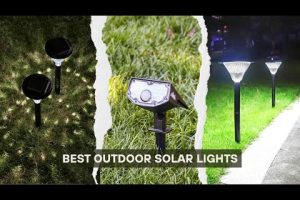
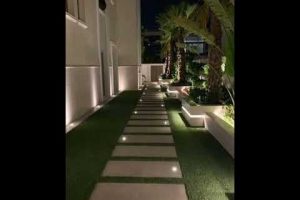
These are the most popular garden solar lamps and for good reason. Pathway lights are short-stake fixtures designed to line walkways, garden borders, and driveways. They typically emit a soft, downward-facing glow that guides foot traffic safely through your yard at night. Most models feature a stake base that pushes easily into soil or grass.
2. Solar Spotlights and Floodlights
For highlighting architectural features, trees, or garden sculptures, solar spotlights deliver a focused, intense beam. Solar floodlights provide a wider spread, making them ideal for illuminating larger areas like patios or garages. These units often come with adjustable heads so you can direct the light precisely where you need it.
3. Solar String Lights
Often called fairy lights or bistro lights, solar string lights drape beautifully across pergolas, fences, and tree branches. They create a warm, ambient atmosphere perfect for outdoor entertaining. Many solar string light sets include multiple LEDs on a flexible wire with a central solar panel hub.
4. Solar Lanterns and Stake Torches
These decorative fixtures blend functionality with ambiance. Solar lanterns sit on tables or hang from hooks, while stake torches mimic the look of traditional flame torches without the fire hazard. They are excellent choices for creating a cozy outdoor dining or lounging area.
Key Features to Consider When Buying a Garden Solar Lamp

Shopping for the right solar garden lamp can feel overwhelming given the sheer number of options available. Here are the most important specifications and features to evaluate before you buy.
- Solar Panel Efficiency: Monocrystalline panels convert sunlight to energy more efficiently than polycrystalline or thin-film alternatives. Look for panels rated at least 15-20% efficiency for reliable charging.
- Battery Capacity: Measured in milliamp-hours (mAh), a higher battery capacity means longer runtime. For all-night illumination, aim for batteries of 1000 mAh or higher.
- LED Brightness (Lumens): Lumens measure the total light output. A pathway light might emit 20-50 lumens, while a solar spotlight can deliver 200 lumens or more depending on the model.
- Weather Resistance (IP Rating): An IP65 or IP67 rating ensures the lamp can withstand rain, dust, and temperature fluctuations without damage.
- Sensor Type: Dusk-to-dawn sensors provide automatic operation, while motion-activated sensors add security by triggering bright light when movement is detected.
- Design and Material: Choose durable materials like stainless steel, aluminum, or high-grade ABS plastic for longevity. The design should complement your garden’s overall theme.
Benefits of Choosing Solar-Powered Garden Lighting
The advantages of switching to solar garden lighting extend far beyond simply saving money on your electricity bill. Here is a closer look at why homeowners and landscape designers increasingly prefer solar-powered solutions.
- Energy Independence: Solar lamps operate off the grid, which means no wiring, no electrician fees, and no dependency on household power supplies. This makes them ideal for remote garden areas or backyard sheds.
- Environmental Sustainability: By using renewable solar energy, you reduce your carbon footprint and contribute to a cleaner environment. LEDs themselves are already energy-efficient, and pairing them with solar power amplifies the eco-friendly benefit.
- Easy Installation: Most solar garden lamps require no tools or technical skills. Simply stake them into the ground, position the solar panel toward direct sunlight, and they are ready to work.
- Low Maintenance: With no wiring to manage and batteries that recharge daily, maintenance is minimal. Occasional cleaning of the solar panel and periodic battery replacement (usually every 1-2 years) keeps everything running smoothly.
- Enhanced Safety and Security: Well-lit gardens reduce tripping hazards on walkways and steps. Motion-activated solar spotlights also deter trespassers and nocturnal wildlife from entering your property.
- Versatile Design Options: Today’s solar outdoor lights come in countless styles, colors, and finishes. Whether your taste leans toward modern, vintage, industrial, or boho, there is a solar lamp to match.
Tips for Maximizing the Performance of Your Garden Solar Lights
Even the best garden solar lamp will underperform if it is not placed or maintained correctly. Follow these expert tips to get the most out of your solar lighting system.
Position Solar Panels for Maximum Sun Exposure
Place the solar panel or the unit itself in a spot that receives at least 6-8 hours of direct sunlight daily. Shaded areas from trees, fences, or buildings will drastically reduce charging efficiency and shorten nighttime runtime.
Keep Solar Panels Clean
Dust, pollen, bird droppings, and snow can accumulate on the solar panel surface and block sunlight absorption. Wipe the panel gently with a damp cloth every few weeks, especially after storms or during pollen season.

Turn Off During Extended Non-Use
If you plan to store your solar lamps during winter or extended periods of non-use, switch them off and store them in a cool, dry place. This preserves battery health and prevents unnecessary drain.
Use Reflective Surfaces to Amplify Light
Placing your solar garden lamp near light-colored walls, stones, or water features can help diffuse and amplify the light output, making your garden appear brighter and more spacious.
Comparison: Popular Garden Solar Lamp Categories

Below is a quick comparison of the most common solar lamp types to help you decide which best suits your garden’s needs.
| Feature | Pathway Lights | Spotlights | String Lights | Lanterns |
| Typical Brightness | 20-50 lumens | 100-300 lumens | 5-15 lumens per bulb | 10-30 lumens |
| Runtime | 8-12 hours | 6-10 hours | 6-10 hours | 8-14 hours |
| Best Placement | Walkways, borders | Trees, walls, features | Pergolas, fences, trees | Tables, shelves, hooks |
| Ease of Installation | Very easy | Easy | Easy | Very easy |
| Price Range | $10-$30 each | $20-$60 each | $15-$40 per set | $15-$35 each |
Common Mistakes to Avoid When Installing Garden Solar Lights
Even experienced DIYers sometimes make avoidable errors when setting up their outdoor solar lamp systems. Here are the most common pitfalls and how to steer clear of them.
- Placing lights too close together: This creates uneven lighting and drains batteries faster. Space pathway lights about 6-8 feet apart for balanced illumination.
- Ignoring seasonal sun angles: In winter, the sun sits lower on the horizon. Adjust the angle of your solar panels accordingly to capture maximum light.
- Overlooking battery replacement: Built-in batteries degrade over time. If your solar lamp runs for only 2-3 hours instead of 8+, it is time to replace the battery.
- Buying based on looks alone: Attractive design means nothing if the lamp has poor build quality or weak LEDs. Always check reviews, lumens, and IP ratings before purchasing.
Final Thoughts on Garden Solar Lamps
Garden solar lamps represent one of the smartest investments you can make for your outdoor space. They combine functionality, sustainability, and beauty in a single, maintenance-friendly package. From softly glowing pathway lights that guide you through your garden at dusk to bold solar spotlights that highlight your favorite landscape features, the options are virtually limitless. By choosing high-quality units with efficient panels, reliable batteries, and weatherproof construction, you can enjoy beautifully lit outdoor spaces year after year without increasing your energy consumption or carbon footprint. Start small with a few pathway lights, experiment with placement, and gradually expand your solar lighting setup to create the garden of your dreams—one that shines just as brightly at night as it does during the day.
Frequently Asked Questions About Garden Solar Lamps
How long do garden solar lamps last on a single charge?
The runtime of a garden solar lamp depends on battery capacity, LED efficiency, and the amount of sunlight the solar panel receives during the day. Most quality solar pathway lights last between 8 and 12 hours on a full charge, while brighter spotlights may run for 6-10 hours. Models with larger battery capacities and high-efficiency monocrystalline panels tend to offer the longest runtime per charge cycle.
Can garden solar lamps work on cloudy or rainy days?
Yes, but with reduced charging efficiency. Solar panels can still capture diffused sunlight on overcast days, though the charging process takes longer and the battery may not reach full capacity. On heavily overcast days, expect a slight reduction in nighttime brightness and runtime. High-quality solar lamps with larger panels and advanced battery management systems handle cloudy conditions much better than budget models.
What is the average lifespan of a solar garden lamp?
With proper care and maintenance, a well-built garden solar lamp can last between 2 and 5 years. The LED bulb typically outlasts the rechargeable battery, which is the component most likely to degrade. Replacing the internal battery is often a simple and affordable way to extend the life of your solar lamp significantly.
Are solar garden lamps waterproof enough for all weather conditions?
Most quality solar garden lamps carry an IP65 or IP67 waterproof rating, which means they are fully protected against rain, dust, and low-pressure water jets. However, during extreme winter conditions with heavy snow accumulation or freezing temperatures, it is wise to bring portable units indoors or temporarily switch them off. Consistent exposure to sub-zero temperatures can reduce battery performance and shorten overall lifespan.
How do I make my garden solar lamp brighter?
To maximize brightness, ensure the solar panel receives unobstructed, direct sunlight for at least 6-8 hours daily. Clean the panel surface regularly to remove dirt and debris. Choose lamps with higher lumen ratings for brighter output, and position lights strategically to avoid placing them in shaded areas. If your lamp uses replaceable batteries, upgrading to a higher-capacity battery can also improve overall performance and light output.