Garden light design has evolved far beyond simply lining a walkway with basic post lamps. Today’s outdoor illumination transforms backyards into layered experiences—combining safety, ambiance, and architectural storytelling. Whether you are refreshing a small urban courtyard or illuminating a sprawling estate garden, understanding the principles behind effective garden lighting can elevate your property’s value, usability, and visual appeal by leaps and bounds. This guide breaks down everything you need to know about selecting, installing, and optimizing outdoor garden lights for any space and skill level.
Why Garden Lights Are Essential for Any Outdoor Space
Outdoor lighting does more than make your garden visible after dark. It extends your living space into the yard, highlights landscaping features, and creates a sense of security that deters intruders. Studies in residential design consistently show that well-lit exteriors increase curb appeal and can add measurable value to a home. Beyond aesthetics, garden lights serve a functional role—preventing trips on uneven paths, illuminating steps, and guiding movement through the yard safely at night.
For homeowners new to outdoor lighting, the variety of available options can feel overwhelming. Solar-powered stake lights, low-voltage LED systems, hardwired fixtures, and smart-enabled spotlights each serve different purposes. Understanding what each type offers is the first step toward building a cohesive lighting plan.
Types of Garden Lights and When to Use Them
1. Solar Garden Lights
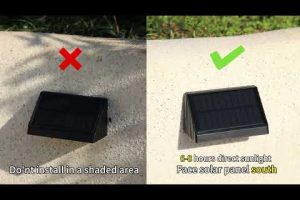
Solar-powered garden lights have surged in popularity because they require no wiring and minimal maintenance. These fixtures charge during the day using a small photovoltaic panel and illuminate automatically at dusk. They are ideal for accenting flower beds, lining garden borders, and adding subtle glow to pathways. The main limitation is brightness—solar lights generally produce less lumen output than hardwired alternatives, so they work best as ambient or decorative accents rather than task lighting.
2. Low-Voltage LED Garden Lights
A low-voltage system (typically 12V) uses a transformer to step down household power and deliver safe, energy-efficient illumination across your garden. LED landscape lights are the gold standard for homeowners who want reliable, long-lasting performance with minimal energy consumption. These systems support spotlights, well lights, string lights, and path lights, giving you flexibility to create layered effects. Installation requires basic electrical knowledge and a transformer, but the payoff in durability and light quality is significant.
3. Hardwired or Line-Voltage Garden Lights
For permanent, high-intensity installations, line-voltage (120V) fixtures offer the brightest output. These are commonly used for flood lighting, large patio areas, and architectural highlighting. However, they require professional electrical work and conduit running, making them a more expensive upfront investment. They are best suited for homeowners building or fully renovating their outdoor space.
4. Smart and App-Controlled Garden Lights
The newest category in garden lighting integrates Wi-Fi or Bluetooth connectivity, allowing you to adjust brightness, change color temperature, and set automated schedules from a smartphone app. Brands like Philips Hue, Lithonia, and Ring offer smart outdoor fixtures that respond to voice commands and integrate with home automation ecosystems. These are excellent choices for tech-savvy homeowners who want dynamic, customizable lighting scenes.
Choosing the Right Garden Light for Your Space
Selecting the best garden light depends on several factors: the size of your yard, the purpose of the light, your electrical setup, and your aesthetic preferences. The table below compares the most common types across key criteria to help you decide.
| Light Type | Brightness | Installation | Energy Source | Best Use Case |
|---|---|---|---|---|
| Solar Stake Lights | Low to Medium | Easy (no wiring) | Solar | Pathways, borders, accents |
| Low-Voltage LED | Medium to High | Moderate | Transformer | Path lights, spotlights, well lights |
| Line-Voltage Hardwired | High | Complex (professional) | AC Power | Flood lighting, large patios |
| Smart Garden Lights | Variable | Moderate | AC/Solar/USB | Accent, ambiance, automation |
| String Lights | Low to Medium | Easy to Moderate | AC/Solar | Pergolas, patios, gathering areas |
A critical specification to check is the color temperature, measured in Kelvin (K). Warm white (2700K–3000K) creates a cozy, inviting atmosphere ideal for entertaining and relaxation. Cool white (4000K–5000K) provides crisp, clear light suitable for task areas like grilling stations or security zones. Most landscape designers recommend a warm tone for the main garden areas to maintain a natural, inviting feel after sunset.
Installation Tips and Expert Recommendations

Whether you are a DIY enthusiast or planning to hire a professional, following proven installation practices ensures your garden lighting system performs beautifully for years.
- Start with a lighting plan on paper. Sketch your garden layout and mark focal points—trees, water features, architectural walls, and pathways. Decide which areas need safety lighting versus decorative accents.
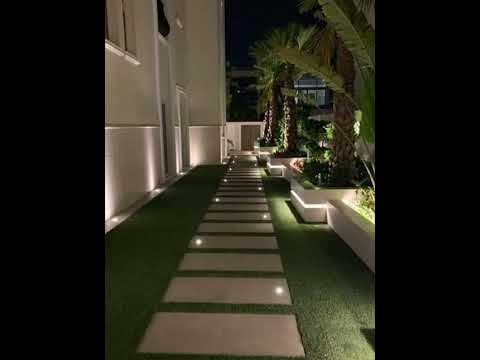
- Layer your light heights. Combine ground-level fixtures (in-ground well lights), mid-level fixtures (path lights and bollards), and elevated fixtures (uplights on trees or walls) to create depth and visual interest.
- Use a transformer rated for your total wattage. Always choose a transformer with at least 20% extra capacity beyond your current load to allow for future additions.
- Position uplights at ground level, angled upward. This technique washes tree trunks and architectural facades with dramatic, shadow-free light.
- Avoid over-lighting. Too many fixtures create glare and wash out the natural beauty of your garden. Less is often more—focus on key focal points and let darkness create contrast.
- Use outdoor-rated cables and connectors. Even low-voltage systems must use UV-resistant, weatherproof wiring rated for direct burial if cables run underground.
- Test before finalizing placement. Run the system temporarily and observe the lighting effects at different times of evening before committing to permanent positions.
Design Principles for Stunning Outdoor Lighting
Create Focal Points

Every successful garden lighting design has at least one focal point—a mature oak tree, a stone fountain, a textured retaining wall, or a distinctive sculpture. Direct a spotlight or well light at this feature to draw the eye and anchor the visual composition of your nighttime landscape.
Use Light and Shadow Intentionally
Contrast is the secret weapon of professional lighting design. Bright pools of light next to dark, unlit areas create drama and depth. Avoid the common mistake of lighting everything evenly—this flattens the garden and eliminates all sense of mystery and texture.
Consider Light Pollution and Neighbors
Directional fixtures with shields aim light downward where it belongs, reducing glare and light trespass onto neighboring properties. This is not only courteous but also aligns with dark-sky initiatives and local outdoor lighting ordinances in many municipalities.
Seasonal Adjustments
As your garden evolves through the seasons, your lighting needs change too. Spring and summer bring lush foliage that absorbs light, while autumn and winter reveal more structural elements. Adjustable fixtures or dimmable systems let you adapt your lighting scene throughout the year.
FAQs About Garden Lighting
What is the best type of garden light for a beginner? Solar stake lights and plug-and-play low-voltage LED kits are the best starting points for beginners. They require no electrical wiring knowledge, can be repositioned easily, and deliver satisfactory results for most small to medium gardens.
How many lumens should garden path lights have? Most landscape designers recommend path lights between 100 and 200 lumens per fixture. This provides enough illumination to guide movement safely without creating harsh glare that disrupts the ambient atmosphere of your garden.
Can I mix different types of garden lights in one system? Yes, mixing fixture types is a hallmark of professional lighting design. Combining path lights, uplights, and string lights within the same low-voltage system creates a layered, dynamic outdoor environment that serves both functional and decorative purposes.
How long do solar garden lights last before needing replacement? Quality solar garden lights typically last between two and four years before the battery or LED degrades noticeably. Choosing fixtures with replaceable batteries and high-grade lithium cells significantly extends the lifespan of your solar lighting setup.
Do smart garden lights work without Wi-Fi? Most smart garden lights retain basic on/off functionality and scheduled automation even if Wi-Fi drops, since they store routines locally. However, real-time remote control, voice commands, and scene customization require an active internet connection.
What is the cost of installing a garden lighting system? A DIY low-voltage garden lighting kit for a typical residential yard ranges from $200 to $800 depending on the number of fixtures and transformer size. Professional installation costs typically run $1,000 to $3,500 for a full-property system, varying by landscape complexity and regional labor rates.
Conclusion
Garden light design is one of the most impactful investments a homeowner can make in their outdoor living experience. The right combination of fixture types, placement strategies, and control technology turns an ordinary backyard into a beautifully illuminated extension of your home. Whether you start with a simple solar path light setup or commit to a full low-voltage system with smart controls, the principles remain the same: layer your light, highlight your focal points, and let darkness do the heavy lifting. With careful planning and thoughtful execution, your garden will shine long after the sun goes down.