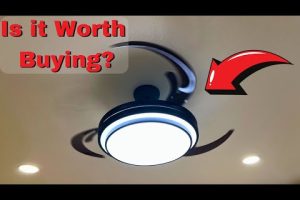
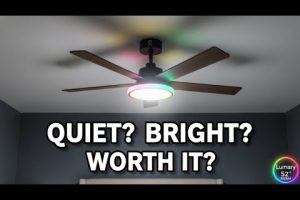
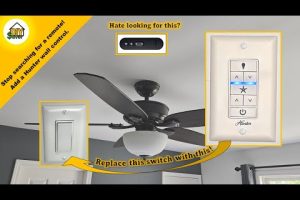
A ceiling fan with LED lighting has become one of the most practical and transformative upgrades homeowners can make to their living spaces. Unlike traditional setups where a fan and light are separate appliances, a ceiling fan with LED lighting combines two essential functions into a single, streamlined fixture. This integration not only saves space but also dramatically improves the energy efficiency and aesthetic appeal of any room. Whether you are remodeling a bedroom, upgrading a living room, or refreshing a commercial space, understanding what makes a premium LED ceiling fan with light kit is critical to making the right purchase decision. This guide covers everything from core features and energy savings to installation tips and expert recommendations.
Why Ceiling Fans with LED Lighting Are a Smart Investment
The days of relying on a clunky light fixture bolted awkwardly beneath a fan are long gone. Modern ceiling fans with integrated LED lights are engineered from the ground up to deliver superior airflow, ambient illumination, and long-term durability. The LED technology used in these fixtures consumes up to 75% less energy than traditional incandescent bulbs and lasts tens of thousands of hours without replacement. This means lower electricity bills and virtually zero maintenance for years.
Beyond energy savings, a ceiling fan with LED light combo enhances the overall mood of a room. Many models now offer warm, dimmable LED output that mimics the soft glow of incandescent lighting, making them ideal for bedrooms, dining rooms, and living areas where atmosphere matters. The combination of gentle airflow and adjustable lighting creates a layered comfort that no single-appliance setup can replicate.
Key Benefits at a Glance
- Significant reduction in energy consumption compared to traditional fan-and-light setups
- Integrated design saves ceiling space and reduces visual clutter
- Dimmable LED options allow for customizable ambiance
- Longer lifespan means fewer bulb replacements
- Modern designs available in countless styles, from industrial to farmhouse
- Remote control and smart home compatibility are now standard in many models
Key Features to Look For When Buying a Ceiling Fan with LED Light
Not all LED ceiling fans with lighting are created equal. The market is saturated with options ranging from budget-friendly units to premium designer fixtures, and the differences in quality can be substantial. When evaluating a ceiling fan with LED lighting, focus on these critical features.
LED Technology and Brightness
The LED module integrated into a quality fan should deliver consistent, flicker-free illumination. Look for fixtures rated in lumens rather than wattage. A modern ceiling fan with LED light should produce at least 800 lumens for adequate room brightness. Models with adjustable color temperature — shifting from warm 2700K to cool 5000K — offer the most versatility. The LED chips should be integrated rather than bulb-based, as integrated modules are sealed, more durable, and do not require separate replacements.
Fan Motor Quality and Speed Settings
The motor is the heart of any fan with LED light combination. Brushless DC motors have become the gold standard because they run quieter, last longer, and consume less power than traditional AC motors. A quality ceiling fan should offer at least three to six speed settings, allowing you to fine-tune airflow for different seasons and comfort levels. During summer, counterclockwise rotation creates a cooling downdraft, while clockwise rotation in winter pushes warm air down from the ceiling.
Noise Levels and Airflow Efficiency
Noise is a common complaint with cheaper fans. Premium ceiling fans with LED lighting use precision-balanced blades and advanced motor designs to operate at noise levels below 30 decibels — quieter than a whisper. Check the CFM (cubic feet per minute) rating to gauge airflow; a fan should deliver at least 4,000 CFM for a standard-sized room to be effective.
Types of Ceiling Fans with LED Lighting
Understanding the different categories of LED ceiling fan lights helps you narrow your search and find the right fit for your space.
- Standard Household Fans — These are the most common ceiling fan with LED light kit configurations, typically featuring 52-inch blades, integrated LED panels or diffusers, and simple pull-chain or remote controls. Ideal for bedrooms, hallways, and living rooms.
- Contemporary and Modern Fans — Sleek designs with flush mounts or low-profile installations. These modern ceiling fans with LED fixtures often feature minimalist blades, touch-sensitive controls, and smart home integration.
- Outdoor and Damp-Rated Fans — Designed for covered patios, porches, and sunrooms. These units come with weather-resistant housings and sealed LED modules that withstand humidity and temperature fluctuations.
- Industrial and Loft Fans — Characterized by metal construction, larger blade spans, and high-CFM performance. These fans pair industrial aesthetics with powerful LED illumination for large open spaces.
Energy Efficiency and Cost Savings
One of the most compelling reasons to choose a ceiling fan with LED lighting is the long-term cost savings. A standard incandescent light bulb consumes 60 watts, while an equivalent LED module in a fan uses only 8 to 12 watts. Over the course of a year, running a fan for eight hours per day can save approximately $30 to $50 in electricity costs compared to a traditional fan-and-bulb setup.

When you factor in that LED modules last 25,000 to 50,000 hours — meaning they could operate for over a decade without replacement — the total cost of ownership drops significantly. Many utility companies also offer rebates for purchasing energy efficient ceiling fan LED fixtures, adding further savings to the initial investment.
| Feature | Traditional Fan + Incandescent Bulb | Ceiling Fan with LED Lighting |
| Energy Consumption | 60-100W (light only) | 8-15W (integrated LED) |
| Bulb/Module Lifespan | 1,000 hours | 25,000-50,000 hours |
| Annual Electricity Cost | $40-$70 | $10-$25 |
| Maintenance Frequency | Annual bulb replacement | Virtually none |
| Dimmable Options | Requires compatible dimmer | Built-in dimming standard |
| Heat Output | High (wasted energy) | Minimal (cool to touch) |
Top Tips for Installation and Maintenance
Proper installation ensures your ceiling fan with LED lighting operates safely and efficiently for years. Here are expert recommendations:
- Use a ceiling fan-rated electrical box — standard light fixture boxes cannot support the weight and rotational force of a spinning fan. Always install a fan-rated brace box rated for at least 35 pounds.
- Check the ceiling height — the bottom of the fan should be at least 7 feet from the floor. For vaulted ceilings, use a downrod to achieve proper height clearance.
- Balance the blades — if you notice wobbling, use a balancing kit that comes with most fans. Even a small imbalance can cause noise and premature motor wear.
- Clean the LED housing periodically — dust accumulation on the LED diffuser reduces light output. A soft microfiber cloth is all you need; never use chemical cleaners on LED surfaces.
- Replace the remote control battery annually — this simple step prevents unexpected signal loss and keeps your ceiling fan with light and remote functioning smoothly.
Expert Recommendations
When selecting a best ceiling fan with LED light for your home, prioritize brands that offer integrated LED modules rather than replaceable bulbs. Brands like Hunter, Minka-Aire, Hampton Bay, and Modern Forms consistently deliver reliable performance, quiet operation, and attractive designs. For smart home users, look for models compatible with Amazon Alexa, Google Home, or Apple HomeKit, as these allow voice-controlled dimming, speed adjustments, and scheduling.
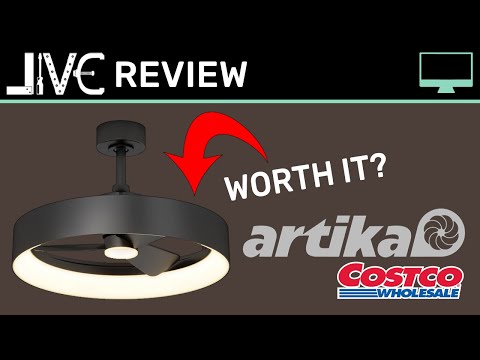
Consider the room size carefully. A fan with a 36-inch blade span is ideal for small rooms up to 100 square feet, while 52-inch and 56-inch models suit medium to large rooms. For oversized spaces exceeding 400 square feet, a 60-inch fan with high-CFM performance delivers the airflow you need. Matching the fan size to the room ensures optimal comfort and energy efficiency.
Conclusion
A ceiling fan with LED lighting is far more than a convenience — it is an investment in comfort, energy savings, and long-term home value. From the superior efficiency of integrated LED modules to the quiet power of brushless DC motors, today’s best fixtures combine form and function in ways that older fan-and-light setups simply cannot match. By understanding the key features, energy savings, and installation considerations outlined in this guide, you are well-equipped to choose a ceiling fan with LED light kit that will serve your home beautifully for decades.
Frequently Asked Questions
Can I Replace the LED Module in a Ceiling Fan with LED Lighting?
Most modern LED ceiling fans with lighting use integrated LED modules that are not user-replaceable. If the LED fails, it typically requires professional replacement of the entire light assembly. However, some models offer modular LED components designed for easy field replacement. Always check the manufacturer’s warranty and service policy before purchasing.
What Is the Best Color Temperature for a Ceiling Fan LED Light?
For residential living spaces, a color temperature of 2700K to 3000K produces a warm, inviting glow perfect for bedrooms and living rooms. For kitchens and bathrooms where task lighting matters, 3500K to 4000K offers a cleaner, more neutral light. Many premium ceiling fans with light and remote include adjustable color temperature settings, giving you full control over the ambiance.
Is It Hard to Install a Ceiling Fan with LED Light?
Installation complexity depends on your existing wiring and ceiling structure. If you have a ceiling fan-rated electrical box already in place, the process is manageable for someone with basic DIY skills. However, if you need to install a new electrical box or run wiring, it is strongly recommended to hire a licensed electrician to ensure safety and code compliance.
Do Ceiling Fans with LED Lighting Work with Smart Home Systems?
Many current models of smart ceiling fans with LED lighting are compatible with Alexa, Google Assistant, and Apple HomeKit. These smart fans allow you to control fan speed, light brightness, color temperature, and scheduling through voice commands or a smartphone app. Look for fans that include a built-in Wi-Fi receiver or work with a separate smart hub for full integration.
How Bright Should a Ceiling Fan LED Light Be?
For general room illumination, aim for a fan LED module producing between 800 and 1200 lumens. This range is equivalent to a traditional 60-75 watt incandescent bulb and provides comfortable, even lighting for rooms up to 200 square feet. For larger spaces or rooms where the fan is the primary light source, consider models with 1500 lumens or higher.
Can I Use a Ceiling Fan with LED Lighting in a Damp or Wet Location?
Yes, but only if the fan is rated for damp or wet use. Look for fixtures with a damp rating for covered outdoor areas like porches, and wet-rated models for uncovered patios or poolside installations. The LED lighting component in damp-rated fans is sealed to resist moisture, but the motor and housing must also be corrosion-resistant for longevity in these environments.