


Whether you are replacing a burnt-out brake light, a tail light, or a reversing lamp on your vehicle, the 1157 LED bulb has become one of the most popular aftermarket upgrades in the automotive lighting market today. This dual-filament bulb design, originally engineered for conventional incandescent applications, now comes in a wide range of LED-powered variants that deliver superior brightness, dramatically lower power draw, and exceptional longevity. If you have been searching for the best 1157 LED bulb for your car, truck, or SUV, this comprehensive guide covers everything you need to know — from technical specifications and compatibility considerations to expert buying tips and top product recommendations.
What Are 1157 LED Bulbs?
A 1157 LED bulb is a modern, semiconductor-based replacement for the traditional 1157 incandescent turn signal and brake light bulb. The original 1157 designation refers to a dual-filament design housed in a BA15d two-contact bayonet base, which allows a single bulb to serve multiple functions — typically as a brake light on one filament and a tail light or running light on the other. LED manufacturers have adapted this proven form factor by replacing the fragile tungsten filament with an array of high-efficiency light-emitting diodes, producing a brighter, cooler-burning, and significantly longer-lasting light source.
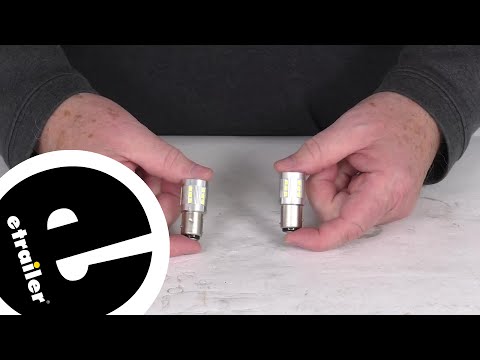
These bulbs are commonly found in domestic and import vehicles from manufacturers such as Ford, Chevrolet, Toyota, Honda, and many others where dual-function stop/tail lighting is required. When you shop for an 1157 LED bulb, you will encounter various color temperature options — from warm 3000K amber tones designed for OEM-style turn signals to crisp 6000K white LEDs ideal for brake and reverse lights.
Key Features and Specifications of 1157 LED Bulbs
Understanding the technical specifications of 1157 LED bulbs helps you make an informed purchase. Here are the most important factors to evaluate:
Lumen Output and Brightness
Lumen output is the primary measure of how bright a bulb appears to the human eye. Most quality 1157 LED bulbs range from approximately 500 lumens to over 1,000 lumens per filament, depending on the number and configuration of LEDs used. A higher lumen count translates to improved visibility for vehicles behind you, which directly enhances road safety during braking and signaling maneuvers.
Color Temperature
Color temperature, measured in Kelvin (K), determines the visual appearance of the light emitted. Amber or warm yellow LEDs around 3000K are ideal for front turn signals because they comply with DOT and ECE regulations in many jurisdictions. White LEDs in the 5000K–6500K range work well for rear brake lights and reverse lamps, giving your vehicle a modern, aggressive look.
Base Type and Socket Compatibility
The 1157 bulb uses a BA15d bayonet base with two contacts. Always verify that the replacement LED bulb matches this base configuration. Some bulbs are labeled as 1156 or 7506, which share the same bayonet base but differ in filament configuration. A 1157 to 1156 adapter or a dual-mode bulb can resolve compatibility issues if your vehicle uses only one filament function.
Power Draw and CAN-Bus Compatibility
LED bulbs draw far less wattage than their incandescent counterparts, typically consuming only 2 to 5 watts per filament compared to 21 to 26 watts for a standard 1157 bulb. This low power draw reduces strain on your vehicle’s electrical system. However, the reduced current can trigger a hyperflash warning on some older vehicles equipped with a flasher relay designed for incandescent loads. Vehicles with CAN-bus systems may also display error messages. Many premium 1157 LED bulbs include built-in resistors or decoder chips to eliminate these issues without requiring additional wiring.
1157 LED Bulbs vs. Traditional Halogen Bulbs

When deciding between an LED upgrade and a stock halogen bulb, the differences are substantial across multiple performance categories.
| Feature | 1157 LED Bulb | 1157 Halogen Bulb |
| Lumen Output | 500–1,200+ lm | 200–350 lm |
| Power Consumption | 2–5 watts | 21–26 watts |
| Lifespan | 30,000–50,000 hours | 1,000–2,500 hours |
| Response Time | Instant on | Slight warm-up delay |
| Heat Output | Low (heat sinks on base) | Very high (glass envelope) |
| Color Temperature Range | 3000K–6500K | Approximately 3,200K |
| Vibration Resistance | Excellent (solid-state) | Poor (filament sensitive) |
As the comparison table shows, 1157 LED bulbs outperform halogen bulbs in nearly every measurable category. The instant-on response time is particularly important for brake lights, where a fraction of a second can prevent a rear-end collision. The extended lifespan means you may never need to replace an LED bulb during the average ownership period of a vehicle.
How to Choose the Right 1157 LED Bulb
Selecting the ideal 1157 LED bulb requires more than simply picking the highest-rated product on a shelf. Here are the key criteria to guide your decision:
- Vehicle Compatibility — Always confirm that your vehicle uses the 1157 dual-filament socket. Check your owner’s manual or inspect the existing bulb for the 1157 marking on the plastic base.
- Legal Compliance — In many states and countries, forward-facing turn signals must emit amber light. Using a white LED in a front turn signal socket may result in a failed inspection or traffic citation. Choose the appropriate color temperature for each socket position.
- Thermal Management — Look for bulbs with an integrated aluminum heat sink or cooling fins on the base. Effective thermal dissipation prevents premature LED degradation and ensures consistent brightness over thousands of hours.
- Anti-Flicker Resistors — If your vehicle is prone to hyperflash or dashboard warning lights after an LED swap, select a 1157 LED bulb with a built-in load resistor or purchase a standalone CAN-bus decoder.
- Beam Pattern and Lens Focus — Some LED bulbs are engineered with a specific reflector or lens design to mimic the original halogen beam pattern, preventing glare for oncoming drivers and ensuring even illumination across the tail light assembly.
- Brand Reputation and Warranty — Reputable brands typically offer a 2-year to 5-year warranty and have established customer support channels. Brands like Sylvania, Philips, Socket Blitz, and Auxito are widely recognized in the aftermarket LED bulb community.
Common Applications for 1157 LED Bulbs
The 1157 bulb form factor serves a dual role in many vehicle lighting circuits. Common applications include:
- Stop/Tail Lights — The higher-wattage filament illuminates when you press the brake pedal, while the lower-wattage filament remains on during normal driving for tail visibility.
- Turn Signal Lights — Many vehicles route the 1157 bulb through the turn signal flasher, using the dual filaments for both steady-running light and flashing turn indication.
- Reverse Lights — Some trucks and SUVs use the 1157 socket for backup illumination, where a bright white LED improves visibility when reversing in dark driveways or parking lots.
- Side Marker and Clearance Lights — On larger vehicles, the 1157 base is occasionally used for side-mounted marker lights that indicate the vehicle’s width.
Installation Tips and Compatibility Considerations
Replacing a 1157 incandescent bulb with an LED version is straightforward in most vehicles, but a few tips will ensure a smooth installation:
- Disconnect the battery before starting any electrical work to avoid short circuits or blown fuses.
- Clean the bulb socket with a dry cloth to remove any corrosion or moisture that could interfere with electrical contact.
- Do not overtighten the new LED bulb. The bayonet base locks with a quarter-turn; forcing it can crack the socket or damage the LED housing.
- Test all functions after installation — brake light, tail light, and turn signal — before closing the lens or housing.
- If using an LED bulb without a built-in resistor and you experience hyperflashing, install an electronic flasher relay compatible with LED loads, or wire a resistor inline with the bulb’s positive lead.
Top Recommendations for 1157 LED Bulbs
Based on performance testing, user reviews, and long-term durability, several 1157 LED bulbs stand out in the current market. Bulbs featuring aluminum heat sinks, anti-flicker built-in resistors, and a wide 360-degree beam angle consistently receive top marks from automotive lighting enthusiasts. For turn signal applications, select an amber 1157 LED bulb to ensure legal compliance and a clean, OEM-like appearance. For rear brake and reverse lights, a 6000K white LED bulb delivers the most modern and impactful visual upgrade.
When shopping online, filter your search by BA15d base, dual filament LED, and your preferred lumen output. Reading verified customer reviews that specifically mention your vehicle make and model will save you from compatibility surprises and ensure a plug-and-play experience.
Frequently Asked Questions
Can I use a 1157 LED bulb for both front and rear lights? — Yes, as long as the socket type matches. However, always confirm your local regulations regarding front turn signal bulb color, since amber-only requirements apply in most regions.
Do 1157 LED bulbs require a resistor? — Some vehicles need an additional load resistor or CAN-bus decoder to prevent hyperflash and error messages, while many modern LED bulbs include integrated resistors that eliminate this need entirely.
How long do 1157 LED bulbs typically last? — High-quality 1157 LED bulbs have an average rated lifespan of 30,000 to 50,000 hours, which translates to roughly 10 to 15 years of typical daily driving before any degradation in light output becomes noticeable.
Will a 1157 LED bulb fit a 1156 socket? — Yes, the BA15d bayonet base is identical for both 1157 and 1156 bulbs. The difference lies in the filament configuration, so verify your vehicle’s wiring to ensure you select the correct dual-filament or single-filament variant.
Why is my 1157 LED bulb flickering after installation? — Flickering is almost always caused by an incompatible flasher relay or CAN-bus system that expects a higher current draw from an incandescent bulb. Installing a load resistor or switching to an LED-specific flasher relay resolves this issue quickly.
Conclusion
The 1157 LED bulb represents one of the simplest yet most impactful upgrades you can make to your vehicle’s lighting system. With dramatically improved brightness, a fraction of the power consumption, and a lifespan measured in decades rather than months, the return on investment is immediate and long-lasting. By understanding the specifications, compatibility requirements, and installation nuances covered in this guide, you can confidently select and install the perfect 1157 LED bulb for every dual-filament socket in your vehicle. Whether you are a weekend DIYer or a seasoned mechanic, upgrading to LED 1157 bulbs is a decision that enhances both safety and aesthetics every time you hit the road.