


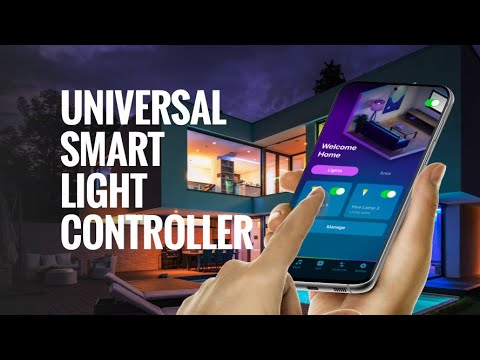
App controlled lights have completely transformed the way we think about illuminating our homes, offices, and even outdoor spaces. What once seemed like a futuristic concept reserved for tech enthusiasts has now become a mainstream lighting solution that millions of homeowners and renters embrace every single day. Whether you are looking to automate your daily routines, set the perfect ambiance for a dinner party, or simply turn off every light in the house without leaving the couch, smart lighting controlled through a dedicated application delivers unmatched convenience and flexibility. In this comprehensive guide, we will explore everything you need to know about app controlled lights, from the underlying technology and different types available, to practical buying advice and expert tips that will help you build a smarter, more efficient lighting ecosystem in your space.
What Are App Controlled Lights?
App controlled lights, also known as smart lights or connected lighting, are LED bulbs, fixtures, or lighting systems that can be managed remotely through a smartphone application or voice assistant integration. Unlike traditional lighting that relies on manual switches, these smart lighting solutions connect to your home network — typically via Wi-Fi, Bluetooth, Zigbee, or Z-Wave — allowing you to adjust brightness, color temperature, and even color output from virtually anywhere in the world. The app serves as the central command hub where you create schedules, scenes, and automations tailored to your lifestyle. Popular ecosystems that support app controlled lights include Apple HomeKit, Google Home, Amazon Alexa, and proprietary platforms like Philips Hue, LIFX, and Wyze.
How Do App Controlled Lights Work?
Understanding the technology behind app controlled lights helps you make smarter purchasing decisions and troubleshoot issues more effectively. At the core, these devices contain embedded wireless communication chips that connect to your home router or a dedicated smart home hub. The app on your phone sends commands over the internet or a local network to the light, which then executes the instruction — whether that is dimming to 30 percent, shifting to a warm amber tone, or turning completely off.
Wireless Protocols Behind Smart Lighting
Different app controlled lights use different communication protocols, and choosing the right one matters for reliability, range, and scalability:

- Wi-Fi: Direct connection to your home router. Easy to set up but can congest your network with many devices.
- Bluetooth: Short-range connection ideal for single-room setups. Limited range and no remote access without a hub.
- Zigbee: Low-power mesh network protocol. Requires a hub but supports hundreds of devices with excellent range and reliability.
- Z-Wave: Another mesh network protocol known for low interference and strong device compatibility.
- Thread: The newest protocol, gaining rapid adoption, offering IP-based mesh networking without a centralized hub dependency.
Key Benefits of App Controlled Lighting
Switching to app controlled lights is not just about novelty — there are tangible, measurable benefits that make the investment worthwhile for almost any household.
- Remote Control Anywhere: Forgot to turn off the living room lights? No problem. Open the app and shut them down from the office, the gym, or across the globe.
- Energy Efficiency: Smart bulbs and app controlled LED systems consume significantly less energy than traditional incandescent bulbs. Scheduling lights to turn off automatically when rooms are unoccupied reduces electricity bills by up to 25 percent according to energy studies.
- Customizable Ambiance: Adjust color temperature from cool daylight (ideal for focus and productivity) to warm candlelight (perfect for relaxation) with a single tap on your screen.
- Automation and Scenes: Create routines like “Morning Wake-Up” that gradually brighten lights over 15 minutes, or “Movie Night” that dims every light to 10 percent in the living room.
- Voice Assistant Integration: Pair your app controlled lights with Alexa, Google Assistant, or Siri for hands-free operation — a game changer for accessibility and convenience.
- Enhanced Security: Simulate occupancy while you are away by scheduling random lighting patterns, which deters potential intruders.
Types of App Controlled Lights Available
The smart lighting market has exploded with options, and understanding the different categories helps you narrow down the best fit for your specific needs.
Smart Bulbs
Smart bulbs are the most popular entry point into app controlled lighting. They screw directly into standard light sockets and replace your existing bulbs entirely. Leading options include the Philips Hue White and Color Ambiance, LIFX A19, and Wyze Bulb Color. Most smart bulbs are dimmable and offer millions of color options, making them ideal for bedrooms, living rooms, and accent lighting.
Smart Light Switches and Dimmer Modules
For those who prefer not to replace every bulb individually, smart switches and dimmer modules offer a whole-home approach. Devices like the Lutron Caseta or the Eve Light Switch replace your traditional wall switch, controlling any connected fixture automatically. This approach is more permanent and often requires some basic electrical wiring knowledge or professional installation.
Smart Light Strips and LED Tape

App controlled LED strips, such as the Philips Hue Lightstrip or Nanoleaf Shapes, provide decorative, modular lighting that can be mounted behind TVs, along crown molding, or under kitchen cabinets. These are highly popular for gaming setups, home theaters, and interior design accent lighting.
Outdoor and Garden Smart Lights
Weather-resistant app controlled lights designed for patios, gardens, and driveways are also widely available. Products from brands like Ring, Philips Hue Outdoor, and Mr. Beams offer motion-activated and schedule-based illumination for exterior spaces.
Comparison of Popular App Controlled Lighting Systems
| System | Protocol | Hub Required | Color Options | Price Range (per bulb) |
| Philips Hue | Zigbee | Yes | 16 million colors + white | $50 – $80 |
| LIFX | Wi-Fi | No | 16 million colors + white | $55 – $75 |
| Wyze Bulb | Wi-Fi | No | 16 million colors + white | $8 – $15 |
| Sengled Smart | Bluetooth / Zigbee | Sometimes | White and color | $12 – $25 |
| Govee LED Strip | Bluetooth / Wi-Fi | No | RGB plus white | $10 – $30 per strip |
| Lutron Caseta | Proprietary (Wi-Fi via bridge) | Yes | White (dimmable) | $40 – $60 per switch |
How to Choose the Right App Controlled Lights for Your Home
Selecting the right app controlled lighting setup depends on several factors that go beyond just aesthetics. Consider the following when building your smart lighting plan:
Ecosystem Compatibility: If you already use Amazon Alexa or Google Home, choose lights that integrate seamlessly with your preferred voice assistant. The Philips Hue ecosystem, for example, works with virtually every major smart home platform, while LIFX connects directly to Wi-Fi and supports both Alexa and Google Assistant natively.
Hub vs. Hub-Free: Hub-based systems like Philips Hue offer more stability, better range, and access to advanced features like entertainment sync and sensor integration. Hub-free options like Wyze or LIFX are simpler to set up but may experience connectivity issues in larger homes with thick walls.
Color vs. White-Only: Do you need full RGB color capabilities, or will adjustable white light (warm to cool) suffice? Color bulbs cost more and consume slightly more power, while white-only smart bulbs are more affordable and ideal for task-oriented areas like kitchens and home offices.
Scalability: If you plan to expand your smart lighting system over time, invest in a platform that supports many devices. Zigbee-based systems scale exceptionally well because each device acts as a repeater, strengthening the mesh network as you add more.
Budget: Smart lighting spans a massive price range. Budget-friendly options like the Wyze Bulb Color offer impressive features under $15, while premium systems like Philips Hue deliver professional-grade performance and third-party integrations at a higher price point.
Expert Tips for Maximizing Your App Controlled Lighting Experience
Once you have installed your app controlled lights, these expert recommendations will help you extract maximum value from your investment:
- Start with a hub-based system if you plan to expand. Zigbee hubs like the Philips Hue Bridge or the Amazon Echo fourth-generation (built-in Zigbee hub) provide a rock-solid foundation for growing your smart home.
- Create meaningful automations. Rather than manually controlling lights every day, set up routines that align with your natural daily patterns — sunrise simulations, sunset dimming, and away-from-home schedules.
- Use color temperature intentionally. Cool, blue-rich light (above 5000K) promotes alertness and is best for morning routines and workspaces. Warm light (2200K–3000K) supports melatonin production and is ideal for evening wind-down.
- Place Wi-Fi smart bulbs close to your router for best performance. If you experience dropouts, consider adding a Zigbee or Z-Wave repeater, or switch to a hub-based system for more reliable connectivity.
- Group lights by room in your app. This simplifies control and allows you to create room-wide scenes and automations efficiently.
- Keep firmware updated. Manufacturers regularly push updates that improve stability, add new features, and patch security vulnerabilities in your connected lighting devices.
Frequently Asked Questions
Can app controlled lights work without Wi-Fi? Most app controlled lights require Wi-Fi for remote access outside your local network. However, many systems like Philips Hue and LIFX allow local control via Bluetooth or hub-based protocols even if your internet connection drops. Within your home, Bluetooth-enabled bulbs and hub-based Zigbee systems continue functioning normally during Wi-Fi outages.
Are app controlled lights worth the extra cost compared to regular bulbs? Absolutely. While a smart bulb costs more upfront than a standard LED bulb, the energy savings from scheduling, automation, and dimming capabilities typically offset the premium within 12 to 18 months. The added convenience, security benefits, and ambiance customization make them a worthwhile investment.
Can I use app controlled lights with existing light fixtures and dimmer switches? Yes, smart bulbs are compatible with most standard light fixtures. However, if you have a traditional dimmer switch on the wall, it is best to replace it with a smart switch or set it to always “on” and control brightness exclusively through the app, as traditional dimmers can cause flickering or reduced smart bulb lifespan.
What is the lifespan of app controlled LED bulbs? Most smart LED bulbs last between 15,000 and 25,000 hours, which translates to approximately 15 to 25 years of average household use. The smart electronics embedded in the bulb may fail before the LED itself, but reputable brands like Philips Hue offer warranties of up to three years.
Do app controlled lights compromise home privacy or security? Reputable smart lighting brands encrypt data transmission and require secure login credentials. To maximize privacy, enable two-factor authentication on your smart home accounts, use strong passwords, and keep your router firmware updated. Avoid purchasing no-name smart bulbs from unverified sellers, as these often have minimal security protections.
Can I integrate app controlled lights with other smart home devices? Yes, one of the greatest advantages of smart lighting is interoperability. You can link your app controlled lights with smart speakers, motion sensors, door sensors, smart plugs, and even weather-based automation systems. For example, a smart door sensor can trigger all hallway lights to turn on automatically when you arrive home at night.
Conclusion
App controlled lights represent one of the most accessible and impactful upgrades you can make to any living or working space. From the energy savings and automation capabilities to the sheer pleasure of setting the perfect lighting scene with a single tap on your phone, smart lighting delivers immediate and lasting value. Whether you are a beginner exploring your first smart bulb or an advanced user building a whole-home connected lighting ecosystem with hubs, sensors, and complex automations, the current market offers solutions for every budget, skill level, and aesthetic preference. Start small, think strategically about compatibility and scalability, and let the app controlled lighting revolution transform the way you experience your home.