When you walk into a kitchen, a living room, or a retail space and notice that crisp, focused pool of light washing over a room, there is a strong chance the fixture housing that illumination is using a BR30 LED light bulb. The BR30 form factor has quietly become one of the most versatile and widely adopted bulb shapes in residential and commercial lighting, and with the shift toward LED technology, its popularity has only accelerated. If you are renovating a home, upgrading an office, or simply replacing aging reflector bulbs, understanding what makes the BR30 LED bulb stand out — and how to choose the right one — can save you time, money, and frustration. This guide covers everything from beam angles and lumens to dimming compatibility and real-world applications, giving you the expertise to make confident purchasing decisions.
What Is a BR30 LED Light Bulb?
The designation “BR30” refers to a bulb reflector shape with a diameter of 3.75 inches (30 eighths of an inch). The “BR” stands for bulged reflector, which describes the characteristic funnel-like shape of the bulb’s front end. Inside this reflector, a mirrored coating directs light forward, producing a focused beam that minimizes wasted illumination spilling to the sides. When paired with LED technology, the BR30 form factor becomes an incredibly energy-efficient replacement for older incandescent or halogen reflector bulbs that once dominated track lighting, recessed cans, and floodlight fixtures.
LED BR30 bulbs consume a fraction of the energy their predecessors did while delivering comparable or superior light output. A typical BR30 LED bulb rated at 10 to 15 watts can produce 800 to 1,300 lumens, matching the output of a traditional 60- to 75-watt incandescent reflector bulb. This dramatic reduction in power draw is one reason electricians and homeowners alike have embraced BR30 LEDs as a go-to lighting solution.
Key Features and Specifications of BR30 LED Bulbs
Beam Angle and Light Distribution
One of the defining characteristics of any BR30 bulb is its beam angle, which typically ranges between 35 and 50 degrees. This is narrower than the wide flood pattern of a BR40 but wider than the tight spot of a PAR30. The result is a balanced, even wash of light that works beautifully in environments where you want coverage without harsh hotspots. For recessed kitchen lighting, BR30 LEDs provide excellent task illumination over countertops and islands without blinding anyone seated at the table.
Wattage and Lumen Output
Modern BR30 LED bulbs come in a wide range of wattage and lumen options. Here is a quick reference for what to expect:
- 8–10 watts: approximately 800 lumens, equivalent to a 60-watt incandescent
- 12–15 watts: approximately 1,100–1,300 lumens, equivalent to a 75-watt incandescent
- 18–20 watts: approximately 1,600–1,800 lumens, equivalent to a 100-watt incandescent
Always match the lumen output to the room’s square footage and natural light availability rather than relying solely on wattage comparisons. Higher-lumen BR30 LEDs are ideal for larger rooms or spaces where bright, even illumination is essential.
Color Temperature Options
BR30 LED bulbs are available across the full spectrum of color temperatures, typically from 2700K (warm white) to 6500K (daylight). Warm white bulbs create an inviting atmosphere in living rooms and bedrooms, while cool daylight options work well in garages, workshops, and commercial settings where visibility and alertness matter most.
BR30 vs BR40 LED Bulbs — What Is the Difference?
One of the most common questions shoppers ask is how a BR30 compares to a BR40. The answer comes down to size and beam spread. A BR40 has a diameter of 5 inches (40 eighths of an inch) and projects a wider, broader beam — often 60 degrees or more. A BR30, at 3.75 inches, fits standard 4-inch and 5-inch recessed light housings and delivers a more concentrated light pattern.
For most residential applications — kitchens, hallways, living rooms, and dining areas — the BR30 is the better choice. The BR40 is typically reserved for larger commercial spaces, high-ceilinged rooms, or situations where maximum light spread is needed from a single fixture.
| Feature | BR30 LED | BR40 LED |
| Diameter | 3.75 inches | 5 inches |
| Typical Beam Angle | 35–50 degrees | 55–70 degrees |
| Fixture Size Compatibility | 4-inch and 5-inch cans | 5-inch and 6-inch cans |
| Best Use | Residential, task lighting | Commercial, large rooms |
| Average Wattage (LED) | 8–15W | 12–20W |
Top Applications for BR30 LED Light Bulbs
The BR30 LED bulb is remarkably adaptable. Here are the most common settings where this bulb shape excels:
- Recessed kitchen lighting: BR30 LEDs in 4-inch or 5-inch cans provide focused task light over countertops, stovetops, and islands without creating glare.
- Living room accent lighting: Track-mounted or canned BR30 bulbs can highlight artwork, architectural details, or shelving with a clean, directional beam.
- Garage and workshop illumination: Higher-lumen BR30 LEDs in daylight color temperatures make it easier to see details on workbenches and tools.
- Retail and display lighting: Businesses use BR30 bulbs in track systems to draw attention to merchandise without the harsh shadows of older spotlights.
- Hallways and entryways: The compact footprint of a BR30 fits snugly in smaller ceiling openings, delivering welcoming light in narrow spaces.
How to Choose the Right BR30 LED Bulb
Dimmable vs. Non-Dimmable Models
If you plan to use a dimmer switch, select a dimmable BR30 LED bulb and pair it with a compatible LED-compatible dimmer. Not all dimmers work smoothly with LED technology, and using an incompatible pairing can cause flickering, buzzing, or premature bulb failure. Leading brands like Philips, Cree, and EcoSmart now offer dimmable BR30 LEDs with smooth dimming ranges that extend down to 5 or 10 percent of full brightness.
CRI Rating — Why It Matters
The Color Rendering Index (CRI) measures how accurately a light source reproduces colors compared to natural sunlight. Look for BR30 LEDs with a CRI of 80 or above for general indoor use. If you are lighting a retail display, art studio, or kitchen where color accuracy matters (such as preparing food), aim for a CRI of 90 or higher. Higher CRI bulbs may cost slightly more, but the difference in how colors and textures appear is immediately noticeable.
Smart Bulb Compatibility
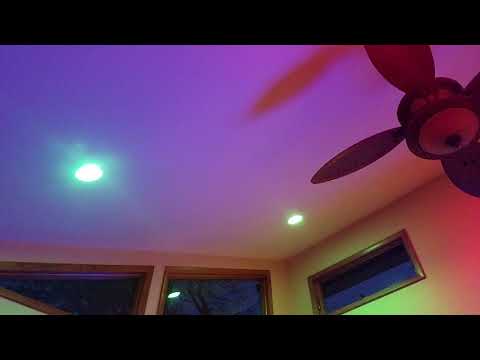
Many modern BR30 LED bulbs now support smart home ecosystems including Amazon Alexa, Google Home, Apple HomeKit, and Samsung SmartThings. These smart BR30 LEDs allow you to adjust brightness, change color temperature, and set schedules remotely — a feature that older reflector bulbs never offered.
Energy Savings and Long-Term Value
The financial case for switching to BR30 LED bulbs is compelling. A single BR30 LED bulb uses roughly 75 to 85 percent less energy than an equivalent incandescent reflector bulb and lasts between 15,000 and 50,000 hours depending on the model. For a fixture that runs an average of five hours per day, that translates to roughly 8 to 27 years of service before replacement is needed. When you factor in reduced electricity bills and minimal maintenance, the upfront cost of a quality BR30 LED bulb — typically between $3 and $12 — pays for itself within the first year of use.
Installation Tips and Common Mistakes
Installing a BR30 LED bulb is straightforward, but a few best practices help you avoid common pitfalls:
- Ensure the fixture is rated for LED: Some older recessed housings were designed for incandescent bulbs that generate significant heat. Using an LED bulb in an enclosed, non-ventilated fixture can shorten its lifespan if the housing traps excess heat.
- Match the base type: Most BR30 bulbs use an E26 medium screw base, but always verify compatibility before purchasing.
- Do not exceed the fixture’s recommended wattage equivalent: Even though LEDs consume far less power, some fixtures have physical or thermal limits that restrict the total wattage you can install.
- Let the bulb cool before handling: Although LEDs run cool compared to incandescents, they still generate some heat during operation.

Avoid the mistake of buying the cheapest BR30 LED bulb you can find. Extremely low-cost bulbs often use inferior LED chips that produce uneven light output, degrade quickly, and lack proper heat dissipation. Investing in a reputable brand ensures consistent performance and longevity.
Conclusion
The BR30 LED light bulb represents one of the smartest upgrades you can make in any space that uses recessed cans, track lights, or flood fixtures. With its focused beam angle, energy efficiency, long lifespan, and wide range of color temperatures and smart features, the BR30 LED bulb delivers professional-quality illumination at a fraction of the operating cost of older technologies. Whether you are outfitting a new build, retrofitting an older home, or simply swapping out failing bulbs, choosing the right BR30 LED bulb comes down to matching beam angle, lumen output, dimming capability, and color rendering to your specific application. The information in this guide gives you the foundation to do exactly that with confidence.
Frequently Asked Questions
What does BR30 stand for in light bulbs?
BR30 stands for “Bulged Reflector” with a diameter of 30 eighths of an inch (3.75 inches). The bulged reflector shape uses a mirrored coating inside the bulb to direct light forward in a focused beam pattern, making it ideal for recessed and track lighting applications.
Can I use a BR30 LED bulb in any recessed fixture?
Most standard 4-inch and 5-inch recessed cans accept a BR30 bulb, but you should always verify the fixture’s recommended bulb size. Using a bulb that is too large or too small can affect heat dissipation, light distribution, and safety.
Are BR30 LED bulbs dimmable?
Many BR30 LED bulbs are dimmable, but not all. Check the product packaging or specifications for a dimming rating. You should also ensure your dimmer switch is rated for LED loads to avoid flickering or compatibility issues.
How long do BR30 LED light bulbs typically last?
Quality BR30 LED bulbs last between 15,000 and 50,000 hours depending on the manufacturer, usage patterns, and operating conditions. For a fixture used five hours per day, this equates to approximately 8 to 27 years of reliable service.
What is the difference between BR30 and PAR30 LED bulbs?
The BR30 uses a bulged reflector design for a wider, softer beam spread of approximately 35 to 50 degrees, while the PAR30 (parabolic aluminized reflector) has a more focused, narrower beam of around 25 to 40 degrees. PAR30 bulbs are better for accent and spotlighting, while BR30 bulbs excel at general wash lighting.