


When it comes to upgrading your vehicle’s lighting system, the 1157 LED bulb has become one of the most popular choices among car enthusiasts, daily drivers, and DIY mechanics alike. Whether you are replacing a worn-out brake light, upgrading your tail lights, or enhancing your turn signals, understanding the ins and outs of this dual-filament LED solution can save you time, money, and the frustration of buying the wrong part. In this comprehensive guide, we will walk you through everything you need to know about the 1157 LED bulb, from its specifications and benefits to installation tips, compatibility concerns, and expert recommendations that will help you make the smartest purchase decision for your vehicle.
What Is a 1157 LED Bulb?
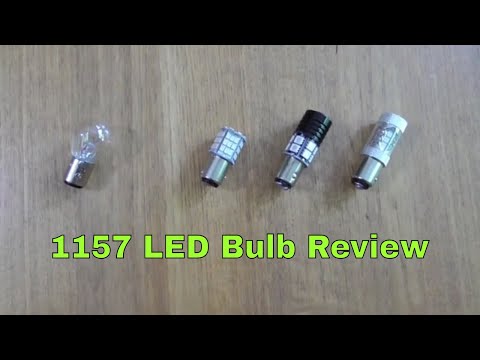
The 1157 LED bulb is a modern, energy-efficient lighting solution designed to replace the traditional incandescent 1157 bulb, which has been a staple in automotive lighting for decades. The original 1157 bulb features a dual-filament design, meaning it houses two filaments inside a single glass envelope. One filament handles the brake and tail light function, while the other powers the turn signal and backup light. The LED equivalent preserves this dual-filament functionality using advanced semiconductor technology instead of a heated tungsten wire.
What makes the 1157 LED bulb stand out in the crowded automotive lighting market is its ability to deliver significantly brighter illumination while drawing a fraction of the power. Traditional 1157 incandescent bulbs typically draw around 21 watts for the brake/tail filament and 5 watts for the turn signal filament. LED replacements slash this dramatically, often operating at just 3 to 10 watts total depending on the model. This power efficiency translates directly into less strain on your vehicle’s electrical system and a longer operational lifespan measured in tens of thousands of hours rather than hundreds.

Key Features and Specifications of 1157 LED Bulbs
Not all 1157 LED bulbs are created equal, and understanding the technical specifications helps you identify a quality product. Here are the critical features you should evaluate before purchasing:
- Dual Filament Design: Authentic 1157 LED bulbs replicate the original dual-filament function, allowing a single bulb to serve both brake/tail and turn signal circuits simultaneously.
- Lumens Output: Quality 1157 LED bulbs typically deliver between 800 and 1,500 lumens, depending on the number and type of LEDs used.
- Color Temperature: Most options range from 3,000K (warm yellow) to 6,500K (cool daylight white), with 6,000K being the most popular choice for a clean, modern look.
- CAN Bus Compatibility: Many modern vehicles use a CAN bus system that monitors bulb health. Cheap LED bulbs without resistors or decoder circuits will trigger error messages or hyperflashing turn signals.
- Heat Dissipation: Aluminum heat sinks and passive cooling designs are essential for sustained performance and longevity.
- Waterproof and Vibration Resistant: A quality 1157 LED bulb should carry at least an IP67 rating to handle road conditions and weather exposure.
- Base Type: The standard P27/7W bayonet base ensures direct fitment into 1157 socket applications without adapters.
1157 LED Bulb vs Traditional 1157 Incandescent Bulb
Before making the switch, it helps to understand exactly what you gain and what you might need to manage when replacing a conventional 1157 bulb with an LED version. The table below breaks down the key differences:
| Feature | Traditional 1157 Incandescent | 1157 LED Bulb |
| Power Consumption (Brake/Tail) | 21 Watts | 3–10 Watts |
| Power Consumption (Turn Signal) | 5 Watts | 3–5 Watts |
| Lifespan | 1,000–2,000 hours | 30,000–50,000 hours |
| Lumens Output | 200–400 lumens | 800–1,500 lumens |
| Response Time | 0.1–0.3 seconds | Near instant (microseconds) |
| Heat Generation | High (hot to touch) | Low (heat sinks on base) |
| CAN Bus Compatibility | No issues | May require resistor/decoder |
| Replacement Cost Over Time | Higher (frequent replacement) | Lower (single purchase lasts years) |
| Vibration Sensitivity | Filament prone to breakage | Solid-state; highly resistant |
The response time advantage of LED bulbs is often overlooked but critically important. Because LEDs illuminate almost instantaneously compared to incandescent filaments, the following driver behind you sees your brake lights activate fractions of a second sooner. Over many years of daily driving, this small improvement can genuinely contribute to road safety.
Top Applications for the 1157 LED Bulb
The 1157 bulb base and dual-filament configuration serve a specific role in automotive lighting, and the 1157 LED bulb fits seamlessly into these applications:
- Tail Lights and Brake Lights: The most common application. The 1157 LED bulb replaces the original incandescent unit in the rear light assembly, providing brighter red illumination for braking and a dimmer red glow for tail lighting.
- Turn Signal Lights: When used in the turn signal circuit, the 1157 LED bulb delivers rapid, attention-grabbing amber or red flashes that improve visibility to surrounding traffic.
- Backup Lights: In certain vehicle configurations, the 1157 socket also powers the reverse lighting, and an LED version provides crisp white illumination for parking and maneuvering in tight spaces.
- Side Marker Lights: Some older trucks, trailers, and classic vehicles use the 1157 base for side markers, and the LED upgrade enhances roadside visibility without drawing significant power.
- Off-Road and Auxiliary Lighting: Enthusiasts sometimes repurpose 1157 LED bulbs in custom auxiliary light setups where a compact, bright, dual-function light source is needed.
How to Choose the Right 1157 LED Bulb
Consider Your Vehicle’s Electrical System
The single most important factor when selecting a 1157 LED bulb replacement is your vehicle’s electrical architecture. If your car was manufactured before the mid-1990s, you likely do not need to worry about CAN bus decoding or load resistors. However, if you drive a modern vehicle with a digital lighting monitoring system, you will need a 1157 LED bulb that includes an integrated resistor or decoder module. These built-in solutions prevent the hyperflashing issue and eliminate dashboard warning lights that tell you a bulb has burned out when it has not.
Check Socket Fitment and Depth Clearance
Not all 1157 LED bulbs are the same size. The LED chips and heat sink assembly must physically fit inside the housing of your light socket. In some vehicles, particularly certain Toyota, Honda, and Ford models, the rear light assembly has tight internal clearance. If the LED bulb is too long, it will not seat properly or may interfere with the lens cover. Always check the bulb’s overall length before purchasing, and compare it against the available depth in your socket.
Look for Proper Heat Management
LED bulbs generate heat at the chip level, even though the exterior feels cool. The best 1157 LED bulbs feature an aluminum heat sink or metal core PCB that draws thermal energy away from the LEDs and dissipates it through the base of the bulb. Products that rely entirely on plastic housings for heat management will degrade faster and may experience lumen depreciation within the first year of use.
Brightness and Beam Pattern
A higher lumen count does not always mean a better bulb. The beam pattern — how the light is directed forward and outward — matters just as much as raw brightness. A bulb with 1,200 lumens but a poorly designed reflector cup inside the bulb housing will scatter light in every direction, reducing effective visibility. Look for bulbs that specifically advertise a focused beam pattern designed to replicate the original incandescent output direction.
Installation Tips and Common Mistakes to Avoid
Installing a 1157 LED bulb is straightforward, but a few details make the difference between a seamless upgrade and a frustrating experience:
- Always disconnect the battery before working on any automotive electrical component to prevent short circuits.
- Clean the socket contacts with electrical contact cleaner before inserting the new bulb. Corroded contacts cause intermittent flickering and reduced brightness.
- Do not overtighten the bulb into the socket. LED bulbs use plastic bases that can crack under excessive pressure.
- If your vehicle hyperflashes after installation, you need either a CAN bus-compatible bulb or a pair of load resistors wired inline with the turn signal circuit.
- Test both filaments independently after installation. Apply the brakes to activate the tail/brake filament and then activate the turn signal to confirm the second filament works correctly.
- Never use an LED bulb with a dimmer switch designed for incandescent bulbs. The electronic driver inside the LED bulb may not respond correctly to dimmer cycling and could fail prematurely.
1157 LED Bulb FAQs
Can I use a 1157 LED bulb in a socket that originally held a 1152 or 1156 bulb? Technically, the P27/7W base is the same across the 1152, 1156, and 1157 families. However, a 1157 bulb has both filaments active in different circuits, while 1152 and 1156 use single-filament configurations. Using a 1157 LED bulb in a single-filament application will work, but you will be paying for functionality you do not need. Always match the bulb to the intended circuit.
Why does my 1157 LED bulb flicker after installation? Flickering is almost always caused by an incompatible CAN bus system or a loose socket connection. If the flickering occurs only on the turn signal circuit, your vehicle’s flasher relay is likely detecting the low wattage draw of the LED and interpreting it as a bulb failure. Adding a load resistor or purchasing a CAN bus-ready bulb resolves this immediately.
Are 1157 LED bulbs road legal in all states and provinces? In most jurisdictions, replacing an original equipment bulb with an LED equivalent of the same color and mounting position is perfectly legal. However, modifications that change the color of the bulb (such as blue-tinted LED bulbs in brake light positions) may violate local regulations. Always verify your local vehicle equipment codes before purchasing colored LED bulbs.
How long does a 1157 LED bulb typically last? A quality 1157 LED bulb rated at 50,000 hours can theoretically last over 20 years of normal daily driving. In practice, factors like heat exposure, voltage spikes, and moisture intrusion reduce this to a realistic 8 to 15 years of reliable service for most drivers.
Do I need resistors when replacing my 1157 incandescent bulb with a 1157 LED bulb? If your vehicle does not have a CAN bus or automatic bulb monitoring system, you can usually install the LED bulb without any additional components. If your vehicle does have this system, you will need either a bulb with an integrated decoder or external load resistors matched to the circuit you are replacing.
Conclusion
The 1157 LED bulb represents one of the most practical and cost-effective automotive lighting upgrades available today. With brighter output, dramatically longer lifespan, instant illumination, and dramatically lower power consumption, the case for switching from an aging incandescent 1157 bulb to a modern LED equivalent is compelling. The key to a successful installation lies in choosing a quality product that matches your vehicle’s electrical system, fits your socket’s physical constraints, and delivers a well-engineered beam pattern. Take the time to research your specific vehicle model, verify compatibility, and invest in a reputable brand, and you will enjoy safer, better-looking lighting for years to come.