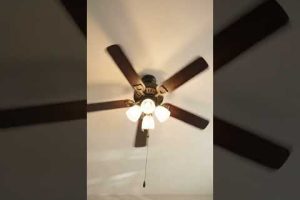
If you have ever stood in a dimly lit room, fan spinning silently above, wondering why your fixture just does not pull its weight visually or functionally, you already understand the importance of a great ceiling fan light fixture. This unassuming combo piece serves double duty: keeping air circulating while flooding your space with targeted illumination. Whether you are remodeling a bedroom, upgrading a living room, or tackling a whole-house lighting overhaul, the right fan light setup can transform both ambiance and energy efficiency in one stroke. This guide dives deep into every aspect of choosing, installing, and maintaining a ceiling fan light fixture so you can make confident, informed decisions for your home.
What Is a Ceiling Fan Light Fixture?
A ceiling fan light fixture refers to the integrated or detachable lighting component attached to a ceiling fan assembly. In modern setups, the fixture is typically built into the fan motor housing and uses a canopy to secure the entire unit to the ceiling box. Some models feature enclosed glass globes or open cage-style shades that protect the bulbs while diffusing light downward. Others rely on flush mount designs where the light element sits close to the ceiling for low-profile aesthetics. The fixture generally houses LED bulbs, CFLs, or incandescent options, and the housing often doubles as a junction box that safely connects wiring from both the fan motor and the light circuit.
Understanding how this fixture works at the wiring level matters too. Most residential ceiling fan light fixtures operate on a single switched circuit, though advanced models support separate controls for fan speed and light dimming. If you are upgrading an older pull-chain fan, you may be dealing with a basic ceiling fan light kit that snaps into the existing mounting bracket, which is a far simpler job than replacing an entire integrated unit.
Types of Ceiling Fan Light Fixtures
The market offers several distinct categories of fan lighting solutions, each suited to different room styles, ceiling heights, and lighting preferences.

Flush Mount Ceiling Fan Lights
Flush mount fan lights sit directly against the ceiling with no gap between the fixture base and the surface. These are ideal for rooms with low ceilings, typically eight feet or under, where a hanging pendant would create a claustrophobic feel. They distribute light evenly across the room and pair beautifully with contemporary, minimalist, and transitional interior designs.
Downlight Canopy Fan Assemblies
Downlight canopy units feature one or more recessed light openings that direct beams straight down. They are popular in modern kitchens, hallways, and open-plan living areas where task lighting is essential. The canopy design hides wiring and electrical connections cleanly, and many models come with adjustable LED modules that let you shift the light angle slightly.
Retro and Vintage Style Fan Light Fixtures
For homes with rustic, mid-century modern, or farmhouse décor, retro-style fan light fixtures offer ornate metal cages, amber glass shades, and Edison-style bulbs. These fixtures add a nostalgic charm that complements exposed beams, shiplap walls, and vintage hardware. Companies like Minka Aire, Fanimation, and Big Ass Fans produce lines specifically tailored to these aesthetics.
Detachable Light Kits
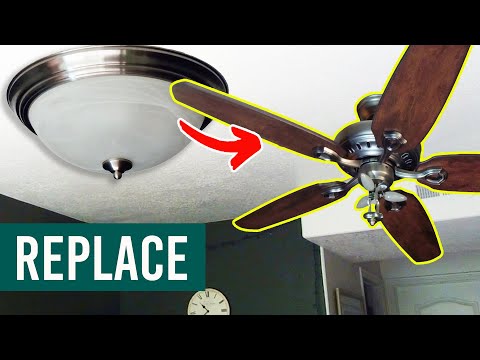
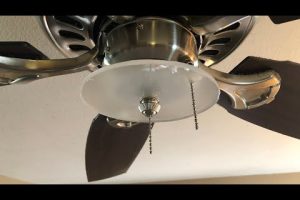
A detachable light kit is a standalone unit you purchase separately and mount onto a fan that did not originally include lighting. These kits typically include a light socket bar, a canopy, and one or more shades or globes. They are the most budget-friendly way to add illumination to a fan-only setup without replacing the entire fan.
Key Features to Consider When Choosing a Ceiling Fan Light Fixture
Buying the right fixture means evaluating several technical and aesthetic factors before you make a purchase. Here is what you should prioritize:

- Bulb Type and Brightness: Look for LED-compatible fixtures with dimming support. A lumen output between 800 and 1,200 lumens per bulb works well for most bedrooms and living rooms.
- Damp or Wet Rating: If your fan is installed in a bathroom, covered patio, or garage, ensure the light fixture carries a damp-rated or wet-rated certification from UL or ETL.
- Finish and Material: Brushed nickel, matte black, oil-rubbed bronze, and chrome are the most common finishes. Choose a material that complements your existing light switches, door hardware, and cabinetry.
- Control Options: Remote controls, wall switches, and smart home integrations (such as compatibility with Alexa, Google Home, or Apple HomeKit) offer varying levels of convenience.
- Fan Blade Size Match: The light fixture should visually balance the fan blade span. A 52-inch fan with a tiny, undersized light will look awkward, while an oversized globe on a small fan creates visual clutter.
Comparison: Popular Ceiling Fan Light Fixture Categories
| Category | Best For | Average Price Range | Brightness Level | Installation Difficulty |
| Flush Mount Fan Light | Low ceilings, modern rooms | $80 – $250 | Medium to High | Moderate |
| Downlight Canopy | Task lighting, open layouts | $100 – $400 | High | Moderate to Hard |
| Retro Cage Style | Farmhouse, vintage décor | $70 – $200 | Medium | Easy to Moderate |
| Detachable Light Kit | Adding light to existing fans | $25 – $100 | Low to Medium | Easy |
| Smart Integrated Fixture | Tech-forward homes | $150 – $500 | Adjustable (LED) | Moderate |
Installation Tips and Best Practices
Installing a ceiling fan light fixture requires basic electrical knowledge and a few essential tools. If you are not comfortable working with wiring, always hire a licensed electrician. For those with DIY experience, here are steps and tips to follow:
- Turn Off Power: Switch off the circuit breaker and use a non-contact voltage tester to confirm the power is fully cut before touching any wires.
- Check the Ceiling Box: Fan light fixtures are heavier than standard light fixtures. Ensure your ceiling box is rated for fan support and is securely anchored to a joist or a fan-rated brace.
- Assemble the Fixture in Stages: Attach the mounting bracket first, then the fan blades, then the motor housing, and finally the light fixture assembly. This staged approach prevents strain on individual components.
- Connect Wires by Color: Match black to black (hot), white to white (neutral), and green or bare copper to the ground wire. Use wire nuts and wrap each connection with electrical tape for safety.
- Secure the Canopy: Tighten the canopy screws so the fixture sits flush against the ceiling with no gaps. A loose canopy can cause wobbling and aesthetic issues.
- Test Before Finishing: Restore power and test both the fan and the light at every speed and brightness setting before securing the final decorative elements.
Top Recommendations for 2024
Based on performance, design, and customer feedback, several ceiling fan light fixtures stand out this year:
- Hunter Dempsey Low Profile: A sleek flush mount option with an integrated LED panel offering 4,000 lumens. It is Energy Star certified and works with most smart home hubs.
- Minka Aire Concept DL II: This downlight canopy model features four LED modules with adjustable beam angles, perfect for illuminating kitchen islands or dining tables.
- Fanimation Royal Palm: A stunning wet-rated option for covered porches, combining a copper-finished cage light with a powerful 42-inch airflow design.
- Hampton Bay HDC200 Light Kit: An affordable detachable kit that transforms any standard Hampton Bay fan into a fully lit fixture in under 20 minutes.
Maintenance and Longevity
A ceiling fan light fixture should last anywhere from five to fifteen years depending on usage and care. Dust the light shades and globe covers monthly using a microfiber cloth to maintain optimal brightness. Replace LED modules as a unit rather than individual bulbs when dimming starts to become inconsistent. Check the pull chain or remote receiver annually, as these are the most common failure points in fan light assemblies. For fixtures in high-humidity areas like bathrooms, run the fan for at least 15 minutes after showering to reduce moisture exposure and extend the fixture’s lifespan.
Conclusion
The right ceiling fan light fixture does far more than add a glow to a room. It ties together ventilation, lighting, and design into a single cohesive element that affects comfort, energy bills, and visual appeal every single day. By understanding the different types available, evaluating key features, and following proper installation and maintenance practices, you can invest in a fixture that performs beautifully for years. Whether you choose a contemporary flush mount, a task-oriented downlight canopy, or a charming retro cage style, the key is matching the fixture to your room’s specific needs and aesthetic vision.
Frequently Asked Questions
Can I install a ceiling fan light fixture in a room with a sloped ceiling?
Yes, many manufacturers offer angled mount adapters or downrod extensions specifically designed for sloped ceiling applications. The key is ensuring the mounting bracket aligns properly with the ceiling joist and that the light fixture hangs level despite the slope.
What is the difference between a ceiling fan light kit and a fully integrated fan light fixture?
A light kit is a separate add-on that attaches to an existing fan without lighting, while a fully integrated fixture comes as a single unit with both the fan motor and light housing built together. Integrated models tend to look more cohesive, whereas kits offer flexibility for upgrading existing fans.
Are smart ceiling fan light fixtures worth the extra cost?
For homeowners who want remote dimming, scheduling, voice control, and energy monitoring, smart fan light fixtures are absolutely worth the premium. They offer granular control over both airflow and illumination, and many models reduce energy consumption by up to 75% compared to traditional incandescent setups.
How do I choose the right bulb for my ceiling fan light fixture?
Select LED bulbs with a color temperature between 2700K and 3000K for warm, inviting light in living spaces, and 4000K to 5000K for task-oriented areas like kitchens and home offices. Ensure the bulb is dimmable if your fixture supports variable brightness, and always check the maximum wattage rating on the fixture housing.
What does a damp-rated ceiling fan light fixture mean, and where should I use one?
A damp-rated fixture is designed to withstand moderate moisture exposure and is suitable for bathrooms, laundry rooms, and covered outdoor porches. It is not rated for direct water contact like a shower enclosure. For fully exposed outdoor areas, choose a wet-rated fixture instead.
How much does it cost to replace a ceiling fan light fixture professionally?
Professional installation typically costs between $100 and $300, depending on your region, the complexity of the wiring, and whether a new ceiling box is required. The fixture itself can range from $50 for a basic kit to $500 or more for a premium smart model. Combining the cost of the unit and labor gives you a realistic total investment for the project.