Garden lights have evolved far beyond simple porch bulbs and basic landscape floodlights. Today, they represent one of the most impactful ways to transform an ordinary backyard into a stunning outdoor living space. Whether you are a homeowner looking to enhance curb appeal, a DIY enthusiast planning a landscape lighting project, or someone searching for the perfect way to illuminate a garden path safely, the world of outdoor lighting offers something for every skill level and budget. In this comprehensive guide, we will walk you through everything you need to know about garden lights — from the different types available and how to choose the right ones, to installation techniques, design principles, and maintenance tips that will keep your outdoor space glowing for years to come.
What Are Garden Lights and Why Do They Matter?
Garden lights refer to any fixture designed specifically for outdoor use in landscaping, gardens, patios, and pathways. These fixtures serve a dual purpose: they provide functional illumination for safety and visibility while dramatically enhancing the visual appeal of your property. Properly placed outdoor lighting can highlight architectural features, draw attention to prized plants, extend usable hours in your outdoor living areas, and even increase your home’s resale value.
The importance of garden lighting goes deeper than aesthetics. Studies consistently show that well-lit outdoor spaces reduce the risk of trips, slips, and falls on walkways and stairs. They also serve as a deterrent for unwanted intruders, making your property more secure after dark. Beyond safety, landscape lighting creates atmosphere — warm, inviting light can make a small patio feel expansive and a large garden feel intimate.
Types of Garden Lights You Should Know About
Understanding the different categories of outdoor garden lighting is the foundation of any successful project. Each type serves a specific purpose, and knowing what they offer will help you make smarter purchasing decisions.
Solar-Powered Garden Lights
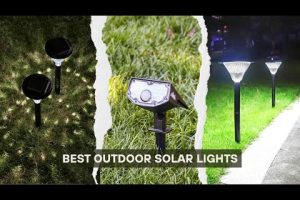
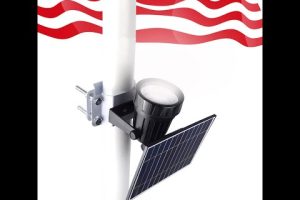
Solar-powered garden lights have surged in popularity because of their convenience and energy savings. These fixtures contain small photovoltaic panels that charge a rechargeable battery during the day, automatically powering LED bulbs at night. They are perfect for homeowners who want a no-wiring solution and are ideal for pathways, garden borders, and decorative accents.
Key advantages:
- Zero electricity costs
- Easy installation with no wiring required
- Environmentally friendly and energy-efficient
- Wide variety of styles from modern to rustic
Limitations to keep in mind: Solar lights depend on direct sunlight to charge fully, so shaded areas may produce dimmer output. The initial brightness is often lower than wired alternatives, and battery life typically degrades after two to three years.
Low-Voltage LED Garden Lighting
Low-voltage LED systems operate at 12 volts and use a transformer to step down household current. These systems are the gold standard for permanent landscape lighting installations. LEDs consume a fraction of the energy of traditional bulbs and last for tens of thousands of hours, making them an excellent long-term investment.

Why low-voltage LED lights are a top choice:
- Extremely energy efficient — uses up to 80% less power than incandescent
- Available in warm, neutral, and cool color temperatures
- Dimmable options allow for mood control
- Durable and weather-resistant with IP65 or higher ratings
- Easy to expand or reposition as your garden evolves
Line-Voltage Outdoor Fixtures
Line-voltage garden lights operate on the standard 120-volt household current. These fixtures are typically used for security lighting, illuminating large areas, and high-output applications. Because they carry full household voltage, installation usually requires professional electrical work and proper conduit protection.
String Lights and Festive Garden Lighting
Outdoor string lights — sometimes called café lights or bistro lights — add a warm, whimsical glow to patios, pergolas, and garden gathering spaces. They are available in LED and incandescent versions, with weatherproof ratings designed to withstand rain, humidity, and UV exposure.
Spotlights and Uplighting Fixtures
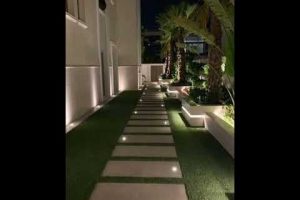
Garden spotlights and uplighters are designed to direct a focused beam of light upward onto trees, walls, sculptures, or architectural features. They create dramatic shadows and depth, turning a flat garden into a visually dynamic nighttime scene.
Comparison Table: Types of Garden Lights
| Type | Power Source | Installation Difficulty | Lifespan | Best For |
| Solar Lights | Solar panel with rechargeable battery | Very Easy | 2–3 years (LED), 1–2 years (battery) | Pathways, borders, casual accent lighting |
| Low-Voltage LED | Transformer (12V) | Moderate | 25,000–50,000+ hours | Permanent landscape lighting, accent and task |
| Line-Voltage | Household current (120V) | Difficult (often professional) | 10,000–25,000 hours | Security lighting, large area illumination |
| String Lights | Plug-in or solar/battery | Easy | 10,000–25,000 hours (LED) | Pergolas, patios, festive ambiance |
| Spotlights/Uplighters | Low-voltage or line-voltage | Moderate | 20,000–50,000 hours | Feature highlighting, dramatic effect |
How to Choose the Right Garden Lights for Your Space
Selecting the perfect outdoor lighting starts with understanding your goals and the characteristics of your garden. Here are the key factors to evaluate before making any purchase.
Consider Your Lighting Purpose
Ask yourself what you want your garden lights to accomplish. Is the primary goal safety along walkways and steps? Ambiance for evening entertaining? Highlighting a water feature or favorite tree? Each purpose calls for a different fixture type and light output level.
Color Temperature: Warm vs. Cool Light
Color temperature is measured in Kelvin (K) and dramatically affects the mood of your outdoor space. For garden lighting, warm white light in the range of 2700K to 3000K is generally preferred because it mimics the warm glow of incandescent bulbs and creates a cozy, inviting atmosphere. Cool white light (4000K+) works well for task lighting and security purposes but can feel harsh in a garden setting.
IP Rating and Weather Resistance
Every outdoor fixture should have an appropriate Ingress Protection (IP) rating. Look for at least IP65 for rain and water exposure, and IP67 or IP68 if the fixture will be submerged or exposed to heavy irrigation. This is one of the most overlooked aspects when buying garden lights, and skipping it leads to premature failure.
Brightness and Lumens

For path lighting, aim for 100–200 lumens per fixture. For accent and uplighting, 300–700 lumens works well. Floodlights and security lights typically require 700 lumens and above. Going too bright in a garden setting creates glare and washes out the ambiance you are trying to build.
Garden Lighting Installation: From Beginner to Advanced
One of the greatest advantages of modern garden lighting is that it is accessible to virtually any skill level.
For beginners: Solar lights require no electrical work at all. Simply place them in sunny spots, let the batteries charge for the first full day, and enjoy the glow at night. Line-voltage string lights can be plugged into outdoor-rated outlets with GFCI protection for safe, instant illumination.
For intermediate DIYers: A low-voltage LED system is a very manageable weekend project. You will need a transformer, outdoor-rated wire, connectors, and your chosen fixtures. Start by mapping your garden layout on paper, then dig a shallow trench (about 6 inches deep) for the wiring, connect the transformer to an outdoor outlet, and run the wire to each fixture. Most systems use simple snap-in connectors that do not require splicing or soldering.
For advanced installations: Consider adding a smart lighting controller or timer so you can schedule your garden lights to turn on at dusk and off at midnight. Some premium systems integrate with home automation platforms like Google Home, Amazon Alexa, or Apple HomeKit, allowing voice control and scene-setting for different occasions.
Expert Installation Tips
- Always use outdoor-rated wire and connectors — indoor wiring degrades rapidly in wet conditions
- Install a ground-fault circuit interrupter (GFCI) outlet for any permanently wired system
- Place transformers in a sheltered, accessible location for easy maintenance
- Use flag markers or paint to indicate buried cables before digging
- Test the entire system before burying all wiring to catch errors early
Design Principles for a Beautifully Lit Garden
Great garden lighting follows a few proven design principles that separate a professional-looking result from a haphazard one.
Layer your light sources. Combine path lights, accent lights, and ambient fixtures to create depth and dimension. A garden lit with only one type of light looks flat and uninteresting.
Use the rule of odd numbers. Group fixtures in sets of three or five rather than pairs. Odd-numbered groupings create a more natural, organic look that mimics how light occurs in nature.
Avoid over-lighting. It is tempting to flood every corner of the garden with light, but restraint creates impact. Leave some areas in shadow — darkness is what makes illuminated features stand out.
Direct light downward. Aim fixtures at the ground, walls, or plantings rather than into the sky. Light pollution is not only wasteful but also frowned upon by neighbors and many municipalities.
Maintenance Tips to Keep Your Garden Lights Looking Great
Even the best outdoor lighting setup needs periodic upkeep to maintain its appearance and performance.
- Clean fixtures regularly. Dirt, pollen, and insects accumulate on lenses and reduce light output. A quick wipe with a damp cloth every few weeks makes a noticeable difference.
- Check solar panels. Trim back any overgrown branches or foliage that may be shading your solar lights and preventing full battery charges.
- Inspect wiring and connections. Look for frayed wires, loose connectors, or corrosion on metal parts, especially after heavy storms or winter freeze-thaw cycles.
- Replace bulbs or batteries on schedule. LED fixtures rarely fail, but rechargeable batteries in solar lights typically need replacement every two to three years.
- Adjust fixture aim seasonally. As plants grow and change shape, reposition your accent lights to maintain the intended effect.
Final Thoughts on Choosing and Using Garden Lights
Garden lighting is one of the most rewarding investments a homeowner can make. It enhances safety, boosts property value, extends your usable outdoor hours, and brings your landscape to life after sunset. The key to success is starting with a clear plan — decide what you want to achieve, choose the right fixture types for each purpose, and install with care. Whether you opt for simple solar stakes along a garden path or invest in a fully wired low-voltage LED system with smart controls, the result will be an outdoor space you and your guests can enjoy long after the sun goes down.
Frequently Asked Questions About Garden Lights
1. What is the best type of garden light for a beginner with no electrical experience?
Solar-powered garden lights are the best starting point for beginners because they require absolutely no wiring, no electrical knowledge, and no tools. You simply place them in the desired location, ensure the solar panels receive adequate sunlight during the day, and they operate automatically at night. Modern solar LED garden lights have improved dramatically in brightness and battery life over the past few years, making them a genuinely viable primary lighting solution for many residential gardens.
2. How long do LED garden lights typically last before needing replacement?
High-quality LED garden fixtures are rated for approximately 25,000 to 50,000 hours of operation, which translates to roughly 10 to 15 years of typical nightly use (about 8 to 10 hours per night). The LED chip itself rarely fails; instead, you may notice gradual brightness reduction over time. Solar lights with replaceable rechargeable batteries should have their batteries swapped out every two to three years for optimal performance.
3. Can I install low-voltage garden lights myself, or do I need a professional electrician?
Most homeowners with basic DIY skills can successfully install a low-voltage LED garden lighting system themselves. The 12-volt system is safe to work with, the wiring is straightforward, and most kits include snap-in connectors that eliminate the need for electrical splicing. However, if you need to run line-voltage (120V) fixtures, you should hire a licensed electrician to ensure compliance with local electrical codes and to guarantee safe installation.
4. What color temperature is best for garden landscape lighting?
Warm white light between 2700K and 3000K is the most popular and universally flattering choice for garden lighting. It creates a soft, inviting glow that enhances greenery, highlights warm-toned stone and wood features, and feels natural and relaxing. Avoid cool white or daylight temperatures (5000K+) for garden settings as they tend to make plants look unnatural and create a harsh, clinical atmosphere.
5. How many garden lights do I need for a standard residential pathway?
A good rule of thumb is to place garden path lights approximately 6 to 8 feet apart along the edges of walkways. For a standard 30-foot pathway, this means roughly 4 to 5 fixtures on each side. Adjust spacing based on the lumens of your chosen fixtures — higher-output lights can be spaced further apart, while lower-output solar stakes should be placed closer together for consistent illumination.
6. Are there any garden lights that work well during winter or in regions with heavy cloud cover?
Solar garden lights can struggle in regions with limited direct sunlight during winter months or persistent cloud cover. In these situations, low-voltage LED systems or plug-in fixtures are a more reliable choice because they draw power directly from the electrical grid and are unaffected by weather conditions. If you prefer solar lights for winter use, look for models with larger solar panels and higher-capacity lithium-ion batteries, as they store more energy and perform better in low-light conditions.