


The 100W LED globe bulb has become one of the most sought-after lighting solutions for homeowners, businesses, and commercial spaces looking to upgrade their illumination without sacrificing brightness or style. Unlike traditional incandescent or halogen bulbs that guzzle electricity and generate excessive heat, a modern 100-watt equivalent LED globe bulb delivers powerful, wide-angle light output while consuming a fraction of the energy. Whether you are renovating a warehouse, upgrading outdoor fixtures, or simply replacing aging bulbs in high-ceiling areas, understanding what makes a 100W LED globe bulb tick can save you money, boost energy efficiency, and transform the ambiance of any room.
What Exactly Is a 100W LED Globe Bulb?
A 100W LED globe bulb is a spherical-style LED light fixture designed to produce the same luminous output as a traditional 100-watt incandescent bulb — typically around 1,600 lumens — while drawing only 15 to 20 watts of actual power. The “globe” shape refers to the bulb’s rounded, spherical form factor, which provides a 360-degree light distribution pattern. This makes it ideal for pendant lights, vanity mirrors, open fixtures, and decorative applications where omnidirectional lighting is essential. Modern LED globe bulbs use advanced semiconductor diode technology combined with precision optics to achieve excellent color rendering, instant full brightness, and exceptional longevity.
One of the most important things to understand is that when manufacturers label a bulb as “100W equivalent,” they are referring to the light output comparison, not the actual electricity consumed. This distinction is critical for anyone evaluating their energy bills or planning a large-scale lighting retrofit. A genuine 100W LED globe bulb replaces a 100W incandescent or halogen lamp while slashing energy consumption by roughly 80 to 85 percent.
Key Benefits of Upgrading to a 100W LED Globe Bulb
Switching to a high-quality 100W LED globe bulb offers advantages that go far beyond simple wattage savings. Here are the most compelling reasons to make the upgrade:
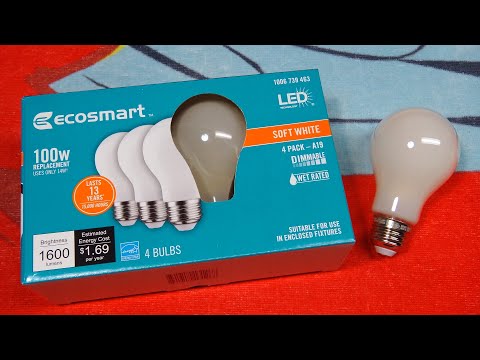
- Dramatic Energy Savings: A 100W equivalent LED globe typically draws only 15 to 20 watts, which translates to significant reductions in monthly electricity costs, especially in fixtures that remain on for extended hours.
- Exceptional Lifespan: Quality LED globe bulbs rated at 100W equivalent output often last between 15,000 and 50,000 hours, meaning you could go years without a single replacement.
- Instant Full Brightness: Unlike compact fluorescent bulbs that need warm-up time, an LED globe bulb reaches full illumination the moment you flip the switch.
- Superior Color Rendering: Premium LED globe bulbs feature a Color Rendering Index (CRI) of 80 or above, making colors in your space appear vibrant and natural.
- Low Heat Emission: LED technology produces minimal heat compared to incandescent or halogen alternatives, reducing the risk of burns and lowering cooling costs in enclosed fixtures.
- Eco-Friendly Operation: Lower energy consumption means a reduced carbon footprint, and many LED globe bulbs are free of toxic materials like mercury.
Why Globe Shape Matters for Light Distribution
The spherical design of a globe bulb is not just aesthetic. The curved, uniform shape allows light to radiate evenly in every direction, eliminating dark spots and harsh shadows that point-style LED bulbs sometimes create. For applications like chandeliers, bath vanity lights, and open porch fixtures, the 360-degree beam angle of a globe bulb ensures consistent, flattering illumination across the entire room.
Technical Specifications to Evaluate Before Buying
Not all 100W LED globe bulbs are created equal. To make an informed purchase, you need to understand the key specifications that determine real-world performance.
Lumens, Wattage Equivalents, and Brightness
Lumens measure actual light output, and for a true 100W incandescent replacement, you should target bulbs producing approximately 1,600 lumens. Some manufacturers push their products slightly above this benchmark, delivering 1,800 to 2,000 lumens, which can make a space feel even brighter. When shopping, always compare lumens rather than wattage equivalents, as the actual energy draw gives you a more accurate picture of efficiency.
Color Temperature Options
LED globe bulbs are available in a range of color temperatures, measured in Kelvin (K). Common options include:
- Warm White (2700K–3000K): Perfect for living rooms, bedrooms, and restaurants, producing a cozy, amber-toned glow reminiscent of traditional incandescent lighting.
- Neutral White (3500K–4000K): Ideal for kitchens, offices, and retail environments where clear, balanced illumination is needed without feeling sterile.
- Cool White (5000K–6500K): Best suited for garages, warehouses, workshops, and task-oriented commercial spaces that require high visual clarity.
Dimmability and Compatibility
Many modern 100W LED globe bulbs are fully dimmable, but compatibility with existing dimmer switches varies. Always verify that the bulb is rated for dimming and pair it with an LED-compatible dimmer to prevent flickering, buzzing, or premature failure. Trailing-edge dimmers tend to work better with LED technology than leading-edge models.
Common Applications for 100W LED Globe Bulbs
The versatility of the globe bulb shape and the power of modern LED technology make these bulbs suitable for a remarkably wide range of environments:
- Outdoor Post Lights and Porch Fixtures: The 360-degree spread provides excellent pathway and entryway illumination.
- Commercial Kitchens and Cafes: Pendant-mounted globe bulbs deliver warm, inviting light over dining and prep areas.
- Retail Displays and Showrooms: High CRI ratings ensure merchandise colors appear accurate and appealing.
- Hotel Lobbies and Hospitality Spaces: The elegant spherical profile adds a touch of sophistication while providing ample light.
- Garages and Workshops: Cool white options improve visibility for detailed tasks and safety inspections.
- High-Ceiling Industrial Spaces: LED technology ensures these bulbs can handle long operating hours without frequent replacements.
Comparison: 100W LED Globe Bulb vs. Traditional Lighting Technologies
| Feature | 100W Incandescent | 100W Halogen | 100W LED Globe Bulb |
| Actual Wattage Drawn | 100W | 100W | 15–20W |
| Light Output (Lumens) | ~1,600 lm | ~1,600 lm | 1,600–2,000 lm |
| Lifespan (Hours) | ~1,000 hrs | ~2,000 hrs | 15,000–50,000 hrs |
| Heat Output | High | Very High | Low |
| Dimmable | Yes | Yes | Varies by Model |
| Annual Energy Cost (4 hrs/day) | ~$45 | ~$42 | ~$6–$10 |
| Mercury Content | None | None | None |
As the comparison table illustrates, the energy and cost savings of switching to a 100W LED globe bulb are substantial. Over a typical 25,000-hour lifespan, an LED globe bulb uses roughly one-fifth the electricity of an incandescent equivalent, translating to hundreds of dollars in savings on utility bills alone.
Expert Tips for Choosing and Installing Your 100W LED Globe Bulb
Selecting the right bulb goes beyond picking the first 100W equivalent option you find on a store shelf. Here are practical recommendations from lighting professionals:

- Check the Base Type: Globe bulbs commonly use E26 (medium base) or E27 (Edison screw) fittings, but always verify compatibility with your existing socket before purchasing.
- Verify Enclosure Rating: If you plan to install the bulb inside an enclosed fixture or lantern, ensure the LED globe bulb is rated for enclosed fixtures. Heat buildup in enclosed spaces can dramatically shorten LED lifespan.
- Consider Beam Angle Carefully: Most globe bulbs offer a wide 360-degree beam, but some models focus light slightly forward. Match the beam angle to your fixture type and desired coverage.
- Invest in Quality Brands: Budget LED bulbs sometimes cut corners on LED driver quality, leading to inconsistent brightness or early failure. Established brands typically offer better thermal management and more reliable performance.
- Install in the Correct Orientation: Some LED globe bulbs perform best when the base is at the bottom, as thermal management design assumes this orientation. Check the manufacturer’s installation guidelines.
- Plan for Voltage Fluctuations: In areas with unstable electrical supply, consider bulbs with built-in surge protection to extend their operational life.
Frequently Asked Questions
How much does it cost to run a 100W LED globe bulb per month? Assuming four hours of daily use at an average electricity rate of $0.13 per kilowatt-hour, a 100W LED globe bulb drawing approximately 18 watts costs roughly $0.28 per month, or about $3.36 per year. Compare that to a traditional 100W incandescent, which would cost around $4.68 per month.
Can I replace a 100W incandescent bulb with a 100W LED globe bulb? Absolutely. The “100W” designation on an LED globe bulb refers to its equivalent light output, not its actual power draw. You are physically replacing a 100-watt incandescent lamp with an LED bulb that produces comparable brightness while consuming significantly less energy.
Are all 100W LED globe bulbs dimmable? No, dimmability varies by product and manufacturer. Always check the packaging or product specifications to confirm that the specific model supports dimming, and ensure your existing dimmer switch is compatible with LED loads.

How long does a 100W LED globe bulb typically last? Most quality LED globe bulbs rated at 100W equivalent output have a rated lifespan of 15,000 to 50,000 hours. At four hours of daily use, this translates to approximately 10 to 34 years of continuous service before the bulb reaches its rated end of life.
What is the difference between a 100W LED globe bulb and a standard LED bulb? The primary difference lies in the shape and light distribution. A globe bulb features a spherical form that emits light uniformly in all directions, while standard LED bulbs typically direct light in a more focused pattern. Globe bulbs are specifically designed for fixtures where 360-degree illumination is desired.
Final Thoughts
The 100W LED globe bulb represents one of the smartest investments you can make for your lighting infrastructure. With dramatic energy savings, exceptional longevity, superior light quality, and a versatile spherical design that works across countless applications, there is virtually no reason to stick with outdated incandescent or halogen technology. Whether you are upgrading a single fixture in your home or planning a comprehensive commercial lighting retrofit, choosing a high-quality LED globe bulb ensures you get maximum value, performance, and satisfaction from every lumen produced. Make the switch today and experience the future of efficient, beautiful illumination.