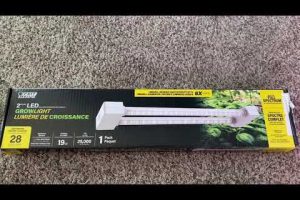
If you are serious about indoor gardening, you have probably heard the term full spectrum grow light thrown around quite a bit. But what does it actually mean, and why does it matter for your plants? Unlike traditional lighting that produces a narrow band of wavelengths, a full spectrum grow light replicates the natural sunlight that plants have evolved with for millions of years. This means your indoor garden gets the complete light profile it needs — from the blue wavelengths that drive vegetative growth to the red wavelengths that trigger flowering and fruiting. Whether you are a hobbyist growing herbs on a windowsill or a commercial cultivator managing a large indoor grow operation, understanding full spectrum lighting is one of the most impactful decisions you can make for your plants.
What Exactly Is a Full Spectrum Grow Light?

A full spectrum grow light is an artificial lighting system designed to emit light across a wide range of wavelengths, closely mimicking the natural solar spectrum. The term “full spectrum” refers to coverage across the ultraviolet (UV), visible, and infrared (IR) portions of the light spectrum. In practical terms, this means the light includes wavelengths roughly between 380 nanometers and 800 nanometers, which encompasses all the colors plants use for photosynthesis and photomorphogenesis.
The Science Behind Full Spectrum Light
Plants use light primarily for photosynthesis, a process driven by chlorophyll and other photosynthetic pigments. Chlorophyll A and Chlorophyll B absorb light most efficiently in the blue (around 430–450 nm) and red (around 640–680 nm) ranges. However, plants also use green, yellow, and far-red wavelengths for various physiological processes. A full spectrum grow light delivers all of these wavelengths in balanced proportions, ensuring that no part of the plant’s light requirements goes unmet. This is fundamentally different from older lighting technologies like high-pressure sodium (HPS) lamps, which produce a heavy spike in the orange-red range with very little blue light.
How Full Spectrum Differs from Other Light Spectrums
To truly understand the advantage, it helps to compare. Narrow spectrum lights, such as traditional HPS or metal halide fixtures, provide only specific bands of the light spectrum. Purple or “blurple” LED lights combine red and blue diodes but leave significant gaps. A full spectrum grow light fills those gaps with balanced white light and additional wavelengths. Think of it like this: a narrow spectrum light gives your plants a vitamin supplement, while a full spectrum light gives them a complete, well-rounded diet.
Why Full Spectrum Lighting Matters for Plant Growth
The benefits of full spectrum lighting go far beyond basic photosynthesis. Plants are highly responsive to light quality, intensity, and photoperiod. When you provide a complete light spectrum, you influence everything from stem elongation to leaf thickness, from chlorophyll production to flowering timing.
Vegetative Growth and Blue Light
During the vegetative phase, plants rely heavily on blue light wavelengths. Blue light promotes compact, bushy growth, encourages thick stems, and supports healthy leaf development. It also regulates stomatal opening, which directly affects how efficiently a plant takes in carbon dioxide. A full spectrum grow light that delivers adequate blue light ensures your plants develop strong, healthy foliage before transitioning to the flowering stage.
Flowering, Fruiting, and Red Light
When the photoperiod shifts and plants enter their reproductive phase, red light becomes the dominant driver. Red wavelengths stimulate the production of florigen, the hormonal signal that triggers flowering. They also enhance chlorophyll absorption and increase the rate of photosynthesis during peak demand. Many growers use full spectrum lights throughout their entire grow cycle because the balanced red-to-blue ratio naturally supports both phases without requiring a light change.
Photomorphogenic Responses
Beyond photosynthesis, plants use light as environmental information. This is called photomorphogenesis. The ratio of red to far-red light, for example, influences stem elongation, leaf expansion, and even seed germination. Far-red light, which is included in quality full spectrum fixtures, helps plants “sense” their environment and adjust growth patterns accordingly. UV light, though needed in small amounts, can stimulate the production of protective compounds like terpenes and flavonoids — something particularly valuable for cannabis and medicinal herb growers.
Types of Full Spectrum Grow Lights Available

Not all full spectrum grow lights are created equal. The technology behind them varies significantly, and each type has distinct advantages and trade-offs. Here is a breakdown of the most common options on the market today.
| Type | Efficiency | Heat Output | Lifespan | Best For |
| Full Spectrum LED | Very High (2.0–3.0 µmol/J) | Low to Moderate | 50,000+ hours | All indoor gardening setups |
| Ceramic Metal Halide (CMH) | Moderate (1.5–1.8 µmol/J) | High | 10,000–15,000 hours | Small to medium grow spaces |
| T5 Fluorescent | Moderate (1.0–1.3 µmol/J) | Low | 20,000–30,000 hours | Seedlings, clones, and small herb gardens |
| Quantum Board LED | High (2.5–3.5 µmol/J) | Low | 50,000+ hours | Large scale and commercial grows |
| COB LED (Chip on Board) | High (2.2–3.0 µmol/J) | Moderate to High | 30,000–50,000 hours | Medium to large flowering setups |
Full Spectrum LED Panels
Modern full spectrum LED panels are the go-to choice for most indoor growers. They combine multiple diode types — white LEDs with phosphor coatings, deep red, far-red, and sometimes UV — into a single fixture. The result is a smooth, continuous spectrum that closely resembles natural sunlight. These panels are energy efficient, produce minimal heat, and can be dimmed to match different growth stages. Leading brands in this category have made significant advances in diode efficiency and driver technology over the past few years.
CMH and LEC Lights
Ceramic metal halide lights, often branded as LEC (Light Emitting Ceramic), produce a genuine full spectrum output with a strong emphasis on blue and white light. They are prized for their excellent color rendering and natural light quality. However, they run hot and consume more electricity per equivalent light output compared to modern LEDs. If you are growing in a small, well-ventilated space, a CMH light can be an excellent choice, especially for growers who prefer a more traditional lighting approach.
T5 Fluorescent Fixtures
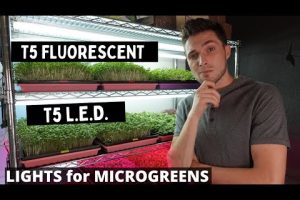
For beginners on a budget, T5 fluorescent tubes offer a reliable entry point into full spectrum growing. They produce a balanced light spectrum that works well for seedlings, clones, and leafy greens. The downside is lower intensity, which limits their effectiveness for high-light-demanding flowering plants. If you are growing herbs, microgreens, or starter plants, T5 fluorescents remain a solid and affordable option.
How to Choose the Right Full Spectrum Grow Light for Your Setup
Selecting the right fixture depends on several factors beyond just the light spectrum. Here are the key considerations every grower should evaluate before making a purchase.
- Coverage Area and Light Intensity: Measure your grow space in square feet and match it to the manufacturer’s recommended coverage. A light rated for a 4×4 foot space will not perform optimally in an 8×8 tent. Look for the PPFD (Photosynthetic Photon Flux Density) map, which shows light intensity at different distances.
- PPFD and PAR Values: PAR (Photosynthetically Active Radiation) measures the light wavelengths useful for photosynthesis, typically between 400–700 nm. PPFD measures the actual photon delivery at the canopy level. A quality full spectrum grow light will provide a detailed PPFD map so you can position it correctly.
- Dimming and Spectrum Control: Advanced LED fixtures offer dimming controls and sometimes even adjustable spectrum knobs. This allows you to increase blue light during veg and boost red light during flowering. This flexibility is one of the biggest advantages of modern full spectrum LED technology.
- Heat Management: Even though LEDs run cooler than HPS lights, they still generate heat that needs to be managed. Look for fixtures with built-in heat sinks, quiet fans, and adequate airflow clearance.
- Driver Quality and Warranty: The driver is the electronic component that regulates power to the LEDs. A poorly made driver will fail long before the diodes do. Choose brands that offer at least a three-year warranty and use Mean Well or similar reputable drivers.
Best Practices for Using Full Spectrum LED Grow Lights
Even the best full spectrum grow light will underperform if it is not used correctly. Here are expert recommendations that make a real difference in your results.
Optimize Your Light Distance
Hang your light at the recommended distance — typically 18 to 24 inches above the canopy for LED panels. Too close and you risk light burn, where leaves bleach and curl. Too far and your plants stretch and become leggy searching for photons. Start at the upper end of the recommended range and gradually lower the light as your plants acclimate.
Set the Right Photoperiod
Most plants thrive under an 18/6 light cycle during vegetation (18 hours on, 6 off) and a 12/12 cycle to trigger flowering. Some plants, like herbs and leafy greens, do well under 16/8 or even 24/0 light schedules. A full spectrum grow light makes it easy to run continuous lighting because the balanced spectrum prevents the stress associated with narrow-band lights.
Use Reflective Surfaces
Maximize your light efficiency by lining your grow tent or room with reflective material. Mylar, white paint, or reflective mylar blankets can increase your effective light coverage by 20 to 30 percent. This means your plants receive more usable photons without increasing your energy bill.
Monitor Temperature and Humidity
Even with low heat output, your grow area will warm up under any lighting system. Keep ambient temperatures between 68 and 78 degrees Fahrenheit during the light period. Use an inline fan or air conditioning if necessary. Monitor humidity levels, as high temperatures combined with high humidity can invite mold and pest problems.
Common Mistakes Growers Make with Full Spectrum Lighting

Avoid these pitfalls that even experienced indoor gardeners sometimes fall into:
- Ignoring PPFD maps: Buying a light based on wattage alone instead of actual photon delivery. A 300-watt LED can outperform a 500-watt LED depending on diode efficiency.
- Overestimating coverage: Manufacturers sometimes list coverage areas optimistically. Always check independent reviews and real-world PPFD measurements.
- Skipping the light timer: Inconsistent photoperiods stress plants and can cause hermaphroditism in flowering species. Use a reliable digital timer.
- Neglecting spectrum balance: Some cheap “full spectrum” LEDs skew heavily toward red or white. Look for fixtures that explicitly list their spectral output across multiple wavelength bands.
Frequently Asked Questions
Can I use a full spectrum grow light for all stages of plant growth?
Yes, one of the primary advantages of full spectrum LED grow lights is their versatility. The balanced blue and red wavelengths support both vegetative growth and flowering, eliminating the need to switch between different light types during your grow cycle. Many professional growers run full spectrum lights from seed to harvest.
How many watts of full spectrum light does my plant need per square foot?
As a general rule of thumb, most flowering plants need approximately 30 to 50 watts of actual LED draw per square foot. For leafy greens and herbs, 15 to 25 watts per square foot is usually sufficient. Always prioritize PPFD and photon efficiency over raw wattage numbers when evaluating a light.
Is full spectrum LED light better than sunlight for indoor plants?
Sunlight remains the gold standard because it provides the complete solar spectrum at full intensity. However, a high-quality full spectrum LED grow light can match or closely approach natural sunlight for indoor growing conditions. The key advantage of LED is controllability — you can adjust intensity, spectrum, and photoperiod to create ideal conditions year-round.
Do full spectrum grow lights produce UV and IR light?
Some premium full spectrum fixtures include small amounts of UV-A and IR wavelengths, which can enhance terpene production and plant resilience. Not all lights include these wavelengths, so check the product specifications if UV and IR are important to your growing goals. Most standard full spectrum LEDs focus on the 400–700 nm PAR range.
How long should I run my full spectrum grow light each day?
The ideal photoperiod depends on your plant species and growth stage. Vegetative plants generally thrive on 16 to 18 hours of light per day, while flowering plants do best on a 12/12 cycle. Some growers use an 18/6 schedule for the entire cycle to maximize growth without stressing plants during flowering. Always research the specific light requirements of the species you are growing.
Final Thoughts on Full Spectrum Grow Lights
Investing in a quality full spectrum grow light is one of the most impactful steps you can take toward indoor gardening success. The technology has matured dramatically in recent years, and modern LED fixtures deliver exceptional light quality, energy efficiency, and longevity that older lighting technologies simply cannot match. Whether you are starting a small herb garden on your kitchen counter or building a professional-grade indoor grow operation, choosing a full spectrum grow light that matches your space, budget, and plant requirements will set you up for consistent, healthy harvests. Focus on spectral balance, PPFD coverage, and build quality, and your plants will reward you with vigorous growth and abundant yields. The future of indoor growing is full spectrum, and the best time to make the switch is now.