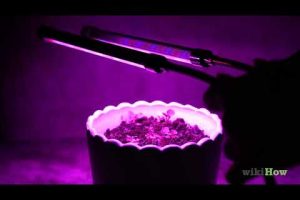
When it comes to indoor gardening, choosing the right light source can make or break your harvest. Fluorescent lighting for growing plants has been a trusted choice among gardeners for decades, and for good reason. Whether you are starting seeds, nurturing delicate seedlings, or maintaining a compact grow tent setup, fluorescent grow lights deliver the balanced spectrum and gentle intensity that plants crave without the overwhelming heat and energy costs associated with other lighting technologies. This guide dives deep into everything you need to know about fluorescent lighting systems for indoor plant cultivation, from selecting the right tube type and ballast configuration to optimizing photoperiods and maximizing your yields.
Why Fluorescent Lighting for Growing Plants Is So Effective
Fluorescent lighting has earned its reputation as one of the most reliable and affordable options for indoor gardening. Unlike high-intensity discharge systems that blast your plants with extreme heat and consume significant electricity, fluorescent grow lights operate at cool temperatures and produce a diffused light that penetrates deep into the canopy. This makes them ideal for plants that thrive under moderate light levels, including leafy greens, herbs, ferns, and certain flowering varieties.
The secret lies in the phosphor coating inside the tube. When electricity passes through the gas-filled tube, it excites the phosphors and produces light across a broad spectrum. Modern fluorescent grow tubes are engineered to emphasize red and blue wavelengths, which are the most critical for photosynthesis and plant development. The result is a light source that closely mimics natural sunlight in a way that supports both vegetative growth and blooming cycles.
For beginners stepping into indoor gardening, fluorescent systems offer a low barrier to entry. The fixtures are inexpensive, replacement tubes are widely available, and the learning curve is gentle compared to mastering complex LED or HPS configurations.
The Science Behind Fluorescent Grow Light Spectrum
Plants absorb light primarily in the blue (400–500 nm) and red (600–700 nm) regions of the electromagnetic spectrum. Blue light promotes compact, sturdy growth and healthy leaf development, while red light drives flowering and fruiting. Fluorescent tubes designed for growing are manufactured with specific phosphor blends that concentrate output in these critical bands. Standard cool-white tubes lean toward the blue end, making them excellent for vegetative stages, while warm-white tubes shift the output toward red wavelengths, supporting bloom phases.
Types of Fluorescent Lighting Systems for Plant Growth
Not all fluorescent grow lights are created equal. Understanding the different types available will help you choose the system that best matches your growing space and crop goals.
- Compact Fluorescent Lights (CFLs): These are the spiral-shaped bulbs you might recognize from household lamps. CFLs are perfect for small-scale setups, individual plants, or supplemental lighting. They come in various wattages, typically ranging from 13W to 200W, and are incredibly easy to install with standard screw-in sockets.
- T5 Fluorescent Tubes: Considered the gold standard for fluorescent growing, T5 tubes are ⅝-inch in diameter and produce the highest lumen output per watt among fluorescent options. They are available in two-foot and four-foot lengths and are the go-to choice for serious indoor gardeners running vertical grow racks or multi-tier systems.
- T8 Fluorescent Tubes: Slightly larger at one inch in diameter, T8 tubes are widely available and cost-effective. They are an excellent choice for general-purpose growing, especially for leafy vegetables and herbs that do not demand the intense light levels of fruiting plants.
- T12 Fluorescent Tubes: The oldest and widest of the fluorescent tubes, T12s are gradually being phased out in favor of more efficient alternatives. They still work well for basic propagation and low-light plants but produce less output per watt than T5 or T8 models.
T5 vs T8 vs T12: Which Fluorescent Tube Is Best for Growing?
Choosing between T5, T8, and T12 fluorescent tubes is one of the most important decisions you will make when setting up an indoor grow space. Each format has distinct advantages depending on your crop type, growing area, and budget.
| Feature | T5 | T8 | T12 |
| Diameter | 5/8 inch (16mm) | 1 inch (26mm) | 1.5 inches (38mm) |
| Lumen Output per Tube | High (2,000–5,000+ lm) | Moderate (1,500–3,000 lm) | Lower (1,000–2,000 lm) |
| Energy Efficiency | Excellent | Good | Fair |
| Best For | Vegetative & flowering stages | Leafy greens & herbs | Seedling propagation |
| Operating Temperature | Cool (65–80°F) | Cool (65–80°F) | Cool (60–75°F) |
| Cost per Fixture | Moderate to High | Low to Moderate | Low |
| Lifespan (hours) | 20,000–24,000 | 15,000–20,000 | 10,000–15,000 |
The table above makes it clear that T5 tubes deliver the best overall performance for fluorescent growing. However, if you are on a tight budget or only growing a few herb pots on a kitchen windowsill, T8 or even T12 tubes will get the job done just fine.
How to Set Up a Fluorescent Grow Light System
Setting up a fluorescent lighting system for your indoor garden is straightforward, but getting the details right will significantly impact your results.
- Choose the Right Fixture: Select a T5 or T8 fixture that matches the number of tubes you need based on your grow area. A general rule of thumb is to provide 30–50 watts of actual power per square foot of growing space for T5 systems.
- Select the Correct Ballast: Electronic ballasts are more efficient and quieter than magnetic ballasts. They also allow you to mix T5 and T8 tubes on some models, though using matched tubes and ballasts is always recommended for peak performance.
- Position the Lights Correctly: Hang fluorescent tubes 4 to 12 inches above the plant canopy. Unlike HID lights, fluorescent tubes produce minimal radiant heat, so you can safely place them closer to the leaves without risking burn or desiccation.
- Use Reflectors: Many T5 fixtures come with built-in reflective housings, but adding external reflective material such as Mylar or white paint on surrounding walls can boost light distribution by 20–30 percent.
- Set a Consistent Photoperiod: Most indoor plants thrive under 14–16 hours of light per day during the vegetative phase and 10–12 hours during flowering. Use a reliable timer to automate your light schedule and maintain consistency.
Best Practices and Expert Tips for Maximizing Results
Even the best fluorescent grow light setup will underperform without proper management. Here are expert tips to help you get the most out of your fluorescent lighting system.
- Rotate Your Plants Regularly: Because fluorescent light is diffuse and directional intensity is lower than HID systems, rotating plants every few days ensures even growth and prevents legging or stretching toward the light source.
- Replace Tubes on Schedule: Fluorescent tubes degrade over time and lose up to 30 percent of their light output after 10,000 hours of use. Replace tubes annually for optimal performance, even if they are still technically functioning.
- Match the Spectrum to the Growth Stage: Use cool-white or blue-spectrum tubes for vegetative growth and warm-white or red-spectrum tubes during flowering. Some gardeners switch tube types between stages to align with the plant’s changing needs.
- Keep Tubes Clean: Dust accumulation on the tube surface can reduce light transmission significantly. Wipe tubes gently with a damp cloth every few weeks to maintain maximum output.
- Supplement with Reflective Surfaces: Lining your grow tent or shelving unit with reflective material dramatically increases the effective light coverage and reduces waste.
Fluorescent Lighting for Growing: Frequently Asked Questions
Can fluorescent grow lights be used for flowering and fruiting plants?
Yes, fluorescent lights can support flowering and fruiting, especially with high-output T5 systems. While they may not produce the same peak intensity as LEDs or HPS lights, many growers successfully flower herbs, small peppers, strawberries, and compact cannabis strains under fluorescent setups. The key is to use warm-spectrum tubes, maintain proper light-to-canopy distance, and ensure sufficient photoperiod duration of 10–12 hours during the bloom phase.
How far should fluorescent grow lights be placed from plants?
Fluorescent tubes can be positioned much closer to plants than other light sources because they produce minimal heat. For T5 systems, a distance of 4 to 6 inches from the canopy is ideal for most plants. For T8 and CFL setups, 6 to 12 inches is a safe range. Watch your plants for signs of stress, such as bleaching or leaf curling, and adjust the height accordingly.
What is the difference between T5 high-output and T5 standard-output fluorescent tubes?
T5 high-output (HO) tubes produce significantly more light per tube than standard-output (SO) or retrofit (RS) versions. A T5 HO tube typically delivers around 5,000 lumens compared to 3,000–3,500 lumens for a standard T5. For serious indoor growers, T5 HO tubes are the preferred choice because they provide the intensity needed for robust vegetative development and healthy flowering, especially when multiple tubes are arranged in a single fixture.
Are CFL grow lights worth it for a small indoor garden?
Absolutely. CFL grow lights are one of the most budget-friendly and beginner-friendly options for small indoor gardens. They require no special fixtures beyond a standard socket, consume very little electricity, and produce enough light to sustain herbs, small succulents, and a handful of leafy greens. However, for larger grow spaces or plants that demand high light intensity, CFLs will fall short compared to T5 fluorescent systems or modern LED panels.
How often should I run my fluorescent grow lights each day?

Most plants benefit from 14 to 16 hours of light during the vegetative growth stage and 10 to 12 hours during flowering. Using a digital timer ensures your plants receive consistent photoperiods, which is critical for maintaining healthy growth rhythms. Avoid running lights 24 hours a day, as plants need a dark period for respiration and metabolic processes that support nutrient uptake and overall vigor.
Final Thoughts on Fluorescent Lighting for Growing
Fluorescent lighting remains one of the most practical, affordable, and effective solutions for indoor plant cultivation across all skill levels. Whether you are a hobbyist propagating seedlings on a kitchen counter or an experienced gardener managing a multi-tier grow tent with T5 high-output fixtures, fluorescent grow lights deliver the right balance of spectrum, intensity, and energy efficiency. By choosing the right tube type, positioning your lights correctly, and following the maintenance practices outlined in this guide, you can achieve impressive results without the complexity and cost of more advanced lighting technologies. The key is to match your fluorescent system to your specific growing needs and always pay attention to your plants’ signals — healthy, vibrant growth is the ultimate proof that your light setup is working.