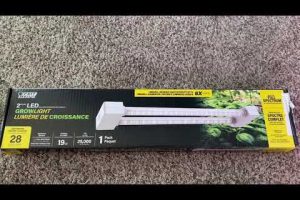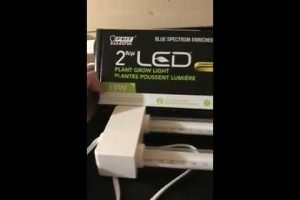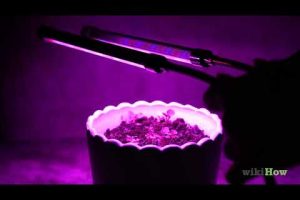
If you are an indoor gardener looking to maximize plant health and yield, you have likely encountered the name Ferry Morse in the context of grow lights. Ferry Morse has built a decades-long reputation as a trusted brand in the gardening world, and their grow light solutions have earned attention from hobbyists and serious cultivators alike. Whether you are starting seedlings on a kitchen windowsill, managing a compact indoor herb garden, or scaling up a dedicated grow tent setup, choosing the right grow light can make or break your results. This guide dives deep into everything you need to know about Ferry Morse grow lights — from understanding their features and technology to practical setup tips, comparisons with competing brands, and expert recommendations that will help you get the most out of your investment.
What Is a Ferry Morse Grow Light and Why Does It Matter?

Ferry Morse is a well-established American brand with roots stretching back over a century, originally known for seed kits and garden supplies. Over the years, the company has expanded into lighting solutions designed specifically for indoor plant cultivation. A Ferry Morse grow light is an engineered lighting system that replicates or supplements the solar spectrum plants need for photosynthesis, flowering, and fruiting. Unlike standard household bulbs that emit a narrow, inefficient light profile, these grow lights are built with specific wavelengths — typically spanning blue, red, and full-spectrum white LEDs — that align with the photosynthetically active radiation (PAR) range plants use most effectively.
The importance of a quality grow light cannot be overstated. Indoor plants depend entirely on artificial or supplemented light for their energy needs. Insufficient or incorrect lighting leads to leggy stems, pale leaves, stalled growth, and poor yields. A well-chosen Ferry Morse grow light bridges the gap between natural sunlight and indoor growing conditions, giving your plants the spectral balance they need at every stage of their life cycle.
Key Features and Specifications of Ferry Morse Grow Lights
Understanding the technical specifications behind Ferry Morse grow lights helps you make informed purchasing decisions. Here are the core features that define their product line:
Full-Spectrum LED Technology
Most Ferry Morse grow light models use full-spectrum LED diodes that cover wavelengths from approximately 380 nanometers (violet) to 780 nanometers (deep red). This closely mimics natural sunlight, making these lights suitable for vegetative growth, flowering, and fruiting stages without needing to swap bulbs or adjust settings frequently.
Adjustable Height and Flexibility
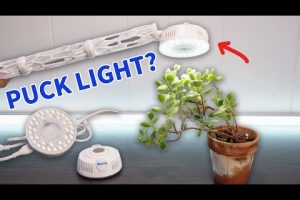
Many Ferry Morse grow light units come with adjustable hanging straps or telescoping arms, allowing you to modify the distance between the light source and the plant canopy. This flexibility is critical because light intensity follows the inverse square law — doubling the distance reduces intensity to a quarter. Being able to fine-tune this distance ensures your plants receive optimal light levels as they grow.

Dimmable Brightness Settings
Several models feature dimmable controls that let you adjust light intensity based on the plant species, growth phase, and ambient conditions. Seedlings typically thrive under lower intensity, while mature flowering plants demand higher light levels. A dimmable grow light gives you this control without purchasing additional equipment.
Energy Efficiency
Compared to older technologies like high-intensity discharge (HID) lamps or fluorescent T5 tubes, LED-based Ferry Morse grow lights consume significantly less electricity while delivering comparable or superior light output. This translates to lower electricity bills and reduced heat output, which is especially valuable for small grow spaces where temperature management is a concern.
How to Choose the Right Ferry Morse Grow Light for Your Setup
Selecting the correct grow light depends on several factors, including the size of your growing area, the types of plants you are cultivating, and your budget. Below is a framework to guide your decision.
- Measure Your Growing Space. Calculate the square footage of your indoor garden. Ferry Morse offers models designed for everything from small desktop setups covering a single plant to larger panels suitable for multiple pots or a grow tent.
- Identify Your Plant Types. Leafy greens and herbs require less intense light than fruiting plants like tomatoes or peppers. Match the light’s intensity and spectrum to your specific crop requirements.
- Consider the Growth Stage. If you are growing plants from seed to harvest under one light, look for a full-spectrum model with dimmable settings. If you only need supplemental lighting during the vegetative phase, a simpler model may suffice.
- Evaluate Heat Output. In enclosed spaces, excessive heat can stress plants and raise ambient temperatures. LED grow lights from Ferry Morse produce far less heat than traditional alternatives, but ventilation still matters.
- Assess Durability and Warranty. Look for units with solid construction, quality power supplies, and manufacturer warranties that protect your investment over multiple growing seasons.
Quick Reference Comparison Table
| Feature | Entry-Level Model | Mid-Range Model | Advanced Model |
| Coverage Area | Up to 2 sq ft | Up to 4 sq ft | Up to 9 sq ft |
| Wattage | 10–20W | 30–50W | 60–120W |
| Spectrum | Full spectrum | Full spectrum, adjustable | Full spectrum, dimmable, timer |
| Best For | Single herb plant, seedlings | Small indoor garden, multiple pots | Large grow tent, multi-plant setup |
| Price Range (Approx.) | $15–$30 | $35–$65 | $70–$150 |
Best Practices for Using Ferry Morse Grow Lights
Simply buying a quality grow light is not enough — how you use it matters just as much. Here are expert recommendations for getting the best results with your Ferry Morse lighting system:
- Position the light correctly. For most LED models, maintain a distance of 12 to 24 inches from the plant canopy during the vegetative stage, and 6 to 18 inches during flowering. Always refer to the manufacturer’s guidelines for the specific model.
- Use a timer. Most plants require 12 to 16 hours of light per day during the vegetative phase and 12 hours during the flowering phase. A programmable timer automates this cycle and ensures consistency, which reduces plant stress.
- Rotate your plants regularly. Even with a high-quality grow light, light distribution can be uneven. Rotating pots by a quarter turn every few days promotes uniform growth and prevents plants from leaning toward the light source.
- Monitor temperature and humidity. While LEDs run cooler than HID lamps, the area directly under the light can still warm up. Use a small thermometer to ensure the canopy temperature stays between 65°F and 80°F for most common indoor plants.
- Clean the light panels periodically. Dust accumulation on LED diodes reduces light output by as much as 10–15 percent over time. A gentle wipe with a dry microfiber cloth every couple of weeks keeps performance consistent.
Ferry Morse Grow Light vs. Other Popular Brands
The indoor grow light market is crowded with options, but Ferry Morse occupies a distinctive niche that balances affordability, reliability, and brand trust. Here is how they compare to a few well-known competitors:
| Criteria | Ferry Morse | Fluence | VIPARSPECTRA | Roleadro |
| Price Point | Budget-friendly to mid-range | Premium | Mid-range | Budget to mid-range |
| Spectrum Range | Full spectrum, wide coverage | Optimized quantum boards | Full spectrum, adjustable | Full spectrum, red-blue blend |
| Build Quality | Solid, consumer-focused | Commercial-grade | Good, durable | Good, entry-level |
| Target Audience | Home gardeners, beginners | Commercial growers | Hobbyists to intermediate | Beginners to hobbyists |
| Warranty Support | Standard manufacturer warranty | Extended commercial warranty | 2–3 years typical | 1–3 years typical |
What sets Ferry Morse apart is the combination of brand heritage and accessible pricing. While commercial-grade brands like Fluence offer superior performance for large-scale operations, Ferry Morse delivers excellent value for home gardeners and small-scale indoor growers who want reliable, full-spectrum lighting without a premium price tag.
Common Mistakes to Avoid When Using Grow Lights
Even the best grow light will underperform if it is used incorrectly. Here are pitfalls that indoor gardeners frequently encounter:
- Placing the light too close. Excessive light intensity causes light burn, which manifests as bleached or yellowing leaves, especially on the top foliage. Always start at a greater distance and gradually move the light closer while observing plant response.
- Ignoring the light cycle. Plants need a consistent dark period for respiration and certain metabolic processes. Running lights 24 hours a day can lead to stunted growth and weakened plants over time.
- Using the wrong spectrum for the growth stage. While full-spectrum lights handle most situations, plants in the flowering stage benefit from a higher proportion of red wavelengths. If your Ferry Morse model allows spectrum adjustment, take advantage of this feature.
- Neglecting reflectivity in the grow space. Mylar sheets or white-painted walls bounce light back toward the plants, increasing overall efficiency. Pairing your grow light with a reflective environment amplifies results without increasing electricity consumption.
Who Should Buy a Ferry Morse Grow Light?
Ferry Morse grow lights are ideal for a wide range of users. If you are a beginner starting your first indoor herb garden or seedling tray, these lights provide a simple, effective entry point into indoor growing without overwhelming complexity. Intermediate gardeners managing multiple potted plants or small grow tents will appreciate the balance of coverage area, adjustability, and energy efficiency. Even advanced hobbyists who supplement natural window light with grow lights during winter months will find Ferry Morse models to be a dependable, cost-effective solution.
Final Thoughts
Ferry Morse grow lights represent a smart choice for anyone serious about indoor gardening but looking to avoid the steep price tags of commercial-grade lighting systems. With full-spectrum LED technology, energy-efficient operation, and a design philosophy built around the needs of home growers, these lights deliver consistent, reliable performance across a wide range of plant types and growing scenarios. By following the setup guidelines, avoiding common mistakes, and matching the light to your specific growing space and plant requirements, you can create an indoor garden environment that thrives year-round.
Frequently Asked Questions
1. How far should I hang a Ferry Morse grow light from my plants?
The ideal hanging distance depends on the wattage and model of your specific Ferry Morse grow light. As a general rule, start at 18 to 24 inches for seedlings and young plants, then gradually lower the light to 12 inches or closer as the plants mature. Always watch for signs of light stress such as curling or bleaching leaves, and adjust accordingly.
2. Can I use a Ferry Morse grow light for both seedlings and flowering plants?
Yes. Most Ferry Morse grow light models are full-spectrum, meaning they provide the blue wavelengths needed for vegetative growth and the red wavelengths that promote flowering and fruiting. If your model includes dimmable settings, reduce intensity for seedlings and increase it during the flowering phase for the best results.
3. Are Ferry Morse grow lights energy-efficient compared to other types?
Absolutely. LED-based Ferry Morse grow lights consume significantly less power than traditional HID or fluorescent grow lights while delivering superior light output per watt. Over the course of a year, the energy savings alone can offset the initial purchase cost, making them a financially sound choice for long-term indoor gardening.
4. Do I need a reflective grow tent to use a Ferry Morse grow light effectively?
While a reflective grow tent or Mylar-lined enclosure improves light distribution and efficiency, it is not strictly required. You can use a Ferry Morse grow light in open indoor spaces, though the reflected environment will maximize light reaching all plant surfaces and improve overall growth uniformity.
5. What is the average lifespan of a Ferry Morse LED grow light?

Quality LED grow lights, including those in the Ferry Morse lineup, typically last between 30,000 and 50,000 hours of continuous use. At an average of 14 hours per day during a growing cycle, this translates to roughly 5 to 10 years of reliable service before light output degrades to a noticeable degree.