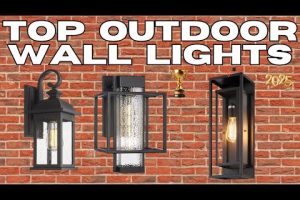
Exterior lighting is one of the most transformative investments you can make for your home, yet it remains vastly underestimated by most homeowners. Whether you are upgrading your curb appeal, enhancing security around your property, or simply creating a welcoming atmosphere for evening gatherings, the right outdoor lighting strategy can completely redefine how your space looks and feels. In this comprehensive guide, we will walk you through everything you need to know about exterior lighting — from fixture types and bulb technologies to smart systems and design principles that separate a mediocre setup from a truly professional-grade installation.
Why Exterior Lighting Matters More Than You Think
Most people think of exterior lighting as a simple on-off switch by the front door. But the reality is that well-designed outdoor lighting serves multiple critical purposes simultaneously. It boosts your home’s first impression, increases property value, deters intruders, and ensures safe navigation across walkways, driveways, and stairs after dark.
According to real estate professionals, homes with thoughtfully designed exterior lighting can sell up to five percent faster than those without. Beyond resale value, the psychological impact of a properly lit landscape should not be ignored. Lighting shapes how we perceive depth, texture, and color in our surroundings, turning an ordinary backyard into an extension of your living space.
If you are just getting started, focus on the basics: illumination at entry points, visibility along pathways, and coverage near potential entry vulnerabilities. These foundational layers create the framework for everything else you build on top.

Types of Exterior Lighting Fixtures and Their Best Uses

The variety of outdoor lighting fixtures available today is staggering, and choosing the right ones depends on your specific goals — security, aesthetics, or both. Below are the most common categories every homeowner should understand.
Pathway and Step Lights
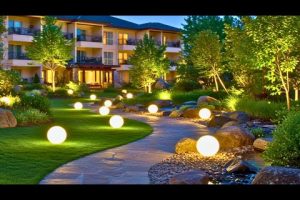
Low-profile path lights and deck step lights are essential for safety and guidance. They should be placed at consistent intervals along walkways, garden borders, and staircases. Look for fixtures with an IP65 rating or higher to ensure reliable performance through rain, snow, and humidity.
Floodlights and Wall-Mounted Sconces
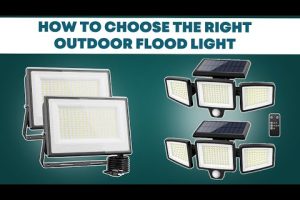
Floodlights deliver broad, high-intensity coverage ideal for driveways, garages, and large yard areas. Modern LED floodlights often come with adjustable beam angles and motion sensor compatibility. Wall-mounted sconces, on the other hand, provide targeted ambient light near entrances, porch ceilings, and patio walls, adding both function and architectural detail.
String Lights and Decorative Fixtures

For those who prioritize atmosphere, string lights, lantern-style fixtures, and landscape spotlights create warmth and visual interest. These are particularly effective on patios, pergolas, and above outdoor dining areas where mood matters as much as visibility.
Choosing the Right Bulb Technology for Outdoor Spaces
The bulb inside your fixture matters just as much as the fixture itself. Here is a detailed comparison of the three primary technologies used in exterior lighting today.
| Feature | LED | Halogen | CFL |
| Lifespan | 25,000–50,000 hours | 2,000–4,000 hours | 8,000–10,000 hours |
| Energy Efficiency | Excellent (up to 80% savings) | Poor (high heat output) | Good (moderate savings) |
| Color Temperature Range | 2200K–6500K | 2700K–3000K | 2700K–5000K |
| Weather Resistance | Superior with proper housing | Moderate | Poor in cold climates |
| Upfront Cost | Higher | Lower | Low |
| Long-Term Value | Excellent | Poor | Moderate |
LED technology has become the undisputed standard for exterior lighting, and for good reason. LEDs produce significantly less heat, consume a fraction of the energy, and last dramatically longer than older alternatives. When selecting bulbs, pay attention to color temperature — warm whites around 2700K–3000K create a cozy, inviting glow for residential exteriors, while 4000K–5000K options suit modern and minimalist designs.
Smart Exterior Lighting Systems: What You Need to Know
Smart lighting has revolutionized the way homeowners interact with their outdoor spaces. Systems like Philips Hue Outdoor, Ring Smart Lighting, and LIFX offer app-controlled dimming, scheduling, color changing, and integration with voice assistants like Alexa, Google Home, and Apple HomeKit.
Here are the key benefits of upgrading to a smart exterior lighting system:
- Automated scheduling — Lights turn on and off at sunset and sunrise without manual intervention.
- Motion-activated security — Receive instant alerts and trigger lights when motion is detected near doors or driveways.
- Remote control — Adjust any fixture from anywhere in the world using your smartphone.
- Scene presets — Save custom lighting moods for dinner parties, movie nights, or quiet evenings.
- Energy tracking — Monitor consumption per fixture and optimize for efficiency.
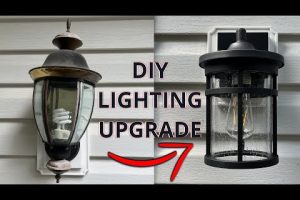
For homeowners on a budget, retrofitting existing fixtures with smart switches or smart bulbs is often the most cost-effective path. You do not need to replace every fixture to enjoy the benefits of automation and remote access.
Exterior Lighting Design Principles for Curb Appeal and Safety
Great exterior lighting follows a deliberate hierarchy. The best setups layer different types of light to create depth, balance, and visual interest. Here are the core principles professional designers rely on.
- Layered lighting — Combine ambient (general glow), task (functional illumination), and accent (highlighting architectural features or plants) for a complete effect.
- Avoid over-lighting — More is not always better. Excessive brightness creates glare and wastes energy. Aim for purposeful, targeted illumination.
- Use uplighting strategically — Directing light upward at trees, walls, or facades creates dramatic shadows and emphasizes texture.
- Maintain consistency — Keep color temperature and fixture style uniform across the property to avoid a disjointed look.
- Prioritize entry points — Front doors, garage entries, and side gates should always be well-lit for both aesthetic and safety reasons.
When planning your layout, sketch your property from a bird’s-eye view and identify dark zones first. These are the areas that need attention most. Then work outward, adding layers of light progressively rather than trying to illuminate everything at once.
Common Exterior Lighting Mistakes (and How to Avoid Them)
Even the best intentions can lead to frustrating results if you fall into common traps. Here are the mistakes homeowners make most frequently and how to correct them.
- Skipping weather-rated fixtures — Always verify the IP rating of any fixture exposed to the elements. IP65 is the minimum standard for outdoor use.
- Ignoring light pollution — Point lights downward wherever possible. Upward-facing fixtures waste light, disrupt wildlife, and bother your neighbors.
- Using incompatible transformers — Low-voltage systems (12V) require proper transformers rated for the total wattage of connected fixtures. Undersized transformers cause dimming and premature failure.
- Neglecting maintenance — Clean fixtures annually, replace degraded seals, and check wiring connections before seasonal changes.
- Choosing aesthetics over function — A beautiful fixture that does not deliver adequate light in the right direction defeats the purpose entirely.
Taking a methodical approach during the planning phase prevents nearly all of these issues. Measure your space, calculate your lighting needs, and invest in quality components that will withstand years of outdoor exposure.
Exterior Lighting FAQs
What is the best exterior lighting color temperature for homes?
Most residential exteriors look best with warm white light between 2700K and 3000K. This range mimics traditional incandescent warmth and complements natural stone, wood, and greenery beautifully. For modern or minimalist homes, a neutral white around 3500K can also work well.
How do I choose the right IP rating for outdoor fixtures?
For any fixture exposed to direct rain or moisture, select an IP65 rating or higher. IP65 means the fixture is fully dust-tight and protected against water jets. For fully submerged applications like pond lights, look for IP67 or IP68 ratings.
Can I install exterior lighting myself or should I hire a professional?
Simple tasks like installing plug-in path lights or swapping out smart bulbs are excellent DIY projects. However, hardwired systems, low-voltage installations requiring transformers, and any work involving electrical panels are best handled by a licensed electrician to ensure safety and code compliance.
What is the average cost of a professional exterior lighting installation?
Costs vary widely depending on the scope of the project, but homeowners typically spend between $1,500 and $5,000 for a professionally installed system covering pathways, entrances, and key landscape features. Basic kits with DIY installation can start as low as $200–$500.
How long do outdoor LED light fixtures typically last?
Quality LED outdoor fixtures, when properly maintained and protected from extreme weather, can last anywhere from 15 to 25 years. The LED bulb itself typically maintains 70% of its original brightness for approximately 50,000 hours of operation.
Are solar-powered exterior lights worth installing?
Solar lights are an excellent option for pathways, garden borders, and secondary areas where wiring is impractical. However, they generally produce less light and may not charge effectively in heavily shaded areas. They work best as a supplement to a primary wired system rather than a standalone solution for main security and task lighting.
Final Thoughts: Building Your Exterior Lighting Plan
Exterior lighting is not a one-size-fits-all solution. The best system for your home depends on your property’s layout, your landscaping features, your security needs, and your personal aesthetic preferences. Start with the essentials — well-placed entry lighting and safe pathway illumination — then expand outward with accent lights, smart controls, and decorative elements that reflect your style.
The investment pays dividends immediately in safety and curb appeal, and over the long term through energy savings and increased property value. Whether you are starting from scratch or upgrading an existing setup, the principles outlined in this guide will help you make informed decisions that deliver real results. Take your time planning, choose quality fixtures and bulbs, and enjoy the transformation that professional-grade exterior lighting brings to your home.