Exterior light fixtures are far more than simple illumination devices bolted to the side of a building. They define curb appeal, enhance safety, extend usable outdoor hours, and can even increase property value by a measurable margin. Whether you are upgrading a traditional porch light, designing landscape lighting for a sprawling garden, or specifying commercial-grade luminaires for a business entrance, understanding the full spectrum of available options is essential. In this guide, we walk through every major category of outdoor lighting, share practical buying and installation advice, and answer the most common questions homeowners and designers ask when tackling exterior illumination projects.
Types of Exterior Light Fixtures
The world of outdoor lighting has expanded dramatically in the last decade. Modern exterior light fixtures span dozens of styles, materials, and technologies. Below is a detailed breakdown of the most popular categories that dominate the market today.
1. Porch Lights and Entryway Fixtures
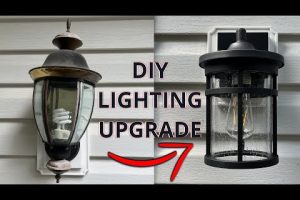
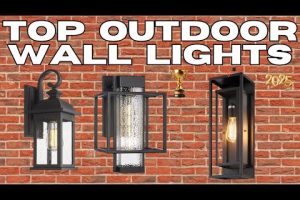
Porch lights serve as the first visual impression of any home. Traditional options include sconce-style wall lanterns, carriage lights, and classic dome fixtures. Contemporary entryway lights often feature clean geometric lines and finishes like matte black, brushed nickel, or oil-rubbed bronze. When selecting porch lighting, consider the scale of your door, the architectural style of your home, and the light distribution pattern — uplighting, downlighting, or all-around glow.
2. Landscape and Pathway Lights
Ground-recessed path lights, bollard fixtures, and stake-mounted spotlights are foundational elements of any well-designed yard. These fixtures guide foot traffic, highlight plantings, and create layered depth in outdoor spaces. LED landscape lights now offer warm color temperatures that rival the golden tones of halogen bulbs while consuming a fraction of the energy.
3. Floodlights and Security Lighting
Motion-activated floodlights and continuous-duty security luminaires are engineered for coverage, not aesthetics. Look for fixtures with adjustable beam angles, dusk-to-dawn photocells, and weatherproof ratings of IP65 or higher. Smart security lights that integrate with home automation platforms allow you to control intensity, scheduling, and alert settings from a smartphone.
4. Deck and Patio Lights

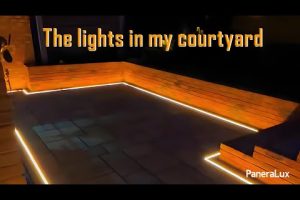
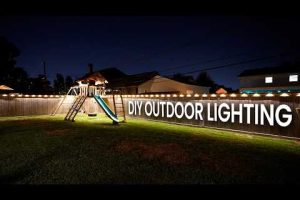
String lights, post-mounted deck lights, and recessed step lights transform outdoor living areas into extensions of the home. The key to great patio illumination is layering: combine ambient overhead light with task lighting for cooking areas and accent lights to highlight architectural features like retaining walls or water elements.
5. Post-Mount and Pedestal Lights

Tall post-mounted fixtures are ideal for driveways, gates, and pool areas. They provide directional light over larger zones and come in materials ranging from powder-coated aluminum to cast iron and marine-grade stainless steel for coastal environments.
How to Choose the Right Exterior Light Fixtures
Selecting outdoor lighting involves balancing several factors that go beyond visual preference. Here is a framework for making confident decisions.
- Climate and Weather Resistance: Always check the Ingress Protection (IP) rating. Fixtures rated IP44 or above are suitable for covered outdoor areas, while IP65 and IP67-rated luminaires can handle direct rain, snow, and hose-down exposure.
- Color Temperature: Warm white (2700K–3000K) creates a welcoming atmosphere for residential settings. Cool white (4000K–5000K) is better suited for security applications and commercial properties where visibility is paramount.
- Bulb Technology: LED exterior fixtures dominate the market now due to their long lifespan (typically 25,000–50,000 hours), low heat output, and dimmable compatibility. Avoid older incandescent or compact fluorescent options for permanent installations.
- Finish and Material: Aluminum and stainless steel resist corrosion best. Brass develops a natural patina over time, which many homeowners find appealing. Powder-coated steel offers a budget-friendly option but inspect the coating quality carefully.
- Dark Sky Compliance: Many municipalities now require fixtures that minimize upward light spill. Look for full-cutoff designs that direct light downward, reducing light pollution and glare for neighbors.
Installation Best Practices for Exterior Light Fixtures
Proper installation is what separates a temporary fix from a reliable, long-lasting outdoor lighting system. Keep these expert recommendations in mind.
- Use outdoor-rated electrical boxes: Never install exterior fixtures in standard indoor junction boxes. Wet-location boxes are sealed to prevent moisture intrusion at the connection point.
- Seal all connections with silicone or weatherproof tape: Even with weather-resistant fixtures, exposed wire nuts are a failure point over time. Silicone-filled wire nuts add a critical layer of protection.
- Install a dedicated outdoor circuit: Running exterior lights on a circuit with indoor loads can trip breakers and create safety hazards. A dedicated GFCI-protected circuit is the safest approach.
- Consider low-voltage systems for landscape lighting: A 12V transformer keeps voltage drop manageable across long wire runs and eliminates shock risk in wet soil conditions.
- Mount fixtures at the correct height: Porch lights should hang 66–72 inches above the ground. Path lights work best at 12–18 inches. Security floodlights should be mounted 8–10 feet high for optimal coverage without creating blind spots.
Comparison of Popular Exterior Light Fixture Categories
The table below summarizes key attributes of the most common fixture types to help you compare at a glance.
| Fixture Type | Primary Use | Typical Material | Avg. Lifespan | Price Range |
| Porch Sconce | Entryway illumination | Aluminum, brass | 15–25 years | $40–$200 |
| LED Floodlight | Security, wide-area coverage | Polycarbonate, aluminum | 20–30 years | $25–$150 |
| Pathway Light | Garden, walkway guidance | Stainless steel, copper | 10–20 years | $15–$80 |
| Deck Post Light | Patio, deck perimeter | Cast aluminum, resin | 12–22 years | $30–$120 |
| String Lights | Ambient patio decoration | Plastic, weatherproof bulb | 3–8 years | $20–$100 |
| Bollard Light | Driveway, landscape borders | Powder-coated steel, stone | 15–30 years | $60–$300 |
Maintenance Tips to Extend the Life of Outdoor Lighting
Exterior fixtures endure constant exposure to ultraviolet radiation, rain, temperature swings, and in coastal areas, salt air. A simple maintenance routine dramatically extends their functional life.
- Clean fixtures quarterly: Wipe down globes and lenses with a mild soap solution to remove dirt, pollen, and insect buildup that reduces light output.
- Inspect seals annually: Check gaskets and silicone seals on fixtures for cracks or degradation. Replace worn seals before moisture enters the housing.
- Replace bulbs proactively: Even LEDs dim gradually over thousands of hours. If you notice a fixture producing noticeably less light, replacing the LED module or entire fixture is more cost-effective than leaving a dim unit in place.
- Tighten mounting hardware seasonally: Thermal expansion and contraction can loosen screws and brackets. A quick check in spring and fall prevents fixtures from swaying or pulling away from walls.
- Apply penetrating oil to moving parts: If your fixture has an adjustable shade or swivel head, a drop of penetrating oil keeps the mechanism smooth and prevents seizing.
Final Thoughts on Exterior Light Fixtures
The right exterior lighting strategy transforms any property from ordinary to extraordinary. By matching fixture types to specific functional zones — entryways, pathways, security perimeters, and gathering areas — you create an outdoor environment that is both beautiful and purposeful. Invest in quality LED fixtures with strong weather ratings, pay attention to installation details, and maintain your system consistently. The return on investment comes not just in enhanced property aesthetics, but in added safety, security, and the simple pleasure of enjoying your outdoor spaces well into the evening hours.
Frequently Asked Questions
What are the best exterior light fixtures for energy efficiency?
LED-based fixtures are the undisputed leaders in energy efficiency for outdoor lighting. They consume up to 80% less electricity than traditional incandescent bulbs and last significantly longer. Look for fixtures bearing the ENERGY STAR certification, which guarantees both performance benchmarks and long-term reliability in outdoor conditions.
How do I choose the right finish for my exterior light fixtures?
Your choice should align with your home’s exterior materials and your local climate. Matte black and satin nickel are versatile and modern, working with most architectural styles. Brass suits traditional and Mediterranean-style homes. For coastal or high-humidity areas, marine-grade stainless steel or powder-coated aluminum offers superior corrosion resistance compared to untreated metals.
Can I install exterior light fixtures myself, or should I hire an electrician?
Simple replacements like swapping a porch sconce or changing a deck post light are manageable for confident DIYers, provided you turn off the circuit breaker and follow local electrical codes. However, new circuit installations, low-voltage transformer setups, and hardwired security light systems are best handled by a licensed electrician to ensure code compliance and long-term safety.
What does IP rating mean for outdoor light fixtures?
IP stands for Ingress Protection, and the rating tells you how well a fixture resists solid objects and water. The first digit indicates dust protection (6 means completely dust-tight), while the second digit indicates water resistance (5 means protected against water jets, and 6 means protected against powerful water jets and temporary immersion). For any fixture exposed to direct weather, choose IP65 or higher.
Are smart exterior light fixtures worth the investment?
Smart outdoor lights offer substantial convenience and energy savings. Features like motion-triggered activation, scheduling through smartphone apps, and integration with voice assistants allow you to control security lighting without physical interaction. Brands like Ring, Philips Hue Outdoor, and LIFX offer reliable options, though initial costs run slightly higher than standard fixtures. The payback in reduced electricity usage and added security features typically justifies the investment within a few years.