Every serious photographer knows that mastering light is the foundation of great photography. Whether you are shooting a dramatic portrait on a dimly lit studio set, capturing the golden hour on a rugged landscape, or working with complex studio lighting rigs, having precise exposure control separates a good image from a masterpiece. While modern cameras come equipped with built-in reflective meters that do a decent job in most situations, they are not always reliable. A handheld light meter for photography solves this problem by giving you direct, independent readings of the light falling on your subject—rather than the light reflecting off it. This tool has been a staple in the bags of wedding photographers, cinematographers, fashion shooters, and studio professionals for decades. In this guide, we will explore everything you need to know about choosing, using, and getting the most out of a handheld incident and reflected light meter.
What Is a Handheld Light Meter and Why Does It Matter?
A handheld light meter is a portable, battery-powered device designed to measure the intensity and quality of light in a scene. Unlike your camera’s built-in meter, which relies on reflected light readings through the lens, an external meter can capture incident light—the light that actually falls on your subject. This fundamental difference makes handheld meters exceptionally accurate, especially in challenging lighting conditions where reflective metering can be easily fooled by bright backgrounds, dark surfaces, or high-contrast scenes.
For photographers working in environments where precision matters—studio portrait sessions, product photography, cinematography, and architectural interiors—a handheld meter eliminates guesswork. You no longer have to bracket shots hoping one exposure lands correctly. Instead, you get a precise f-stop and shutter speed combination every single time.
How Handheld Light Meters Work

Understanding the mechanics behind these devices helps you use them more effectively. Most professional handheld meters offer two primary measurement modes:
- Incident Metering: The meter’s white, dome-shaped diffuser faces the camera and measures the light falling on the subject. This gives you a balanced exposure reading regardless of the subject’s color, reflectivity, or tonal value.
- Reflected Metering: The meter measures the light bouncing off the subject, similar to your camera’s internal meter. This mode is useful when you need to measure specific areas within a scene or when working with spot metering setups.
- Flash Metering: Many advanced handheld meters can also measure brief bursts of flash output, making them indispensable for studio strobe work and off-camera flash photography.
The device reads luminance values and calculates the optimal exposure settings based on the ISO, aperture, and shutter speed parameters you input or that it detects automatically.
Types of Handheld Light Meters for Photographers
Not all light meters are created equal. They fall into different categories based on their capabilities and target use cases.
Incident-Only Meters
These are the most basic and affordable handheld meters. They measure incident light using the dome diffuser and are perfect for photographers who primarily work in controlled environments like studios or on location shoots where consistent lighting setups are used.
Reflected Light Meters with Spot Metering
These meters include a narrow viewfinder that allows you to isolate a specific portion of the scene. Cinematographers and landscape photographers frequently use spot metering to precisely control exposure for highlights, shadows, or specific tonal zones within the frame.
Combination Meters with Flash Capability
The most versatile handheld meters combine incident, reflected, and flash metering in a single unit. They often include additional features like color temperature measurement, cumulative flash exposure readings, and wireless connectivity for tethering to mobile apps or editing software.
Key Features to Look For When Choosing a Handheld Light Meter
When shopping for the best handheld light meter, consider the following features to ensure you get a tool that matches your workflow:
- Measurement Modes: Look for at least incident, reflected, and flash metering capabilities for maximum versatility.
- ISO Range and Compatibility: Ensure the meter supports your camera’s ISO range and can sync with various film speeds if you shoot analog as well.
- Color Temperature Display: Measured in Kelvin, this feature helps you set your white balance accurately before shooting.
- Flash Sync Speed Detection: Critical for studio photographers using electronic flash or strobe systems.
- Memory and Data Logging: Advanced meters store previous readings, making it easier to compare and replicate lighting setups across multiple shots or sessions.
- Build Quality and Durability: A rugged, well-constructed housing ensures your meter withstands fieldwork, studio use, and daily transport.
- Display Readability: A backlit LCD or large analog needle display makes readings easy to interpret in bright outdoor conditions or dimly lit environments.
Top Handheld Light Meters Compared
To help you narrow down your options, here is a comparison of some of the most respected handheld light meters currently available.
| Meter Model | Measurement Modes | Flash Metering | Color Temp (K) | Price Range |
| Sekonic L-858D-U | Incident, Reflected, Flash, Spot | Yes (Cumulative) | Yes | $$ |
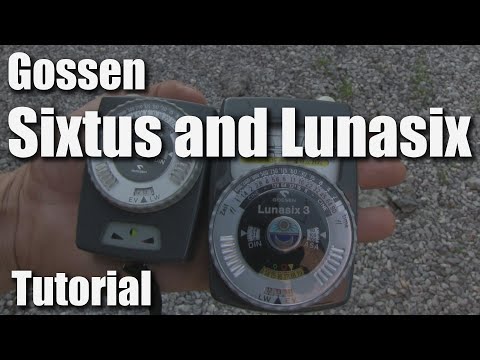
| Gossen DigiSix II | Incident, Reflected, Flash | Yes | Yes | $ |
| Kenko KFM-1100 | Incident, Reflected, Flash | Yes | No | $ |
| Sekonic L-308X-U | Incident, Reflected, Flash | Yes | No | $ |
The Sekonic L-858D-U is widely regarded as the gold standard for professional photographers and cinematographers. Its cumulative flash metering and color temperature display make it ideal for complex multi-light setups. The Gossen DigiSix II offers excellent value with its compact design and intuitive interface. For budget-conscious photographers, the Kenko KFM-1100 delivers reliable core metering at a very accessible price point.
Expert Tips for Getting the Most from Your Handheld Light Meter
Even the best handheld meter will give you inconsistent results if you do not use it correctly. Here are practical tips from experienced photographers who rely on these devices daily.
- Always measure incident light at your subject’s position. Place the dome diffuser facing the camera and stand as close to your subject as possible without casting a shadow on the dome. This ensures the reading reflects the true lighting conditions on your subject.
- Use the gray card trick for reflected readings. If you prefer measuring reflected light, place an 18% gray card in your subject’s position and meter off that surface. This gives you a balanced exposure equivalent to incident metering.
- Bracket slightly in extreme contrast. Even with a handheld meter, scenes with extreme dynamic range—like sunsets or backlit portraits—may benefit from a half-stop bracket on either side of your metered reading.
- Calibrate regularly. Keep your meter’s firmware updated and check its accuracy periodically against a known reference or by cross-checking with your camera’s histogram.
- Use spot metering for film cinematography. When shooting on motion picture film, spot metering allows you to precisely place highlights and shadows on specific zones of the tonal scale, giving you complete creative control over your exposure latitude.
Who Benefits Most from Using a Handheld Light Meter?
While any photographer can benefit from using one, certain specialties gain the most value from this tool. Wedding photographers use them to balance ambient window light with off-camera flash. Studio portrait shooters rely on them to set consistent lighting ratios across multiple frames. Cinematographers and videographers use handheld meters to match exposure and color temperature across different camera setups and shooting days. Product photographers depend on them for precise, repeatable exposures in controlled environments where even minor exposure errors are visible in the final image. Landscape photographers also find them invaluable when shooting in high-contrast conditions where the camera’s reflective meter struggles.
Handheld Light Meters vs. Camera-Built-In Meters
It is important to understand the differences between a dedicated handheld meter and your camera’s internal metering system. Built-in meters are convenient and always ready, but they measure reflected light and assume the scene averages to a middle gray. This assumption fails in snow scenes, black cat photography, backlit compositions, and studio setups with colored backgrounds. A handheld meter bypasses these limitations by measuring the actual light quantity in the scene, giving you an objective reading that your camera’s algorithm cannot replicate.
Frequently Asked Questions
Do I Need a Handheld Light Meter If My Camera Has a Built-In Meter?
Not necessarily, but if you consistently struggle with exposure accuracy—especially in high-contrast scenes, studio environments, or mixed lighting setups—a handheld meter provides a level of precision that built-in reflective metering simply cannot match. It removes the guesswork and gives you repeatable, reliable results every time.
Can a Handheld Light Meter Be Used for Video and Cinematography?
Absolutely. Many handheld meters are specifically designed for cinematographers and include features like cumulative flash metering, frame-rate-based exposure calculations, and color temperature readouts. Directors of photography use them on set to ensure consistent exposure across different cameras, lenses, and lighting setups throughout a production.
What Is the Difference Between Incident and Reflected Metering on a Handheld Meter?
Incident metering measures the light falling on your subject by using a white dome diffuser facing the light source. Reflected metering measures the light bouncing off your subject and toward the meter. Incident readings are generally more accurate for exposure because they are not influenced by the subject’s color or reflectivity, while reflected readings let you target specific areas of interest within a scene.
Are Expensive Handheld Light Meters Worth the Investment?
For professionals who depend on consistent, repeatable exposure in commercial, editorial, or cinematic work, a high-end meter like the Sekonic L-858D-U pays for itself in saved reshoots, faster workflow, and superior image quality. Hobbyists and enthusiasts may find a mid-range meter or even a smartphone light meter app sufficient, but serious photographers will notice the difference in accuracy and reliability.
How Do I Maintain and Calibrate My Handheld Light Meter?
Keep the dome diffuser clean and free of scratches, as any damage affects accuracy. Store the meter in a protective case when not in use, and replace batteries regularly to prevent corrosion. For professional calibration, some manufacturers offer factory servicing, and you can also cross-check your meter readings against a calibrated reference monitor or a trusted exposure tool in controlled lighting conditions.
Final Thoughts
A handheld light meter for photography is one of the most underrated yet powerful tools in any photographer’s kit. It bridges the gap between your creative vision and technical precision, giving you the confidence to tackle any lighting situation with full control over your exposure. Whether you are a studio portrait specialist, a cinematic videographer, a wedding photographer working with mixed ambient and flash lighting, or a dedicated landscape shooter chasing the perfect golden hour exposure, investing in a quality handheld meter elevates your craft to a professional level. The precision, speed, and reliability it provides are unmatched by any built-in camera system. If you have not yet made the switch from relying solely on your camera’s reflective meter to a dedicated external light measurement tool, now is the perfect time to explore what a handheld meter can do for your photography.