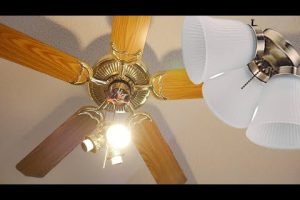
When you walk into a room, the first thing that usually catches your eye isn’t the paint on the walls or the furniture arrangement—it’s the lighting. And when it comes to combining airflow with illumination, ceiling fan light fixtures stand as the ultimate dual-purpose centerpiece. Gone are the days when a fan light kit was just an afterthought, a basic plastic housing that threw harsh, yellowish light into the corner of the room. Today, the modern ceiling fan light fixture is a design statement, a mood setter, and a crucial element in creating the perfect atmosphere of any living space. This guide dives deep into everything you need to know about these essential home fixtures.
Why Your Ceiling Fan Light Fixture Matters More Than You Think
Many homeowners treat the lighting component of their ceiling fan as an insignificant add-on, but nothing could be further from the truth. The right ceiling fan light fixture does more than just keep you from bumping into furniture in the dark; it fundamentally alters the perception of space, temperature, and comfort in a room. Lighting has a profound psychological impact on how we feel in our environments, and integrating it seamlessly with an air-circulating fan creates a holistic approach to room climate control.
Beyond Just Illumination
A ceiling fan light fixture serves as the primary task lighting or ambient lighting for many spaces, especially in rooms where overhead recessed lights do not exist. If you are reading beneath the fan, the quality of light emitted by your ceiling fan light fixture directly impacts your eye strain and overall comfort. Furthermore, a well-chosen fixture can highlight architectural details, acting as a visual anchor that makes ceilings appear taller and spaces feel more expansive.
Setting the Room’s Ambiance
The ambiance of a room is largely dictated by its lighting. By selecting a ceiling fan light fixture that aligns with your interior design theme, you can instantly shift the mood of a space. A fixture with a frosted glass globe and warm LED bulbs creates a cozy atmosphere perfect for a bedroom, while a sleek, metallic fixture with bright, cool light is ideal for a kitchen where visibility is paramount.
How to Choose the Perfect Ceiling Fan Light Fixture
Selecting the right ceiling fan light fixture requires balancing aesthetic desires with practical, measurable criteria. It involves understanding room dimensions, lighting needs, and electrical capabilities. Here are the critical factors you must consider before making your purchase.
Matching the Fixture Size to Your Room
One of the most common mistakes is installing a fixture that is either too small or disproportionately large for the room. A ceiling fan light fixture that is too small will look lost and fail to provide adequate illumination, while an oversized fixture can overwhelm the space. As a general rule of thumb, the diameter of the fixture should correspond to the square footage of the room. For smaller spaces, a flush mount fixture is ideal, whereas larger living rooms can accommodate wide-span models.

Light Source Technologies: Embracing LED
When evaluating ceiling fan light fixtures, the type of light source integrated into the design is the most important technical specification. Traditional incandescent bulbs consume vast amounts of energy and generate excessive heat, which can be dangerous when housed inside a fan motor housing. Modern LED-integrated ceiling fan light fixtures are the gold standard for energy efficiency, offering a significantly longer lifespan and producing very minimal heat. Look for fixtures that support dimmable LED technology, allowing you to adjust the brightness to suit any time of day or evening activity.
Types of Ceiling Fan Light Fixtures by Mounting Style
Understanding the different mounting styles available for ceiling fan light fixtures is essential for ensuring proper installation and optimal performance. The mounting style dictates how the fixture attaches to the ceiling and influences airflow dynamics and light distribution.
Flush Mount vs. Downrod Options
Flush mount ceiling fan light fixtures sit directly against the ceiling, making them perfect for rooms with low ceiling heights. Because there is no downrod extending below the ceiling, these fixtures maximize vertical space and prevent accidental bumps. They are particularly popular in hallways and compact bedrooms. For rooms with standard or high ceilings, downrod and extended downrod ceiling fan light fixtures are the superior choice, suspending the fan and light further below the ceiling to optimize both airflow and illumination.
Modern and Contemporary Styles
Today’s ceiling fan light fixture designs range from minimalist industrial metal shades to elegant woven rattan pulls and classic crystal accents. Modern styles often feature clean lines and integrated LED technology, while traditional options might include decorative glass globes or brass finishes. Choosing a style that reflects your personal taste ensures that your fixture not only functions well but also enhances the overall aesthetic of your home interior.
Comparing Mounting Styles for Ceiling Fan Light Fixtures
Choosing the correct mounting style is a crucial step in your selection process. The following comparison table outlines the differences between the primary mounting options based on room requirements.
| Mounting Style | Best For | Ceiling Clearance Required | Light Distribution |
| Flush Mount | Low ceilings, hallways | Minimal (sits flat) | Concentrated, often with uplight |
| Standard Downrod | Standard 8-foot ceilings | 7 to 8 feet | Wide, even ambient spread |
| Extended Downrod | Vaulted or cathedral ceilings | 9 feet or more | Deep, targeted illumination |

Step-by-Step Guide to Installing a Ceiling Fan Light Fixture
Installing a ceiling fan light fixture, whether it is a brand-new unit or a replacement light kit, requires a methodical approach to ensure safety and functionality. Always remember to turn off the power at the circuit breaker before beginning any electrical work. Here is a detailed breakdown of the process.

Preparing the Electrical Box
Before you even touch the wires, you must ensure that your electrical box is rated to support the weight of a ceiling fan light fixture. Standard light fixtures use a basic box, but fans exert significant rotational force and downward pressure. If your box is not fan-rated, you must upgrade it to a sturdy, secure mounting bracket. Ensure there is no wobble, as a solid base is the foundation of a safe and long-lasting installation.
Wiring the Light Kit
Once the mounting bracket is secure, you can begin connecting the wiring. Match the black wire from the house to the black wire from the fan light kit, and connect the white wires together. The green or bare copper wire should be attached to the grounding screw on the mounting bracket. Use wire nuts to secure each connection and wrap them with electrical tape for added safety. Tuck the wires neatly into the box before attaching the fixture canopy.
Pro Tips for Maximizing Your Fan-Light Setup
Installing your ceiling fan light fixture is only half the battle; optimizing its performance is what truly elevates your home’s comfort.
- Install a Smart Switch: Smart switches allow you to control your ceiling fan light fixture remotely via a smartphone app or voice commands, adding immense convenience.
- Use Dimmable Bulbs: Installing dimmable LED bulbs in your ceiling fan light fixture gives you complete control over the brightness, allowing you to transition seamlessly from a bright working environment to a relaxing evening setting.
- Regular Dusting: Fan blades and light fixtures accumulate dust rapidly, which reduces light output and airflow. Clean your ceiling fan light fixture weekly with a microfiber duster to maintain peak performance.
Frequently Asked Questions About Ceiling Fan Light Fixtures
How do I know if my ceiling box can support a ceiling fan light fixture? This is the most critical safety question before installation. You cannot safely hang a ceiling fan light fixture from a standard plastic light box. You must look for a fan-rated electrical box, which is specifically engineered to handle the dynamic weight and rotational pull of a spinning fan. These boxes are typically marked with a “Fan-Rated” label and secured directly to a ceiling joist. If unsure, consult a licensed electrician, as improper mounting is a serious hazard.
Can I replace a ceiling fan light fixture without replacing the entire fan? Absolutely. In many cases, you do not need to replace the entire fan just because the light kit is outdated or damaged. Most modern ceiling fan light fixtures are designed as modular components. You can purchase a universal replacement light kit or a manufacturer-specific upgrade kit. The process usually involves disconnecting the old light kit wiring, removing the old housing, and connecting the new kit according to the manufacturer’s instructions.
What is the best LED bulb type for a modern ceiling fan light fixture? When selecting bulbs for your ceiling fan light fixture, always opt for LED bulbs with an Edison base, as they are the standard for most fan light kits. Look for bulbs with a color temperature between 2700K and 3000K for a warm, inviting glow suitable for living spaces, or 3500K to 4000K for task-oriented areas like kitchens.
How do I prevent a ceiling fan light fixture from flickering? Flickering in a ceiling fan light fixture is a common annoyance that usually stems from a few simple sources. First, check if the LED bulbs are loose in their sockets; a half-turn can often resolve the issue. If the bulbs are tight, the problem might be incompatible dimmer switches, as older incandescent dimmers do not work well with modern LED technology.
Are smart ceiling fan light fixtures worth the investment? Smart ceiling fan light fixtures represent the cutting edge of home automation and are highly worth the investment for those looking to enhance their living space’s convenience and energy efficiency. You can schedule the lights to turn on at sunset, adjust the brightness from your couch, and even set routines where the fan and light turn off automatically when you leave the house.
Your ceiling fan light fixture is much more than just a functional necessity; it is the heart of your room’s design and lighting strategy. By carefully considering factors like room size, mounting style, light source technology, and installation safety, you can select a fixture that enhances both the aesthetic appeal and the everyday comfort of your home. Whether you are upgrading to a sleek, modern LED model or simply learning how to replace a worn-out light kit, the knowledge you gain from this guide empowers you to make confident, informed decisions. Take the time to evaluate your space, invest in quality, and enjoy the perfect blend of comfort, style, and illumination that only the right ceiling fan light fixture can provide.