


Automatic house lights have completely transformed the way homeowners interact with their living spaces. Gone are the days when flipping a wall switch was the only way to illuminate a room. Today, smart lighting automation integrates sensors, timers, motion detection, and voice control to create an intuitive, energy-efficient home environment. Whether you are a tech enthusiast building a fully connected smart home or a homeowner simply looking to reduce electricity bills and enhance security, automatic lighting systems offer a practical, scalable solution. In this comprehensive guide, we will explore everything from the foundational technology behind these systems to expert-level installation strategies that will help you make informed decisions for your household.
What Are Automatic House Lights and How Do They Work?
At their core, automatic house lights are lighting fixtures and systems that activate, dim, or change color without requiring manual intervention. These systems rely on a combination of smart sensors, pre-programmed schedules, and connectivity protocols such as Wi-Fi, Zigbee, Z-Wave, and Bluetooth to respond intelligently to environmental cues or user commands.
The brain behind most automated lighting setups is a central hub or smart controller. This hub communicates with individual smart bulbs, smart switches, and sensor modules distributed throughout the home. When a motion sensor detects movement in a hallway, for instance, it sends a signal to the hub, which then triggers the connected lights to turn on at a predetermined brightness level. Similarly, photocell sensors measure ambient daylight and automatically switch on interior or exterior lights when natural light drops below a set threshold.
Modern automated lighting systems can also integrate with broader home automation ecosystems like Amazon Alexa, Google Home, Apple HomeKit, and Samsung SmartThings. This interoperability means your lights can respond not just to motion or time, but also to your location (geofencing), daily routines, weather conditions, and even other connected devices like smart thermostats or security cameras.
Types of Automatic Lighting Systems for Homes
Understanding the different categories of automated house lighting is essential for choosing the right setup. Each type serves a distinct purpose and appeals to different homeowner needs and budgets.
Motion-Activated Lighting Systems
Motion-activated lights are among the most popular forms of automated residential lighting. These systems use passive infrared (PIR) sensors or microwave sensors to detect movement within a defined radius. They are particularly effective for:
- Outdoor security lighting along driveways and entryways
- Bathroom and hallway lights that turn on when someone enters
- Garage and basement illumination triggered by occupancy
- Energy savings by ensuring lights are only on when needed
Scheduled and Timer-Based Lighting
Timer-controlled smart lights allow homeowners to program exact on/off schedules. These systems are ideal for creating the illusion of occupancy when you are away from home, deterring potential intruders. Many Wi-Fi smart bulbs from brands like Philips Hue, LIFX, and Wyze come with companion apps that make scheduling effortless.
Ambient Light and Daylight Harvesting Systems
Daylight harvesting is an advanced automation strategy where light sensors continuously monitor natural light levels and adjust artificial lighting accordingly. These systems are increasingly common in energy-efficient homes and commercial buildings, helping homeowners reduce reliance on electric lighting during daylight hours.
Voice-Controlled and Scene-Based Lighting
Voice-activated smart lights let you control your entire lighting setup using spoken commands. Beyond simple on/off control, you can activate predefined lighting scenes — such as “Movie Night,” “Morning Wake-Up,” or “Dinner Party” — that instantly adjust brightness, color temperature, and hue across multiple rooms simultaneously.
Key Benefits of Installing Automatic House Lights
The advantages of smart automated lighting extend far beyond convenience. Here is a breakdown of the most compelling benefits:
- Energy Efficiency and Cost Savings — Automatic lights eliminate wasted electricity by ensuring lights are only active when needed. Studies show that automated lighting can reduce household energy consumption by up to 30%.
- Enhanced Home Security — Simulated occupancy through scheduled and motion-triggered lighting makes your home appear lived-in, even when you are on vacation.
- Accessibility and Convenience — For elderly individuals, children, or people with mobility challenges, automated lights remove the need to navigate dark rooms or reach wall switches.
- Mood and Circadian Rhythm Support — Many smart systems support tunable white light that shifts from cool, energizing tones in the morning to warm, calming hues in the evening, supporting better sleep quality.
- Increased Property Value — A fully integrated smart home lighting system is a desirable feature for modern homebuyers, adding measurable resale value.
Top Automatic Lighting Brands and Technologies Compared
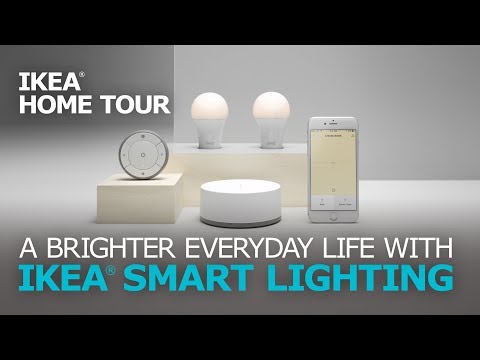
Choosing the right brand and ecosystem is a critical decision. The table below compares the leading smart lighting platforms based on key criteria homeowners care about most.
| Brand / Platform | Connectivity | Voice Assistant Support | Color Options | Price Range | Best For |
| Philips Hue | Zigbee, Wi-Fi | Alexa, Google, Siri | 16 million colors | $-$$ | Full home automation enthusiasts |
| LIFX | Wi-Fi (no hub needed) | Alexa, Google, Siri | 16 million colors | $-$$ | Hub-free, high-brightness setups |
| Wyze Bulb | Wi-Fi | Alexa, Google | Warm to cool white | $ | Budget-conscious smart lighting |
| Lutron Caseta | Proprietary, Wi-Fi via bridge | Alexa, Google, Siri | Dimmable white only | $-$$ | Reliable dimming and switch control |
| TP-Link Kasa | Wi-Fi | Alexa, Google | Warm to cool white | $ | Affordable smart switches and bulbs |
When evaluating these options, consider whether you need a hub-based system or a direct Wi-Fi solution. Hub-based systems like Philips Hue offer greater device capacity and more stable connections, while Wi-Fi-only options like LIFX and Wyze eliminate the need for an extra device but can strain your router in larger homes.
How to Choose the Right Automatic Lighting System for Your Home
Selecting the best smart lighting automation setup depends on several practical factors. Start by assessing the size of your home, the number of rooms you want to automate, and your budget. Larger homes typically benefit from hub-based ecosystems because a single Wi-Fi router may struggle to manage dozens of connected bulbs.
Next, think about compatibility. If you already own an Amazon Echo or Google Nest device, choosing a platform that integrates seamlessly with your existing assistant saves time and reduces friction. Apple HomeKit users should prioritize systems with native Siri support, such as Philips Hue or Lutron.
Consider your long-term goals too. If you plan to build a comprehensive home automation ecosystem that includes smart locks, cameras, and thermostats, investing in a flexible platform with strong third-party integration now will pay off significantly later.
Expert Tips for Maximizing Your Automatic Lighting Setup

Even the best automated lighting system underperforms without thoughtful configuration. Here are proven expert recommendations to get the most out of your setup:
- Layer your lighting. Combine overhead fixtures, accent lights, and task lighting under separate automation rules so each zone can be controlled independently.
- Use gradual dimming for wake-up routines. Program lights to slowly increase brightness over 15 minutes in the morning to mimic a natural sunrise and support your circadian rhythm.
- Set fade durations. Avoid abrupt on/off transitions by setting fade-in and fade-out times of 1-3 seconds for a smoother, more natural experience.
- Integrate with weather data. Many advanced systems can pull weather forecasts and trigger exterior lights when rain or low visibility is detected.
- Create away-from-home modes. Design a single automation routine that randomly turns lights on and off in different rooms when you are away, enhancing security without manual effort.
- Keep firmware updated. Regularly update your hub, bulbs, and app software to ensure optimal performance, security patches, and access to new features.
Conclusion
Automatic house lights represent one of the most impactful upgrades any homeowner can make. From reducing energy costs and improving security to adding everyday convenience and aesthetic appeal, the benefits are tangible and immediate. The technology has matured to the point where smart lighting automation is no longer a luxury reserved for tech-savvy early adopters — it is an accessible, affordable, and deeply practical investment for every household. Start small with a few smart bulbs or a motion-sensor system, then gradually expand as you discover the possibilities. The smartest home is the one that works for you, even when you do not think about it.
Frequently Asked Questions
1. How much does it cost to install automatic house lights?
The cost varies widely depending on scale and brand. A basic motion-activated light setup for a single room can start as low as $20-$50 for a smart bulb and sensor. A whole-home smart lighting system with a central hub, multiple smart switches, and dozens of bulbs can range from $300 to $1,500 or more. DIY installation keeps costs minimal, while professional setup for complex integrated systems may add $500-$2,000 in labor.
2. Can I set up automatic lights without a smart hub?
Yes. Many Wi-Fi-enabled smart bulbs from brands like LIFX, Wyze, and TP-Link Kasa connect directly to your home router without requiring a separate hub. However, hub-based systems like Philips Hue and Lutron Caseta offer superior device capacity, lower network strain, and often better response times for larger installations.
3> Do automatic house lights really save energy?
Absolutely. Automated lighting controls eliminate the single biggest source of lighting waste: lights left on in unoccupied rooms. Combined with LED smart bulbs that use 75-80% less energy than traditional incandescent bulbs, a well-configured smart lighting system can significantly reduce your monthly electricity bill and environmental footprint.
4. Are automatic lights compatible with existing light fixtures and switches?
In most cases, yes. Smart bulbs screw directly into existing sockets and work with standard fixtures. Smart switches replace your existing wall switches and work with both smart and non-smart bulbs. Always verify compatibility with your fixture type — especially with dimmable LED setups, which may require a compatible smart switch to avoid flickering.
5. What happens during a power outage with automatic lighting systems?
Most automated lighting systems will reset when power returns. Wi-Fi and hub-based systems may require a brief reconnection period. Some smart switches retain their last state and restore it automatically, while smart bulbs will typically turn off after a power loss and return to their previous schedule once power is restored. Investing in a UPS (uninterruptible power supply) for your hub ensures minimal disruption during outages.