Garden light design has evolved from simple porch bulbs into a sophisticated outdoor lighting discipline that transforms ordinary yards into stunning nighttime landscapes. Whether you are a first-time homeowner looking to improve curb appeal or a seasoned gardener planning a full outdoor renovation, the right outdoor lighting choices can elevate your entire property. Understanding the nuances of garden light selection, placement, and technology helps you create an atmosphere that is both functional and visually captivating. This comprehensive guide walks you through every aspect of garden illumination, from the basic types of fixtures available to advanced strategies professionals use to achieve cinematic outdoor effects.
What Are Garden Lights and Why Do They Matter?
Garden lights refer to any illumination fixture designed specifically for outdoor landscapes, including pathways, flower beds, trees, patios, and architectural features. These fixtures serve a dual purpose: they enhance safety by illuminating potential hazards like steps and uneven terrain, and they dramatically boost the aesthetic appeal of your property after dark. A well-planned lighting scheme extends your usable outdoor hours, creates visual depth, and highlights the best features of your landscaping. Research consistently shows that homes with professional-grade outdoor lighting sell faster and at higher prices than those without, making garden lights a smart investment rather than a mere luxury.
Types of Garden Lights You Should Know
Not all garden lights are created equal. The market offers several distinct categories, each suited to different purposes, aesthetics, and budgets. Understanding what each type delivers helps you make informed decisions for your specific outdoor space.
1. Solar Garden Lights
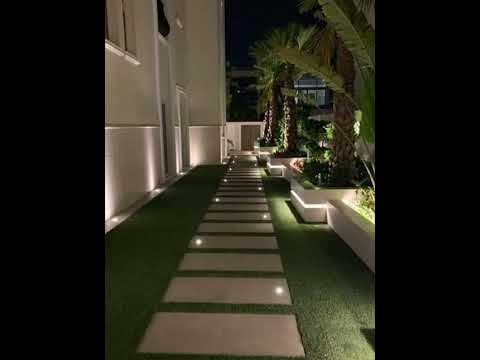
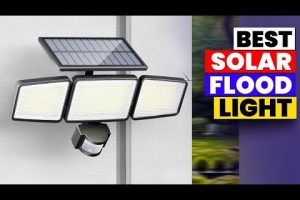
Solar-powered garden lights have surged in popularity because they require no wiring and operate independently from your electrical grid. These fixtures capture sunlight during the day through small photovoltaic panels and store energy in rechargeable batteries that power LED bulbs at night. They are ideal for homeowners who want a quick, no-hassle installation. Modern solar garden lights now feature improved battery capacity and brighter LED chips, closing the gap with wired alternatives significantly.
2. Low-Voltage LED Garden Lights
Low-voltage systems operate at 12 volts and use a transformer to step down standard household current. LED garden lights in this category are energy-efficient, long-lasting, and available in warm, cool, and color-changing options. They are the backbone of most professional landscape lighting designs because they offer consistent brightness and precise control over beam angles and color temperature.
3. Hardwired Line-Voltage Garden Lights
These fixtures connect directly to your home’s 120-volt electrical system and deliver maximum brightness. Line-voltage garden lights are often used for large patio areas, security lighting, and illuminating substantial trees or facades. They require professional installation and conduit wiring but provide unmatched illumination for larger properties.
4. String Lights and Festoon Lights
Often called bistro lights or café lights, outdoor string lights create a warm, inviting ambiance over patios, pergolas, and dining areas. They are perfect for entertaining and add a whimsical charm that other fixture types cannot replicate. Weather-resistant LED string lights now come in a wide variety of bulb shapes, including vintage Edison styles that complement rustic garden designs.
5. Accent and Spot Garden Lights
These narrow-beam fixtures focus light on specific focal points such as a specimen tree, a water feature, or a textured stone wall. Accent garden lights create contrast and visual interest by drawing the eye to architectural or natural details that disappear in darkness.
How to Choose the Right Garden Light for Your Space
Selecting the perfect fixtures requires evaluating several factors specific to your property and goals. A generic approach rarely works because every garden has unique dimensions, plantings, and architectural elements.

- Assess Your Lighting Goals — Are you prioritizing safety, ambiance, or showcasing your landscaping? Your answer determines whether you need broader flood-style illumination or targeted accent lighting.
- Consider Your Garden Style — A modern minimalist garden pairs well with clean-line, dark-surfaced fixtures, while a cottage-style garden benefits from wrought-iron or lantern-shaped lights that complement traditional aesthetics.
- Evaluate Light Temperature — Warm white bulbs (2700K–3000K) create a cozy, inviting glow perfect for relaxation areas. Cool white (4000K–5000K) works better for security lighting and task areas like outdoor kitchens.
- Check IP Ratings for Weather Resistance — Look for fixtures rated IP65 or higher to ensure they withstand rain, humidity, and temperature fluctuations without degradation.
- Plan Your Layout Strategically — Start with path lights for safe navigation, add uplights for trees and walls, and finish with accent lights for drama. Avoid over-lighting, which washes out the garden’s natural beauty.
Solar vs. Wired vs. LED: A Quick Comparison
Choosing between power sources is one of the most consequential decisions in garden light planning. The table below breaks down the key differences to help you decide which system fits your needs.
| Feature | Solar Garden Lights | Wired Low-Voltage LED | Line-Voltage LED |
| Installation Complexity | Very easy — no wiring needed | Moderate — transformer and wiring required | Complex — professional electrical work |
| Brightness | Low to medium | Medium to high | High to very high |
| Operating Cost | Zero electricity cost | Low electricity cost | Higher electricity cost |
| Maintenance | Periodic battery replacement | Minimal — long-lasting LEDs | Minimal — long-lasting LEDs |
| Best For | Small gardens, pathways, accents | Full landscape designs, patios | Large areas, security, illumination |
| Reliability | Dependent on sunlight exposure | Consistent regardless of weather | Consistent regardless of weather |
| Upfront Cost | Low to moderate | Moderate | High |
The comparison table above reveals a clear pattern: solar garden lights excel in convenience and low cost, while wired systems deliver superior brightness and reliability. Many experienced landscapers recommend a hybrid approach, using solar fixtures for decorative accents along walkways and wired LED systems for primary illumination of key features.
Installation Tips and Best Practices
Proper installation makes the difference between a garden light setup that looks professional and one that feels haphazard. Whether you are tackling a DIY project or working with a landscape lighting contractor, keep these expert recommendations in mind.
- Start with a lighting plan on paper. Sketch your garden to scale and mark focal points, pathways, and areas needing illumination. This prevents wasted fixtures and ensures balanced coverage.
- Bury low-voltage cable at least six inches deep. This protects wiring from accidental damage during gardening or shoveling and meets most local building codes.
- Use outdoor-rated connectors and waterproof junction boxes. Exposed connections are the number one cause of garden light failures, especially in regions with heavy rain or snow.
- Position uplights at a 30- to 45-degree angle from the base of trees and walls. This angle produces a natural, flattering wash of light without creating harsh glare.
- Install a timer or smart control system. Modern smart garden lights can be programmed to turn on at sunset and off at midnight, saving energy and extending fixture lifespan.
- Test the system before burying all wires. Power on every fixture with cables exposed so you can adjust beam angles and positions before the final installation.
Advanced Strategies for Professional-Quality Garden Lighting
Once you have mastered the basics, layering techniques take your garden illumination to the next level. Professional landscape designers use these methods to create depth, movement, and emotional impact in outdoor spaces.
Layered Lighting combines three tiers: ambient light for overall visibility, task light for specific activities like cooking on an outdoor grill or reading on a patio chair, and accent light to spotlight architectural details or garden sculptures. This layered approach ensures every corner of your garden serves a purpose while maintaining visual harmony.
Shadow Play is a technique where fixtures are positioned to cast interesting shadows from trees, lattice, or decorative screens onto walls or fences. This creates dynamic visual effects that change throughout the evening as light sources interact with moving foliage and shifting breezes.
Color Temperature Mixing involves combining warm and cool fixtures in the same garden to create visual contrast. For example, warm-toned path lights guide you along a walkway while cool-toned spotlights highlight a modern sculpture or blue-toned foliage plants. When done skillfully, this technique adds sophistication that transforms a simple backyard into a curated outdoor gallery.
Smart Integration represents the cutting edge of garden light technology. Systems compatible with platforms like Alexa, Google Home, and Apple HomeKit allow you to adjust brightness, change colors, and create custom scenes using voice commands or smartphone apps. Some advanced setups even sync lighting changes with music or seasonal patterns, turning your garden into an immersive experience.
Maintenance Essentials for Long-Lasting Garden Lights
Even the highest-quality garden lights degrade without proper care. A simple maintenance routine keeps your outdoor illumination performing at its best year after year. Clean fixture lenses every few months to remove dirt, pollen, and insect buildup that dims light output. Replace corroded batteries in solar fixtures annually, and check wired connections for moisture damage after heavy storms. Trim overgrown plants that may block light beams or press against fixtures. These small efforts prevent costly replacements and maintain the polished appearance that makes your garden truly shine after dark.
Final Thoughts on Choosing the Perfect Garden Light Setup
Garden lighting is far more than a practical necessity — it is a design tool that reshapes how you experience your outdoor space during every season. Whether you choose affordable solar stake lights for your front walk or invest in a full low-voltage LED system for your backyard oasis, the key is intentionality. Plan carefully, prioritize quality fixtures, and think in layers. A thoughtfully illuminated garden not only increases property value and safety but also extends the joy of your outdoor living space well into the evening hours. Start with one or two focal areas, evaluate the results, and expand your system gradually. The best garden light setups evolve over time, growing alongside the landscape itself.
Frequently Asked Questions About Garden Lights
What is the best type of garden light for a small backyard? For compact outdoor spaces, low-voltage LED path lights and solar-powered accent fixtures work best because they provide sufficient illumination without overwhelming the area. Look for fixtures with adjustable heads so you can direct light precisely where you need it, and choose warm white bulbs (2700K–3000K) to make small spaces feel larger and more inviting.
How long do solar garden lights last on a single charge? Most modern solar garden lights run for 8 to 12 hours on a full charge, depending on battery capacity, LED efficiency, and the amount of sunlight the panel receives during the day. High-quality models with lithium-ion batteries and larger solar panels consistently deliver 10 or more hours of runtime, even on partially cloudy days.
Can I install garden lights myself, or do I need a professional? Solar garden lights are almost always DIY-friendly and require no electrical work whatsoever. Low-voltage LED systems are also manageable for confident homeowners who follow local electrical codes, though hiring a professional ensures optimal placement and transformer sizing. Line-voltage fixtures should always be installed by a licensed electrician to ensure safety and code compliance.
What color temperature is best for garden lighting? Warm white light between 2700K and 3000K is widely considered the best choice for most garden applications because it mimics the soft glow of traditional incandescent bulbs and complements natural greenery beautifully. Cool white light (4000K and above) works well for security lighting and modern, minimalist garden designs but can make foliage appear harsh or unnatural in residential settings.
How do I prevent garden lights from attracting too many insects? LED garden lights emit significantly less heat and UV radiation than traditional bulbs, making them far less attractive to flying insects. Choosing warm-toned LEDs (2700K) further reduces insect attraction compared to cool white or blue-toned bulbs. Additionally, fixtures with enclosed or shielded designs prevent light from spilling upward where it draws insects that are drawn to the glow.