


Growing high-quality cannabis is as much about lighting as it is about genetics, nutrients, and care. Whether you are a first-time indoor grower or a seasoned cultivator looking to upgrade your setup, selecting the best lights for growing weed can make or break your harvest. The right grow light directly influences photosynthesis, resin production, terpene profiles, and overall yield. But with so many options on the market today — from full-spectrum LEDs to traditional HPS systems — choosing the perfect fit can feel overwhelming. This guide breaks down every major lighting type, compares top contenders, and delivers practical recommendations so you can make a confident, informed decision for your cannabis grow space.
Why Grow Lights Are the Most Critical Investment for Cannabis
Cannabis is a photoperiod-sensitive plant, meaning its growth stages — from vegetative development to flowering — are triggered by light cycles. Unlike outdoor growers who rely on the sun, indoor cultivators must replicate and even optimize those natural conditions using artificial lighting. The intensity, spectrum, and duration of light your plants receive will determine everything from stem thickness to bud density. Choosing subpar or mismatched lighting leads to stretched, weak plants, poor resin development, and disappointing harvests. Investing in quality grow lights for cannabis cultivation is not optional — it is the single most impactful decision you will make.
Types of Grow Lights for Weed: A Complete Breakdown
LED Grow Lights
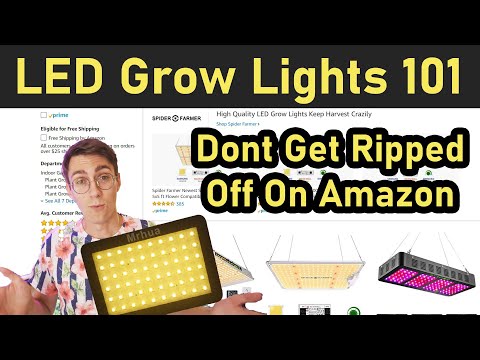
Light Emitting Diode (LED) grow lights have become the gold standard for modern cannabis cultivation. Full-spectrum LED panels deliver a balanced combination of blue and red wavelengths that closely mimic natural sunlight, supporting both vegetative growth and bloom phase development. Leading brands like Mars Hydro, Spider Farmer, and HLG offer dimmable models with quantum boards that provide uniform light distribution across the canopy. LEDs run significantly cooler than other options, consume less electricity, and last for five to ten years, making them a cost-effective long-term solution despite a higher upfront price tag.
HPS (High-Pressure Sodium) Lights
For decades, HPS grow lights were the industry standard for indoor cannabis flowering. These lamps emit a warm orange-red spectrum that naturally encourages bud production and resin synthesis. A 600W or 1000W HPS bulb can penetrate deep into the canopy, making them effective for larger grows. However, HPS systems generate substantial heat, require separate ballasts and reflective hoods, and consume far more electricity than modern alternatives. If you are growing in a small space or a climate-controlled environment, HPS lights may create thermal management challenges that reduce overall efficiency.
CFL (Compact Fluorescent) Lights
Compact fluorescent lights are an affordable entry point for beginner growers with limited budgets and small grow tents. CFL bulbs are available in various color temperatures, with 6500K bulbs suited for the vegetative stage and 2700K bulbs better for flowering. They produce minimal heat, making them safe to use in tight spaces without ventilation. However, CFLs lack the intensity needed for large-scale grows. Experienced cultivators typically outgrow CFL setups quickly and transition to LEDs or HPS systems for more robust light output.
CMH and LEC Lights
Ceramic Metal Halide (CMH) and Light Emitting Ceramic (LEC) lights represent a hybrid approach that combines the spectrum benefits of both metal halide and HPS technologies. These lamps produce a full, balanced light spectrum that supports healthy growth throughout all life stages. CMH systems are more energy-efficient than traditional HID setups and offer excellent color rendering, which helps growers accurately assess plant health and identify nutrient deficiencies visually.
How to Choose the Best Light for Your Cannabis Grow Setup

Matching Light Output to Your Grow Space
The most important factor in selecting weed grow lights is calculating the appropriate wattage per square foot. As a general rule of thumb, indoor cannabis growers need between 32 and 50 watts per square foot of canopy space for LED systems. For HPS setups, the range is closer to 25 to 40 watts per square foot. Measure your grow tent or room dimensions carefully, calculate the total square footage, and then match that area to a light that delivers sufficient Photosynthetic Photon Flux Density (PPFD). Underpowering your space leads to leggy, stretching plants, while overpowering can cause light burn and bleached leaves.
Spectrum and Dimming Features
Look for grow lights that offer adjustable spectrum controls and dimming capability. Full-spectrum fixtures that include UV and IR diodes give you the flexibility to fine-tune light conditions for each growth phase. During the vegetative stage, your cannabis plants benefit from a higher ratio of blue light, which promotes compact, bushy growth and strong leaf development. During flowering, shifting toward a higher red spectrum encourages denser buds, more trichome production, and richer cannabinoid content. Dimming allows you to manage light intensity as plants transition from seedlings to mature flowering specimens.
Comparison: Top Grow Lights for Cannabis Cultivation
| Light Type | Best For | Avg. Wattage | Lifespan | Energy Efficiency |
| Full-Spectrum LED | All growth stages, indoor grows | 200W–1000W | 50,000–100,000 hours | Excellent |
| HPS (High-Pressure Sodium) | Flowering phase, large spaces | 250W–1000W | 10,000–24,000 hours | Moderate |
| CFL (Compact Fluorescent) | Beginners, small tents, clones | 15W–250W | 8,000–15,000 hours | Low |
| CMH/LEC | All stages, spectrum balance | 315W–630W | 10,000–20,000 hours | Good |
Expert Tips for Maximizing Grow Light Performance
Even the best cannabis grow lights will underperform if not deployed correctly. Start by hanging your light at the recommended distance from the canopy — typically 18 to 24 inches for LEDs and 12 to 18 inches for HPS during the flowering stage. Use a light meter or a PPFD map to verify that light intensity is even across the entire canopy. Rotate your plants regularly so every cola and branch receives equal exposure. Consider investing in an oscillating fan to dissipate heat and strengthen stems, and always pair your lighting setup with a quality timer to maintain consistent photoperiods — 18 hours on and 6 hours off for vegetation, and 12 hours on and 12 hours off for flowering.
Another often-overlooked tip is to clean your grow light reflectors and lenses regularly. Dust and grime buildup can reduce light output by up to 20 percent, which directly impacts your plants’ ability to photosynthesize efficiently. If you are using HPS or CMH bulbs, replace them annually even if they still produce light, because spectral output degrades over time and your plants will not receive the optimal wavelength balance they need during critical bloom phases.
Frequently Asked Questions About Cannabis Grow Lights
What is the best LED grow light for a 4×4 tent?
For a 4×4 foot grow tent, you want an LED fixture delivering roughly 300 to 500 watts of actual power draw. Models like the Mars Hydro TS1000 or Spider Farmer SF1000 are widely regarded as top choices for this footprint. They provide full-spectrum light with quantum board technology that ensures even coverage and strong yields without excessive heat buildup.
Can you use regular household bulbs to grow weed indoors?
While it is technically possible to keep a cannabis plant alive under standard household incandescent or LED bulbs, the light intensity and spectrum are insufficient for robust growth and meaningful flower production. Household bulbs lack the Photosynthetically Active Radiation (PAR) levels needed to support dense bud development. Purpose-built grow lights are essential if you want healthy plants and a worthwhile harvest.
How many hours of light do cannabis plants need during the flowering stage?
Cannabis plants in the flowering stage require a strict 12 hours of light and 12 hours of uninterrupted darkness every 24-hour cycle. Any light leakage during the dark period can stress photoperiod-sensitive plants, causing them to revert to vegetative growth or develop hermaphroditic traits. Use a high-quality timer and seal any light leaks in your grow tent to maintain consistent, uninterrupted dark periods.
Are quantum board LEDs better than traditional panel LEDs for cannabis?
Quantum board LEDs, such as those used by HLG and certain Mars Hydro models, distribute light more evenly across a wider area compared to traditional Samsung-style panel designs. This uniformity reduces the chances of light burn on top colas while ensuring that lower bud sites receive enough photons to develop properly. For most serious indoor growers, quantum board fixtures represent the best balance of coverage, efficiency, and performance.
What wattage do I need per plant for indoor cannabis grows?
A general guideline is 30 to 50 watts of actual LED power per square foot of canopy. If you are growing one plant per square foot, this translates to roughly 30 to 50 watts per plant for LEDs. For HPS systems, you would need approximately 25 to 40 watts per square foot. Keep in mind that these are ballpark figures, and factors like strain height, reflectivity of your grow room, and ventilation will all influence your ideal wattage requirement.
Choosing the best lights for growing weed is a decision that shapes the entire trajectory of your cultivation journey. Whether you opt for a full-spectrum LED panel, a proven HPS system, or an affordable CFL setup for your first tent, the key is matching your light to your space, your experience level, and your cultivation goals. Invest in quality, plan your layout carefully, and monitor your plants closely — the results will speak for themselves in the form of dense, resinous, high-yielding harvests that make every watt worthwhile.