


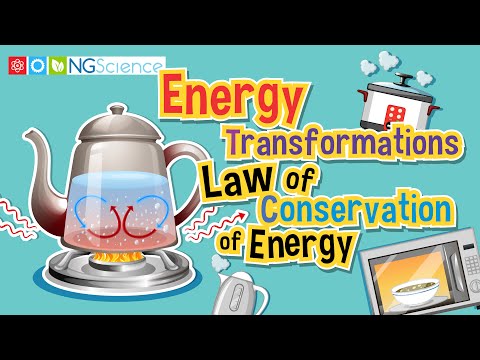
When you hear the phrase “conserving energy examples,” what comes to mind? For most people, it’s flipping a light switch or unplugging a charger. But the reality is far more expansive and fascinating than that simple image. Energy conservation — the deliberate practice of reducing energy consumption through behavioral changes, technological upgrades, and smarter systems — touches every corner of modern life. From the thermostat on your wall to the HVAC systems running industrial warehouses, there are powerful, measurable ways to cut energy waste and build a more sustainable future. In this guide, we’ll explore real, practical conserving energy examples across homes, businesses, transportation, and beyond, backed by data and expert insight that goes well beyond surface-level advice.
What Does Conserving Energy Actually Mean?
Before diving into specific examples, it helps to understand what energy conservation is — and what it isn’t. Conservation is different from energy efficiency. Energy efficiency means using less energy to perform the same task (like switching to an LED bulb), while energy conservation involves actively reducing energy use through changes in behavior or lifestyle. In practice, the two work hand in hand. When you combine efficient appliances with conscious usage habits, the results multiply dramatically.
People conserve energy for several compelling reasons: lower utility bills, reduced carbon footprints, decreased strain on power grids, and greater energy independence. According to the U.S. Department of Energy, residential and commercial buildings account for nearly 40% of total U.S. energy consumption. That means even small individual changes can create a collective impact that’s genuinely significant.

Everyday Home Energy Conservation Examples
The home is where most people encounter their first opportunities to save energy. These aren’t theoretical suggestions — they are proven, practical conserving energy examples that anyone can implement today.
Heating and Cooling Adjustments
Heating and cooling dominate household energy bills, often accounting for nearly half of a home’s total usage. Here are concrete strategies that deliver real results:
- Programmable thermostats: Lowering your thermostat by just 7–10°F for eight hours a day can reduce heating and cooling costs by up to 10% annually.
- Ceiling fan direction: Running ceiling fans counterclockwise in summer creates a wind-chill effect, allowing you to raise the thermostat by about 4°F without losing comfort.
- Sealing air leaks: Weatherstripping doors and windows prevents conditioned air from escaping, reducing the workload on your HVAC system.
- Natural ventilation: Opening windows strategically during cooler hours can eliminate the need for air conditioning on mild days entirely.
Lighting and Appliance Management
Lighting represents roughly 15% of a typical home’s electricity use. Switching to LED bulbs uses at least 75% less energy than traditional incandescent lighting and lasts 25 times longer. But beyond bulbs, there are broader patterns worth examining:
- Unplugging devices on standby — often called “phantom loads” — can save a household between $100 and $200 per year.
- Running dishwashers and washing machines with full loads reduces the number of cycles per week, cutting water heating costs significantly.
- Using cold water for laundry loads preserves clothing quality while eliminating the energy used to heat water for each cycle.
- Air-drying dishes and clothes removes the most energy-intensive phase from these common chores.
Commercial and Industrial Energy Conservation Examples
Businesses face even larger energy challenges, but the opportunities for savings are equally proportionate. Here are energy conservation examples in commercial settings that organizations are already deploying:
Smart Building Technologies
Modern offices and warehouses increasingly rely on Building Management Systems (BMS) that monitor and control lighting, heating, and cooling in real time. Sensors detect occupancy and adjust conditions automatically — lights dim in empty rooms, HVAC systems scale back during off-hours, and energy dashboards alert facility managers to anomalies before they become costly problems.
Manufacturing Process Optimization
In industrial environments, conserving energy often means redesigning production workflows. Some examples include:

- Recovering waste heat from manufacturing processes and redirecting it to space heating or water preheating.
- Installing variable frequency drives (VFDs) on motors to match energy consumption to actual load requirements.
- Scheduling energy-intensive operations during off-peak hours when electricity rates are lower and grid demand is reduced.
Transportation and Community-Level Energy Conservation
Transportation is the largest single source of greenhouse gas emissions in the United States, making it a critical frontier for energy conservation. Practical examples include:
| Strategy | Estimated Energy Savings | Implementation Difficulty |
| Carpooling or vanpooling | Reduces per-person fuel use by up to 50% | Low |
| Switching to electric vehicles | 60–70% less energy per mile than gasoline | Medium |
| Public transit use | Up to 45% less energy per passenger mile | Low |
| Biking or walking for short trips | Zero direct energy consumption | Medium |
| Telecommuting 2–3 days per week | Eliminates daily commute energy entirely | Low |
At the community level, municipalities are investing in LED street lighting, which uses up to 50% less energy than high-pressure sodium alternatives and lasts significantly longer, reducing maintenance costs as well. Solar-powered traffic signals, smart grid systems, and district heating networks represent the frontier of community-scale energy conservation.
Comparing Energy Conservation Methods by Impact
Not all energy-saving actions deliver the same return on effort. The table below compares popular methods across key dimensions so you can prioritize effectively:
| Method | Annual Savings Potential | Upfront Cost | Payback Period |
| LED bulb replacement | $75–$100 per household | Low | Less than 1 year |
| Smart thermostat installation | $100–$150 per household | Medium | 1–2 years |
| Home insulation upgrade | $200–$400 per household | High | 3–5 years |
| Solar panel installation | $600–$1,200+ per household | High | 5–8 years |
| Behavioral habit changes only | $50–$200 per household | None | Immediate |
The most effective strategy combines low-cost behavioral changes with medium-term technology investments. Starting with simple habits and then layering in upgrades like smart thermostats or insulation creates a compounding effect that maximizes savings over time.
Expert Tips for Maximizing Your Energy Conservation Results
Even people who already practice some energy-saving habits often leave significant savings on the table. Here are expert-level recommendations that separate casual savers from serious conservers:

- Conduct a home energy audit. Professional auditors use blower door tests and thermal imaging to pinpoint exactly where your home is losing energy — often revealing hidden leaks in attics, crawl spaces, and ductwork that you’d never notice visually.
- Adopt time-of-use awareness. Running major appliances during off-peak hours can reduce electricity costs by 20–30% in areas with time-of-use pricing structures.
- Maintain your systems regularly. Dirty HVAC filters increase energy consumption by 5–15%. A simple monthly filter check keeps systems running at peak efficiency.
- Use power strips for electronics clusters. A single switch eliminates phantom loads for entire entertainment centers or office setups without requiring individual unplugging.
- Invest in long-term upgrades strategically. When replacing appliances, prioritize ENERGY STAR-certified models and consider heat pump technology for both heating and cooling, which can reduce energy use by up to 50% compared to conventional systems.
Frequently Asked Questions
What are the simplest conserving energy examples for beginners?
The simplest entry points include switching off lights when leaving a room, unplugging phone chargers when not in use, and adjusting your thermostat by just two degrees. These habits require zero investment and create immediate reductions in energy consumption. Over a year, these small actions can collectively save 5–10% on your electricity bill.
How do energy conservation and energy efficiency differ in practice?
Energy efficiency focuses on using better technology to accomplish the same result with less energy — like a refrigerator that uses less electricity per cubic foot of storage. Energy conservation focuses on using less energy overall, which might mean refrigerating fewer items or raising the temperature inside the fridge slightly. In real-world applications, the most effective approach combines both strategies simultaneously.
Can businesses really save money through energy conservation examples like those mentioned above?
Absolutely. Commercial buildings that implement smart lighting, optimized HVAC schedules, and occupancy-based controls routinely achieve energy savings of 20–30%. For a mid-sized office building spending $200,000 annually on utilities, that translates to $40,000–$60,000 in annual savings — money that flows directly to the bottom line without sacrificing operational performance.
What long-term benefits come from consistent energy conservation habits?
Beyond immediate cost savings, consistent conservation reduces demand on local power infrastructure, decreases reliance on fossil fuel generation, and contributes to lower community-wide emissions. Over a decade, households practicing serious conservation can reduce their cumulative carbon footprint by several tons of CO₂ while simultaneously building resilience against rising energy prices.
Are there government incentives available for implementing energy conservation measures?
Yes. Many governments offer tax credits, rebates, and grants for energy-efficient upgrades including insulation, solar panels, heat pumps, and high-efficiency appliances. Programs like the U.S. federal Residential Clean Energy Credit and various state-level incentive programs can offset 30% or more of upfront costs for qualifying improvements. Checking with your local utility company is often the fastest way to find available offers in your area.
Conclusion
Conserving energy examples range from the remarkably simple — flipping a switch, closing a window — to the technologically sophisticated, like smart grid integration and industrial heat recovery. The common thread is intentionality: a deliberate decision to use less energy without sacrificing the comfort, productivity, or quality of life that energy makes possible. Whether you’re a homeowner looking to trim monthly bills, a business manager seeking operational savings, or a community planner working toward sustainability goals, the examples and strategies outlined here provide a solid foundation for meaningful action. The most important step is the next one — pick one example from this article, implement it this week, and build from there. Energy conservation isn’t about perfection; it’s about progress, and every kilowatt saved adds up to a significant collective impact.