When it comes to transforming your kitchen from a purely functional space into the heart of your home, hanging kitchen lighting is one of the most impactful upgrades you can make. Also known as pendant lights, suspended ceiling lights, or overhead island lights, these fixtures do far more than illuminate your countertop—they set the mood, define zones, and elevate the entire aesthetic of your cooking space. Whether you are remodeling a modern apartment kitchen or refreshing a traditional farmhouse layout, choosing the right hanging light can make all the difference. In this comprehensive guide, we will walk you through every aspect of hanging kitchen lighting, from selecting the perfect style and size to installation best practices and placement strategies that actually work.
Why Hanging Kitchen Lighting Matters

Many homeowners underestimate the role of kitchen pendant lighting in both form and function. Properly hung lights eliminate shadows on your prep surfaces, create visual warmth, and draw the eye toward your design focal point. Without adequate overhead illumination, kitchens can feel dim, cramped, and uninviting—especially during evening hours. Hanging fixtures also serve as architectural accents that tie together your cabinets, countertops, and flooring. Beyond aesthetics, the right overhead kitchen light fixtures improve task performance, making food preparation safer and more efficient. If you have ever struggled to chop vegetables or read a recipe under harsh fluorescent tubes, you already understand why upgrading to decorative hanging lights for kitchen islands is worth the investment.
Key Benefits of Suspended Kitchen Lights
- Targeted task illumination — Direct light onto countertops and stovetops where you need it most.
- Ambient atmosphere — Warm-toned pendants create a cozy, welcoming environment for dining and entertaining.
- Visual hierarchy — Hanging fixtures draw attention to your island or breakfast bar, anchoring the room’s design.
- Space definition — In open-concept layouts, suspended lights help delineate the kitchen zone from living or dining areas.
- Energy efficiency — Modern LED hanging lights consume significantly less power than traditional incandescent options.
Types of Hanging Kitchen Lighting Fixtures
The market for kitchen pendant lights has exploded in recent years, offering homeowners an extraordinary range of styles, materials, and configurations. Understanding the major categories will help you narrow down options that suit your space and personal taste.
Single Pendant Lights
A single hanging light is the most straightforward option—typically one fixture suspended from the ceiling on a cord, chain, or rod. These work beautifully above a kitchen sink, a narrow island, or a dining breakfast bar. Single pendants come in virtually every material imaginable, from hand-blown glass to woven rattan to brushed stainless steel.
Multi-Light Pendant Arrays
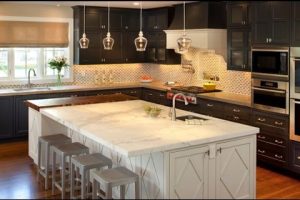
For longer countertops or oversized islands, multi-pendant lighting delivers balanced illumination across a wider span. Three or five-light linear arrangements are extremely popular in contemporary kitchens. These setups allow you to space fixtures evenly and avoid dark spots that plague single-center fixtures.
Chandelier-Style Hanging Lights
If your kitchen has high ceilings or a more formal design sensibility, kitchen chandelier pendants bring drama and sophistication. Crystal, brass, and wrought iron chandeliers add texture and sparkle, making them ideal for farmhouse, classic, or transitional interiors.
Track and Rail Hanging Systems

Adjustable track lighting and monorail systems offer flexibility that fixed pendants cannot match. You can reposition heads, add or remove fixtures, and angle lights toward specific areas. These systems are excellent for homeowners who like to reconfigure their kitchen layout over time.
How to Choose the Right Hanging Light for Your Kitchen
Selecting the perfect hanging kitchen light involves more than picking a style you love. Size, scale, bulb type, and ceiling height all play critical roles in achieving the best result.
Size and Proportion Guidelines
A common mistake is choosing a fixture that is too small or too large for the space. Here is a quick reference to guide your decision:
| Surface Area | Recommended Fixture Diameter |
| Island width 24–30 inches | 12–16 inches |
| Island width 36–48 inches | 18–24 inches |
| Island width 50–66 inches | 24–32 inches |
| Small kitchen (under 100 sq ft) | 10–14 inches |
| Large kitchen (over 200 sq ft) | 18–30 inches per fixture |
A helpful rule of thumb is to add the room’s length and width in feet, then convert that sum to inches—that number approximates the ideal diameter for a single fixture in a central hanging position.
Bulb Selection and Color Temperature
The light bulb you pair with your hanging fixture dramatically affects the kitchen’s ambiance. For task-oriented areas like prep zones and stovetops, choose cool white LED bulbs in the 3500K–4000K range. For dining and ambient spaces, warm white bulbs at 2700K–3000K create a inviting glow. Dimmable LED options are a must-have feature, allowing you to adjust brightness for cooking, entertaining, or relaxing.
Ceiling Height Considerations
Standard ceiling-mounted hanging lights should hang approximately 30–36 inches above the countertop. If your ceilings exceed nine feet, consider adding extra length on the chain or rod to maintain proper proportions. For islands used for casual dining, aim for 84 inches from the floor to ensure comfortable headroom for seated guests.
Placement Strategies for Maximum Impact
Where you position your suspended kitchen lights matters just as much as the fixture itself. Strategic placement ensures even coverage, eliminates glare, and enhances the room’s visual flow.
- Above the kitchen island — Center one large pendant or a row of smaller fixtures directly over the island’s length. This is the single most popular placement for hanging kitchen lighting.
- Over the sink — A single hanging light positioned a few inches in front of the faucet provides excellent task lighting for washing and food preparation.
- Above the stovetop — Use flush-mount or low-hanging pendants with shatter-resistant glass shades to protect against grease and heat damage.
- In a linear row above a breakfast bar — Space pendants 24–30 inches apart, centered over the bar, for a clean and balanced look.
- Over the dining area — In open-plan kitchens, a single statement chandelier or a cluster of small pendants defines the eating zone without walls or dividers.
Installation Tips and Common Mistakes
While some homeowners attempt a DIY hanging light installation, kitchen lighting installation involves electrical wiring that demands careful attention to safety codes and structural considerations. Always turn off the circuit breaker before working on any ceiling fixture.
Professional vs. DIY Installation
If your existing ceiling box is not rated for hanging fixtures, or if you need to add a new electrical box, hiring a licensed electrician is strongly recommended. For simple replacements where the existing box is in good condition, a confident DIYer can swap out an old fixture for a new hanging pendant kit in under an hour.
Common Mistakes to Avoid
- Choosing a fixture that hangs too low and obstructs sightlines or headroom.
- Selecting bulbs with incorrect wattage ratings that can overheat the fixture.
- Ignoring the visual weight of the fixture relative to the island or counter size.
- Forgetting to install a dimmer switch, which limits your ability to control ambiance.
- Using non-adjustable chains or rods that prevent you from fine-tuning the hanging height after installation.
Trending Hanging Kitchen Lighting Styles in 2024
The hanging kitchen light design world is constantly evolving. Current trends favor natural materials, sculptural shapes, and layered lighting approaches that combine function with artistry.
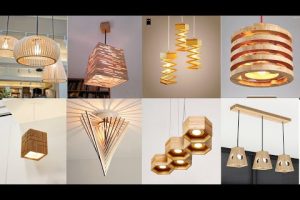
- Woven rattan and bamboo pendants — Bring organic texture and warmth to Scandinavian and bohemian kitchens.
- Brushed brass and matte black finishes — Remain the most popular metal choices for modern and transitional interiors.
- Geometric and asymmetrical designs — Angular pendant clusters add a contemporary edge to traditional spaces.
- Mixed-material pendants — Combinations like wood and metal, or glass and concrete, create visual interest and depth.
- Smart-integrated hanging lights — Fixtures compatible with smart home systems allow voice-controlled dimming and color temperature adjustment.
Hanging Kitchen Lighting Cost Considerations
Budgeting for hanging kitchen light fixtures depends heavily on material quality, brand, and whether you include professional installation. Single pendants range from $50 to $300 for budget-friendly options and $500 to $2,000+ for designer pieces. Multi-pendant arrays and chandelier-style fixtures can range from $300 to $5,000 or more. Installation costs typically add $100–$300 per fixture when hiring an electrician, though many homeowners find that replacing existing ceiling boxes is straightforward enough to handle themselves.
| Fixture Type | Price Range (per fixture) | Best For |
| Basic single pendant | $50 – $200 | Small kitchens, budget remodels |
| Mid-range designer pendant | $200 – $800 | Quality upgrades, statement pieces |
| Multi-light linear array | $300 – $1,500 | Long islands, open-concept layouts |
| Chandelier pendant | $500 – $5,000+ | High-ceiling kitchens, formal spaces |
| Smart pendant system | $200 – $1,200 | Tech-forward, automated homes |
Conclusion
Hanging kitchen lighting is far more than a decorative afterthought—it is a foundational design element that shapes how your kitchen looks, feels, and functions every single day. Whether you opt for a sleek single pendant light above your sink or a dramatic multi-fixture arrangement over a sprawling island, the key is to balance proportion, placement, and light quality. Take the time to measure your space carefully, choose bulbs with the right color temperature, and invest in dimmable technology that gives you full control over the atmosphere. With the right hanging fixtures, your kitchen will become the most inviting and functional room in your entire home.
FAQs
What is the best hanging light for a kitchen island?
The best hanging light for a kitchen island is typically a linear multi-pendant array or a single oversized globe pendant, depending on the island’s length. For islands 48 inches or longer, three evenly spaced mini pendants create balanced illumination. For shorter islands under 36 inches, one statement pendant works perfectly.

How high should hanging lights be above a kitchen island?
Hanging kitchen lights should be mounted 30 to 36 inches above the countertop surface. If the island is also used for casual dining, hang fixtures at approximately 84 inches from the floor to maintain comfortable clearance for seated guests.
Can I use hanging lights in a small kitchen?
Absolutely. Small kitchen hanging lights work best as single pendants or compact mini pendants that do not overwhelm the space. Choose fixtures with light-colored shades and LED bulbs to maximize brightness without adding visual bulk.
What type of bulb is best for kitchen pendant lights?
LED bulbs are the best choice for kitchen pendant lights because they are energy-efficient, long-lasting, and available in multiple color temperatures. For task areas, choose 3500K–4000K cool white bulbs. For ambient areas, 2700K–3000K warm white creates a comfortable glow.
Do hanging kitchen lights need an electrical box in the ceiling?
Yes, every hanging light fixture must be securely mounted to a UL-listed electrical box rated for the weight of the fixture. If your kitchen ceiling does not have a suitable box, consult a licensed electrician to install one before hanging any light fixture.