When it comes to transforming your kitchen from a purely functional workspace into a warm, inviting gathering place, hanging kitchen light fixtures play an irreplaceable role. These fixtures do far more than simply illuminate your countertops — they anchor the room’s visual identity, set the mood for family dinners, and even make your space feel larger and more intentional. Whether you are renovating a small apartment kitchen or designing a sprawling open-plan culinary space, choosing the right hanging light fixture can feel both exciting and overwhelming. This comprehensive guide breaks down everything you need to know, from fixture types and sizing rules to material choices, installation best practices, and expert tips that elevate your kitchen’s design to the next level.
Types of Hanging Kitchen Light Fixtures
The market for suspended kitchen lighting has exploded in recent years, and understanding the major categories helps you narrow down options that suit your aesthetic and practical needs.
Pendant Lights
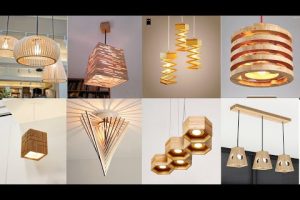
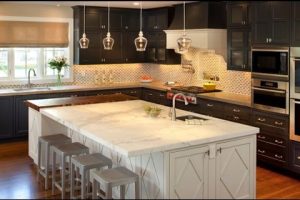
Pendant lights are the most popular choice for modern kitchens, and for good reason. These single-shade fixtures hang from a cord, chain, or rod, delivering focused task lighting directly over work zones like kitchen islands and dining tables. They come in nearly every material imaginable — from hand-blown glass and woven rattan to brushed brass and matte black metal. Single pendants work well above smaller islands, while linear multi-pendant arrangements create a stunning focal point over longer surfaces. Their versatility makes them a go-to for designers and homeowners alike.
Chandeliers
Do not overlook chandeliers when you are searching for hanging kitchen light fixtures. While traditionally associated with formal dining rooms, modern chandeliers have evolved into sleek, minimalist statement pieces that pair beautifully with farmhouse, transitional, and contemporary kitchens. Crystal chandeliers add sparkle and luxury, while more understated drum or sphere designs provide soft, diffused ambient light without overwhelming the space.
Semi-Flush and Flush Mount Suspensions
For kitchens with lower ceilings — typically eight feet or under — semi-flush mount fixtures offer the best of both worlds. They hang slightly below the ceiling while staying close enough to avoid head bumps, delivering ample light without sacrificing precious clearance.
How to Choose the Right Size and Hanging Height
Getting the scale and placement right is critical. A fixture that is too small gets lost in the room, while one that is too large can feel oppressive. Here are the essential rules to follow:
- Width Rule: Add the length and width of your island or table in feet, then convert that number to inches for your fixture’s diameter. For example, a 6-foot by 3-foot island calls for a fixture roughly 18 to 24 inches wide.
- Multiple Fixtures: Divide your island length by the number of pendants, spacing them evenly with about 30 inches between each fixture’s center.
- Hanging Height: Hang pendants 30 to 36 inches above the countertop or table surface for optimal task lighting without blocking views across the island.
- Ceiling Clearance: In rooms with standard 8-foot ceilings, keep the bottom of the fixture at least 7 feet from the floor to maintain headroom and a comfortable visual flow.
Best Materials and Finishes for Hanging Kitchen Lights
The material and finish of your hanging fixture influence both the light quality and the overall design language of your kitchen. Here is a breakdown of the most popular options:
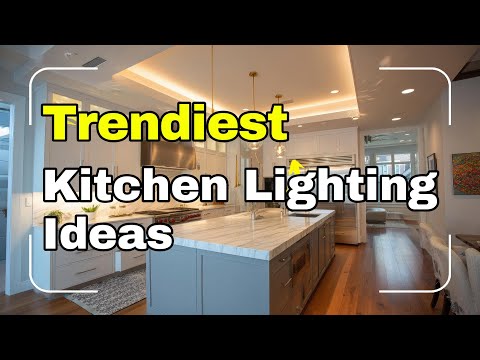
- Brushed Brass and Gold: Warm and inviting, these finishes pair beautifully with wood cabinetry and neutral palettes. They resist tarnishing better than polished brass and add a subtle glow.
- Matte Black: A timeless choice that works across virtually every kitchen style, from industrial to Scandinavian to modern farmhouse.
- Stainless Steel: Sleek and moisture-resistant, making it ideal for open kitchens where cooking splatter is a concern.
- Hand-Blown Glass: Offers organic texture and a artisan quality that elevates even the simplest pendant into a conversation piece.
- Woven Rattan or Wicker: Increasingly popular for bohemian and coastal kitchen designs, these natural materials soften the room’s energy and cast beautiful shadow patterns.
LED vs. Incandescent Bulbs in Hanging Kitchen Fixtures
Your bulb choice affects everything from energy bills to color rendering. LED bulbs dominate the market today, and for excellent reasons.
| Feature | LED Bulbs | Incandescent Bulbs |
| Energy Efficiency | Uses 75% less energy | High energy consumption |
| Lifespan | 15,000–50,000 hours | 750–2,000 hours |
| Heat Output | Low — safer near cabinetry | High — can heat nearby surfaces |
| Color Temperature Options | 2700K–5000K wide range | Typically 2700K warm white |
| Dimmability | Available in dimmable models | Naturally dimmable |
| Initial Cost | Slightly higher | Lower upfront |
For hanging kitchen light fixtures, we strongly recommend LED bulbs with a color temperature between 2700K and 3000K for a warm, appetizing glow in the cooking and dining areas. If you use your kitchen for detailed prep work, a slightly cooler 3500K LED can improve visual accuracy without feeling harsh.
Installation Tips and Electrical Considerations
Installing hanging kitchen light fixtures involves more than just mounting a bracket. Safety and code compliance should always come first.
Before You Begin
- Turn off the circuit breaker and use a voltage tester to confirm the power is off.
- Check your ceiling joist location or use an appropriate ceiling fan-rated electrical box rated for the fixture’s weight.
- Ensure the electrical box can support the fixture — many older homes have boxes designed only for lightweight flush mounts, not suspended pendants.
Hiring a Professional vs. DIY
If your kitchen has exposed wiring, requires a new circuit, or if the ceiling box needs reinforcement, hiring a licensed electrician is the safest route. For straightforward pendant replacements where the existing box is rated and positioned correctly, a confident DIYer can manage the job with basic tools and a wiring diagram from the manufacturer.
Matching Your Fixture to Your Kitchen Style
Cohesive design is what separates a beautifully curated kitchen from a random collection of fixtures. Here are quick style pairings:

- Modern Minimalist: Geometric metal pendants in matte black or polished nickel with clean lines and no ornamentation.
- Farmhouse Rustic: Woven rattan or antler-style chandeliers paired with Edison-style warm LED bulbs.
- Industrial: Oversized metal cage pendants or exposed-bulb fixtures in iron or blackened steel.
- Mid-Century Modern: Sputnik-style chandeliers or globe pendants in brushed brass with retro-inspired silhouettes.
- Coastal: Driftwood-accented fixtures, white glass pendants, or nautical rope-wrapped hanging lights.
Trending Hanging Kitchen Light Fixtures in 2024 and Beyond
Design trends are constantly shifting, but a few themes stand out right now. Linear multi-light pendants continue to dominate, especially in open-concept kitchens where they visually define the dining zone without walls. Brass and warm metal finishes are experiencing a massive resurgence, replacing the cool stainless steel of previous years. Additionally, layered lighting — combining a hanging fixture with recessed cans and under-cabinet LEDs — has become the gold standard for designers who want kitchens that feel both functional and atmospheric. Smart lighting integration is another rising trend; fixtures compatible with systems like Philips Hue or Lutron allow homeowners to adjust brightness and color temperature from their phone or voice assistant.
Expert Tips for Maximum Impact
- Layer your lighting. A single hanging fixture rarely provides enough illumination for food preparation. Combine it with under-cabinet task lights and ambient recessed downlights for a fully balanced kitchen.
- Use dimmers. Installing a dimmer switch on your hanging fixtures lets you shift from bright task lighting during cooking to soft ambient glow during entertaining.
- Consider the ceiling height carefully. In rooms with 9-foot ceilings or higher, you can hang fixtures lower and use taller shades or larger diameters without creating an uncomfortable gap.
- Think about cleaning. Fixtures with open designs or smooth surfaces are far easier to maintain than those with intricate crystal drops or woven textures that collect dust.
- Match the scale to the room, not just the furniture. A grand chandelier can work in a compact galley kitchen if it complements the ceiling height and overall proportions.
Frequently Asked Questions About Hanging Kitchen Light Fixtures
What is the best hanging light fixture for a kitchen island? A linear pendant or a row of mini pendants spaced evenly above the island is widely considered the best choice. Select a fixture width that is roughly one-third to one-half the island’s width, and hang it 30 to 36 inches above the countertop surface for optimal task lighting and clearance.
How do I know what size hanging light I need for my kitchen? Use the golden rule: add your island or table length and width in feet, then convert that sum to inches. For example, a 5-by-3-foot island needs a fixture approximately 8 to 10 inches in diameter. For longer surfaces, a linear fixture spanning 24 to 48 inches works best.
Can I hang a heavy chandelier in a kitchen with standard drywall? You should never hang a heavy fixture into drywall alone. The ceiling must have a properly rated electrical box — ideally secured to a joist or with a fan-rated brace — that can support the fixture’s weight. Consult an electrician if you are unsure about your ceiling structure.
What height should a hanging kitchen light be above the counter? The recommended height is 30 to 36 inches from the countertop to the bottom of the fixture. This provides sufficient task lighting while keeping the fixture out of the way of casual movement and conversation across the kitchen island.
Are LED bulbs really necessary in modern hanging kitchen fixtures? While not strictly mandatory, LEDs are the clear choice for most homeowners. They consume dramatically less energy, last far longer than incandescent bulbs, produce minimal heat near cabinetry, and are available in a wide range of color temperatures to match your kitchen’s mood and design.
Final Thoughts
Choosing hanging kitchen light fixtures is one of the most impactful decisions you can make in your kitchen design journey. The right fixture does not just light up your space — it defines it, warms it, and gives it character that no amount of cabinet refacing or countertop replacement can replicate. By understanding fixture types, mastering sizing and placement rules, selecting materials that complement your existing cabinetry and hardware, and following expert installation and layering tips, you can create a kitchen that feels both stunningly beautiful and genuinely functional. Take your time, trust your instincts, and remember that the best lighting choice is the one that makes your kitchen feel like home.