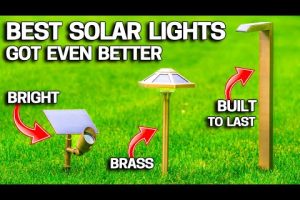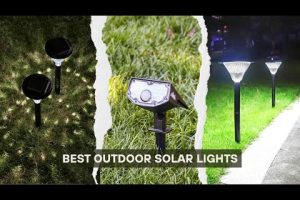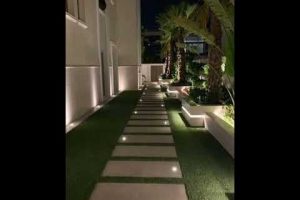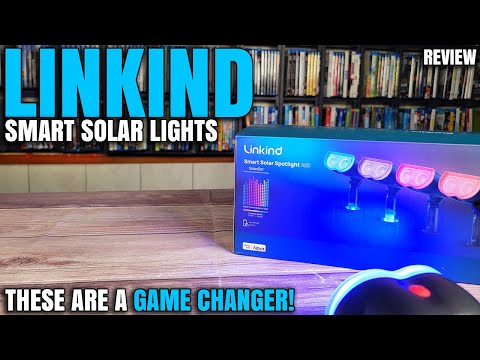

When it comes to transforming your outdoor space after sunset, nothing beats the charm and efficiency of a good garden solar light. Whether you are looking to illuminate a winding garden path, highlight a flower bed, or create a warm ambient glow on your patio, solar-powered lighting has evolved dramatically in recent years. The days of dim, unreliable solar garden fixtures are long gone. Today’s best solar lights for the garden deliver bright, lasting illumination powered entirely by the sun — no wiring, no electricity bills, and no complex installation required. In this comprehensive guide, we will explore everything you need to know about selecting the best garden solar lights for your property, from understanding the technology behind them to comparing top-performing models and learning expert tips that ensure you get the most value out of every purchase.
What Makes a Garden Solar Light Truly Good?
A good garden solar light is defined by far more than its price tag or visual appeal. Several critical factors determine whether a solar lighting product will perform reliably night after night and stand up to the elements over multiple seasons. Understanding these criteria will help you cut through the marketing hype and make informed decisions.
Solar Panel Efficiency is the foundation of any quality solar light. Monocrystalline solar panels consistently outperform polycrystalline alternatives, converting a higher percentage of sunlight into stored energy. The best garden solar lights feature panels with conversion rates above 20%, which means faster charging and longer illumination periods even on overcast days.
Battery Capacity and Type matters enormously. Lithium-ion and LiFePO4 batteries have largely replaced older nickel-cadmium cells, offering higher energy density, longer lifespans, and better performance in cold temperatures. A well-engineered solar garden light should store enough energy to deliver 8 to 12 hours of runtime on a full charge.
LED Quality directly impacts brightness and durability. Commercial-grade LEDs with a color rendering index (CRI) above 80 produce warmer, more natural light that enhances your garden’s aesthetics rather than casting a harsh, sterile glow. Look for lumens ratings that match your purpose — pathway lights typically need 50 to 150 lumens, while accent and security lights may require 200 lumens or more.
Weather Resistance and Build Quality round out the essentials. IP65 or IP67 waterproof ratings ensure the fixture can handle rain, snow, and humidity without internal damage. Durable materials like stainless steel, aluminum alloy, and reinforced ABS plastic resist fading, cracking, and corrosion.
Types of Garden Solar Lights and Their Best Use Cases
Not all solar lighting is created equal, and choosing the right type for each area of your garden is essential to achieving both beauty and functionality. Here are the most popular categories of outdoor solar lights and where they shine brightest.
1. Solar Pathway Lights
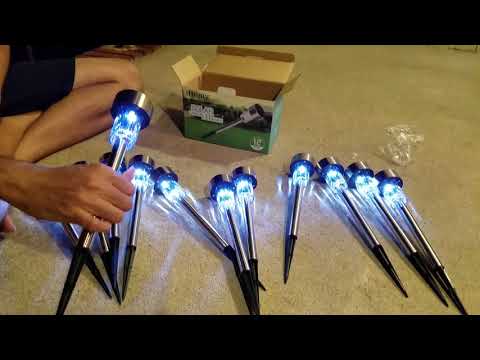
Solar pathway lights are the most common and practical choice for illuminating walkways, garden borders, and driveways. They typically feature low-profile designs with upward-facing LED bulbs that cast a soft glow along the ground. Best solar pathway lights use weighted or stake-mounted bases for easy installation and feature built-in dusk-to-dawn sensors that automatically turn on at sunset.
2. Solar Spotlights and Floodlights
For highlighting architectural features, trees, or garden sculptures, solar spotlights deliver focused, directional beams with significantly higher brightness. Many modern models offer adjustable heads and multiple lighting modes, including steady-on, flashing, and dim settings to conserve battery during longer nights.
3. Solar String Lights

Garden string lights have become a staple for creating a cozy outdoor atmosphere on patios, pergolas, and deck areas. Outdoor solar string lights come in warm white, multicolor, and fairy-tale styles, and they are perfect for entertaining or simply relaxing outdoors in the evening.
4. Solar Wall-Mounted Lights
Mounted on fences, walls, or exterior structures, these fixtures provide broader area coverage and often double as security lighting. They are ideal for illuminating entryways, garage doors, and garden gates without any electrical work.
Comparing the Best Garden Solar Lights on the Market
With hundreds of options available, narrowing down your choices can be overwhelming. The table below compares several top-performing categories of garden solar lights based on key performance indicators that matter most to homeowners.
| Category | Avg. Brightness (Lumens) | Runtime (Hours) | Weather Rating | Best For |
| Pathway Lights | 50–150 lm | 8–12 hrs | IP65–IP67 | Walkways, borders, driveways |
| Spotlights | 200–600 lm | 6–10 hrs | IP65–IP67 | Trees, fences, accent features |
| String Lights | 5–20 lm per bulb | 6–10 hrs | IP44–IP65 | Patios, pergolas, decks |
| Wall-Mounted Lights | 100–300 lm | 8–12 hrs | IP65–IP67 | Entryways, gates, garages |
| Ground-Feature Lights | 10–50 lm | 6–10 hrs | IP65–IP67 | Flower beds, ponds, statues |
This comparison highlights the diversity available in the outdoor solar lighting market. Your choice should depend on the specific areas you want to illuminate, the desired ambiance, and the amount of direct sunlight your garden receives daily.
How to Choose the Best Solar Lights for Your Garden
Selecting the right solar lights involves evaluating your garden’s unique conditions and your personal lighting goals. Follow these expert steps to make the best decision.
- Assess Your Sun Exposure. Solar panels need a minimum of 6 to 8 hours of direct sunlight daily to charge fully. Shaded gardens may require lights with larger panels or separate solar panels that can be positioned in sunnier spots.
- Define Your Lighting Purpose. Are you primarily focused on safety and navigation, or do you want decorative ambient lighting? Your answer determines whether you need brighter spotlights or softer pathway lights.
- Check the IP Rating. For any light exposed to rain or sprinkler systems, an IP65 rating or higher is non-negotiable. Lights rated IP44 or lower are only suitable for sheltered areas.
- Prioritize Replaceable Batteries. Lights with removable, rechargeable batteries allow you to replace the battery when performance declines, extending the product’s lifespan by several years.
- Consider Aesthetic Cohesion. Choose a style and finish — matte black, bronze, copper, or white — that complements your garden’s design language and your home’s exterior.
Installation Tips That Maximize Performance
Even the highest-quality solar lights will underperform if installed incorrectly. Proper placement is one of the most overlooked aspects of outdoor solar lighting.
- Position solar panels facing south (in the Northern Hemisphere) for maximum sun exposure throughout the day.
- Clean the solar panel surface monthly to remove dust, leaves, and bird droppings that can block sunlight.
- Install lights in areas where they will remain undisturbed by foot traffic, lawn mowers, or pets.
- Place pathway lights 6 to 8 feet apart for consistent, even illumination without harsh gaps.
- During the first charge cycle, allow lights to charge uninterrupted for 24 to 48 hours before first use to condition the battery.
Maintenance Tips for Long-Lasting Solar Garden Lights
One of the greatest advantages of solar lighting is its low maintenance, but a little care goes a long way in ensuring consistent performance. Wipe down solar panels with a damp cloth every few weeks to remove grime that reduces charging efficiency. In winter or during extended cloudy periods, consider temporarily moving portable lights to a sunny windowsill or balcony to top off the battery. Replace rechargeable batteries every two to three years if you notice declining brightness or shorter runtime. Finally, check the waterproof seals on fixture housings annually, especially if you live in a region with heavy rainfall or snow.
Common Mistakes to Avoid When Buying Garden Solar Lights
Many consumers purchase solar lights based solely on price or appearance, only to be disappointed by poor performance. Avoid these common pitfalls: buying lights with undersized solar panels that cannot fully charge the battery in one day, ignoring the difference between warm white (2700K–3000K) and cool white (5000K–6500K) color temperatures, and purchasing lights without any warranty or customer support. High-quality garden solar lights from reputable brands typically come with at least a one-year warranty and responsive customer service.
FAQ: Your Top Questions About Good Garden Solar Lights Answered
How long do good garden solar lights last on a single charge? Most quality solar pathway lights and spotlights provide 8 to 12 hours of runtime on a full charge, depending on battery capacity, LED efficiency, and the amount of sunlight the panel received during the day. Lights with larger lithium-ion batteries and efficient LEDs tend to last closer to the 12-hour mark.
Do garden solar lights work on cloudy days? Yes, but with reduced charging efficiency. Modern solar lights with high-quality panels can still accumulate a meaningful charge even on overcast days, though you can expect runtime to decrease by 30% to 50% compared to clear, sunny conditions.
Can I replace the batteries in my solar garden lights? Many reputable models feature removable, rechargeable batteries — typically 1.2V NiMH or 3.7V lithium-ion cells — that can be easily swapped out when performance declines. Always match the replacement battery’s voltage and capacity to the original specifications.
What is the difference between warm white and cool white solar lights for gardens? Warm white lights (around 2700K–3000K) produce a soft, golden glow that enhances the natural beauty of plants and landscaping, creating a cozy atmosphere. Cool white lights (5000K–6500K) deliver a brighter, more bluish tone that improves visibility and is better suited for security and task lighting purposes.
Are solar garden lights worth the investment compared to wired options? Absolutely. Solar lights eliminate the need for electrical wiring, reduce your energy costs to zero, and can be repositioned anywhere in your garden as your landscaping evolves. While the initial cost per fixture may be slightly higher than some wired alternatives, the long-term savings and convenience make solar lighting a superior choice for most homeowners.
Final Thoughts: Finding the Perfect Garden Solar Lights for Your Space
Investing in a good garden solar light system is one of the most rewarding upgrades you can make to your outdoor living space. The combination of environmental responsibility, effortless installation, and zero operating costs makes solar lighting an obvious choice for homeowners who want to enjoy their gardens well into the evening. By focusing on solar panel quality, battery technology, LED brightness, and weather resistance, you can confidently select fixtures that deliver stunning illumination season after season. Take the time to assess your garden’s specific needs, choose the right types of lights for each area, and follow the installation and maintenance tips outlined above — and you will be rewarded with a beautifully lit outdoor space that is both inviting and energy-efficient all year round.