Landscape solar lights have revolutionized the way homeowners illuminate their gardens, walkways, patios, and driveways. Unlike traditional outdoor lighting that relies on hardwired electrical connections or cumbersome extension cords, solar-powered landscape lighting harnesses the sun’s energy to deliver reliable, cost-free illumination after dark. Whether you’re a first-time gardener looking to add curb appeal or a seasoned homeowner seeking sustainable outdoor solutions, understanding the ins and outs of solar landscape lighting can transform your property into a beautifully lit sanctuary. This guide covers everything from choosing the right fixtures to maximizing performance throughout the seasons.
What Are Landscape Solar Lights?
Landscape solar lights are self-contained outdoor lighting fixtures powered by small photovoltaic panels that convert sunlight into electrical energy during the day. This energy is stored in rechargeable batteries — typically lithium-ion or NiMH — and automatically powers LED lamps at night through built-in light sensors. The entire system operates independently from the electrical grid, making solar landscape lighting one of the most practical and environmentally conscious choices for outdoor illumination.

Modern solar lighting technology has advanced dramatically. Today’s units deliver impressive brightness, longer run times, and durable construction designed to withstand rain, snow, and extreme temperatures. From subtle solar stake lights lining a garden path to bold solar post lights framing an entrance, the variety available ensures there’s a solution for every landscape design.
Types of Landscape Solar Lights
Not all solar lights are created equal. Different fixture styles serve different purposes, and choosing the right type is essential for achieving the look and function you want in your outdoor space.
Solar Pathway Lights
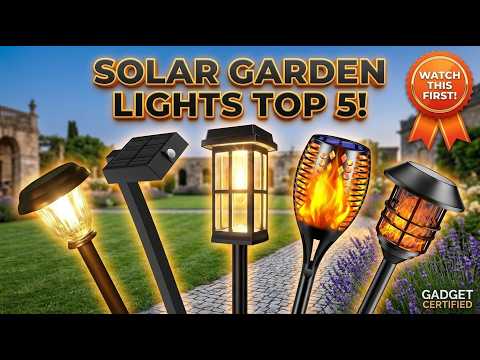
These are the most popular option for homeowners. Low-profile solar stake lights sit along walkways, garden borders, and flower beds, providing gentle guidance and ambient glow. Most pathway models range from 2 to 10 lumens per fixture, creating a soft, inviting atmosphere without overwhelming the landscape.
Solar Spotlights and Flood Lights
Directional solar spotlights highlight architectural features, trees, or garden sculptures. Solar flood lights cover broader areas and are ideal for illuminating large sections of a yard or deterring unwanted visitors. These fixtures typically output between 50 and 300 lumens, depending on panel size and battery capacity.
Solar String Lights
For a festive, warm ambiance, solar string lights drape beautifully over pergolas, fences, and tree branches. They are increasingly popular for outdoor entertaining spaces and come in various color temperatures from warm amber to cool white.

Solar Post Lights
Tall solar post lights mount on deck posts, fence posts, or standalone poles. They provide elevated illumination that improves visibility across larger areas while adding a decorative element to your landscape architecture.
Key Features to Look For
Shopping for solar landscape lighting can be overwhelming given the sheer number of options available. Focus on these critical specifications to make an informed decision.
- Solar Panel Efficiency: Monocrystalline panels convert more sunlight into energy than polycrystalline or thin-film alternatives. Look for panels with at least 15–18% efficiency for reliable charging.
- Battery Capacity (mAh): Higher capacity batteries — 2000mAh and above — store more energy, translating into longer nighttime runtime even on cloudy days.
- LED Quality: Episodic LED chips with a color rendering index (CRI) above 80 produce warmer, more natural light compared to cheap alternatives that cast a harsh blue tint.
- IP Rating for Weather Resistance: An IP65 or IP67 rating ensures the fixture is fully dust-tight and can handle heavy rain or even temporary submersion.
- Dusk-to-Dawn Operation: Advanced photocells detect ambient light levels and activate automatically at sunset, shutting off at sunrise without manual intervention.
Benefits of Solar-Powered Landscape Lighting
The advantages of switching to solar landscape lighting extend far beyond simply saving on electricity bills.
- Zero Energy Costs: Once installed, solar lights operate entirely free of charge since they draw power from the sun.
- Easy Installation: There are no wires to run, no digging trenches, and no need for an electrician. Most fixtures stake directly into the ground or mount in minutes.
- Environmental Sustainability: Solar lighting reduces your carbon footprint by eliminating dependence on grid electricity, much of which still comes from fossil fuels.
- Enhanced Safety and Security: Well-placed solar lights illuminate dark corners, pathways, and entry points, reducing trip hazards and discouraging trespassers.
- Low Maintenance: Quality solar fixtures require minimal upkeep — occasional cleaning of the solar panel and periodic battery replacement every 2–3 years.
- Versatile Placement: Because there are no power outlets needed, you can place solar lights anywhere the sun reaches, giving you complete design freedom.
How to Choose the Right Solar Lights for Your Yard
Selecting the perfect solar landscape lighting involves evaluating your specific outdoor environment and lighting goals.
Assess Sunlight Exposure
Solar panels need a minimum of 6–8 hours of direct sunlight daily to fully charge. Shade from large trees, fences, or building overhangs significantly reduces performance. Before purchasing, walk your yard at different times of day to identify the sunniest spots where fixtures will perform best.
Match Brightness to Purpose
For ambient pathway lighting, lower-lumen fixtures (2–10 lm) work beautifully. For task lighting near steps or entryways, choose 20–50 lumens. Security and flood lighting demand 100+ lumens. Understanding lumen output helps you avoid underperforming or overpowering your landscape.
Consider Aesthetic Design
Solar lights come in countless styles — from modern brushed aluminum to rustic lantern designs and classic lantern-post silhouettes. Choose fixtures that complement your home’s architectural style and the overall theme of your garden.
Installation Tips and Best Practices
Proper installation makes a dramatic difference in how well your solar landscape lighting performs.

- Position solar panels facing south (in the Northern Hemisphere) for maximum sun exposure.
- Clean the solar panel surface monthly to remove dust, pollen, and debris that block light absorption.
- Space pathway lights 6–8 feet apart for even, consistent illumination along walkways.
- Install solar fixtures away from other light sources that might confuse the built-in photocell sensor.
- Place solar stake lights in firm, compacted soil rather than loose mulch where they can tilt or sink over time.
- Remove batteries during winter months if you live in an area with prolonged snow cover to preserve battery health.
Comparison: Common Solar Landscape Light Types
| Type | Avg. Lumens | Runtime | Best Use | Price Range |
| Solar Pathway Lights | 2–10 lm | 8–12 hrs | Walkways, garden edges | $10–$35 each |
| Solar Spotlights | 20–100 lm | 6–10 hrs | Accent features, trees | $20–$60 each |
| Solar Flood Lights | 100–300 lm | 6–8 hrs | Security, large areas | $30–$100 each |
| Solar String Lights | 0.5–3 lm/bulb | 6–10 hrs | Patios, pergolas, events | $15–$50 per set |
| Solar Post Lights | 10–30 lm | 8–14 hrs | Deck posts, entrances | $25–$80 each |
Expert Tips for Maximizing Solar Light Performance
Even the best solar landscape lighting system underperforms if not properly maintained and positioned. Here are professional-grade tips that make a tangible difference.
First, consider seasonal sun angles. In winter, the sun sits lower on the horizon, meaning panels that receive full sun in summer might be partially shaded in December. Adjustable solar panel mounts solve this problem and are available on premium models. Second, invest in fixtures with replaceable batteries. Lithium iron phosphate (LiFePO4) batteries outlast standard NiMH cells and perform better in cold temperatures. Third, use a mix of light temperatures — warm white (2700K–3000K) for ambient areas and cool white (4000K–5000K) for task and security zones — to create visual depth and hierarchy in your landscape.
Finally, don’t overlook the importance of light diffusion. Fixtures with frosted or shielded lenses reduce glare and distribute light more evenly than exposed LED designs. This subtle detail elevates the overall quality of your outdoor lighting from basic to professional.
Conclusion
Landscape solar lights represent one of the smartest investments any homeowner can make for their outdoor space. They combine energy efficiency, effortless installation, and stunning visual results without the ongoing costs and complexity of wired systems. By understanding the different types available, prioritizing key features like solar panel efficiency and battery capacity, and following proper placement and maintenance practices, you can create a beautifully illuminated landscape that enhances safety, security, and curb appeal year after year. Start small with a few pathway lights, then expand your solar lighting system as you discover what works best for your garden. The sun is your free electrician — it’s time to put it to work.
Frequently Asked Questions
How long do landscape solar lights last on a single charge?
Most quality solar landscape lights run between 8 and 12 hours on a full charge, depending on battery capacity, LED efficiency, and the amount of sunlight the panel received during the day. High-capacity lithium models tend toward the upper end of that range, while budget fixtures may last 5–7 hours.
Do solar landscape lights work on cloudy or rainy days?
Yes, but with reduced performance. Solar panels still generate electricity from diffused light on overcast days, though charging efficiency drops by 30–50% compared to direct sunlight. Quality solar lights with large battery reserves can compensate for several cloudy days before runtime is noticeably affected.
Can I replace the batteries in solar landscape lights?
Many models feature accessible battery compartments that accept standard replaceable NiMH or lithium rechargeable batteries. However, some budget fixtures have sealed, non-replaceable battery packs. Always check product specifications before purchasing if long-term serviceability matters to you.
What is the best placement for solar landscape lights to ensure maximum charging?
Place solar panels where they receive uninterrupted direct sunlight for at least 6–8 hours daily. Avoid positioning fixtures near tall fences, dense tree canopy, or north-facing walls (in the Northern Hemisphere). South-facing open areas with no obstructions deliver the most consistent and powerful charging results.
Are solar landscape lights waterproof enough for winter use?
Most quality solar landscape lights carry an IP65 or IP67 waterproof rating, making them fully capable of withstanding rain, snow, and freezing temperatures. However, extended ice buildup on the solar panel can block light absorption. Periodically clearing snow from the panel surface during winter months ensures continued charging performance throughout the colder season.