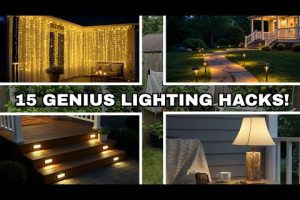
When you walk through a beautifully lit garden after sunset, the atmosphere feels almost magical. That magic increasingly comes from a lamp solar garden — a self-sufficient, energy-efficient lighting solution that transforms ordinary outdoor spaces into enchanting nighttime retreats. Whether you have a sprawling backyard, a cozy patio, or a modest balcony garden, solar-powered garden lamps offer a practical and eco-friendly way to illuminate your outdoor areas without the hassle of wiring or electricity bills. In this comprehensive guide, we will dive deep into everything you need to know about solar garden lighting, from choosing the right type to installing it for maximum impact and longevity.
What Is a Lamp Solar Garden and Why It Matters
A lamp solar garden refers to any outdoor light fixture powered entirely by sunlight through integrated photovoltaic panels. These devices store energy in built-in rechargeable batteries — typically lithium-ion or NiMH — and automatically activate at dusk using a light sensor. The beauty of a solar garden lamp lies in its independence from the electrical grid, making it an ideal choice for homeowners seeking sustainable, low-maintenance outdoor lighting.
The global push toward renewable energy and smart home technology has accelerated the popularity of solar garden lighting. Unlike traditional landscape lights that require professional installation and consume grid electricity, solar garden lamps are portable, cost-free to operate, and environmentally responsible. They align perfectly with modern landscaping trends that prioritize green living and energy efficiency.
How Solar Garden Lamps Actually Work
Understanding the mechanics behind a solar powered garden lamp helps you make better purchasing decisions. Here is a simplified breakdown of the process:
- The photovoltaic (PV) panel on top of the lamp absorbs sunlight during the day.
- The panel converts solar energy into electrical current and stores it in a rechargeable battery.
- A built-in photoresistor or ambient light sensor detects when natural light drops below a certain threshold.
- The lamp automatically switches on and illuminates your garden using the stored energy.
- At dawn, the sensor triggers the lamp to turn off, and the charging cycle begins again.
Most quality solar garden lamps need approximately six to eight hours of direct sunlight to fully charge and can provide reliable illumination for eight to twelve hours overnight. Cloudy conditions or partial shade will reduce performance, which is why placement matters enormously.
Types of Solar Garden Lamps You Should Consider
The market for outdoor solar garden lighting has expanded dramatically, and today you can find specialized lamp designs for every purpose and aesthetic preference.
1. Solar Pathway Lights
These are the most common type of solar garden lamp. They sit low to the ground along walkways, driveways, and garden borders. Pathway lights typically feature a downward-facing LED bulb and a frosted or colored plastic housing. They create a soft, guiding glow that enhances safety and visual appeal.
2. Solar Spotlights and Floodlights
For homeowners who want to highlight specific features — a mature oak tree, a garden sculpture, or a architectural facade — solar spotlights deliver focused, brighter beams. Many models include adjustable heads and multiple lighting modes such as flood, spotlight, or ambient dimming.
3. Solar String Lights and Lanterns
Popular for patio gatherings and festive occasions, solar string lights drape elegantly across pergolas, fences, and tree branches. They offer a warm, inviting atmosphere and are available in various color temperatures, from warm white to multicolor options.
4. Solar Step and Deck Lights
Designed specifically for stairs and elevated surfaces, these compact fixtures prevent accidents by clearly marking each step. They are weather-resistant and built to withstand foot traffic.
Key Benefits of Choosing Solar-Powered Garden Lighting
Switching to a lamp solar garden setup delivers advantages that go far beyond simple aesthetics:
- Zero Electricity Costs: Solar lamps run entirely on free, renewable sunlight, which means your monthly energy bill does not increase by even a single cent.
- Easy Installation: Most solar garden lights are stake-mounted or surface-placed. There is no wiring, no electrical permits, and no need to hire an electrician.
- Environmentally Friendly: By using clean solar energy, you reduce your carbon footprint and contribute to lower greenhouse gas emissions.
- Low Maintenance: Quality solar lamps require minimal upkeep. Periodic cleaning of the PV panel and occasional battery replacement are usually all that is needed.
- Enhanced Safety and Security: Well-placed solar lights illuminate dark corners, pathways, and entry points, deterring intruders and reducing the risk of trips and falls.
- Versatility and Portability: Because they are wireless, solar garden lamps can be moved easily to experiment with different layouts or relocated during garden redesigns.
How to Choose the Best Solar Garden Lamp for Your Space
Selecting the right solar garden lamp requires careful consideration of several factors. Here is a detailed guide to help you make an informed decision:
Consider Solar Panel Efficiency
Not all photovoltaic panels are created equal. Monocrystalline solar panels offer the highest efficiency rates, often exceeding 20%, while polycrystalline panels are more affordable but slightly less efficient. For optimal performance, choose lamps equipped with monocrystalline cells, especially if your garden receives limited direct sunlight.
Evaluate Battery Capacity and Type
The battery determines how long your lamp will shine after dark. Look for lamps with lithium-ion or lithium iron phosphate (LiFePO4) batteries, as they offer superior capacity, longer lifespan, and better performance in varying temperatures compared to older NiMH alternatives.
Check the LED Quality

The LED bulb is the heart of any solar garden lamp. High-quality LEDs from brands such as Bridgelux or Epistar deliver brighter lumens per watt and last significantly longer. Aim for lamps with a color temperature between 2700K and 4000K for a warm, natural outdoor ambiance.
Look for Weather Resistance Ratings
Garden lamps endure rain, snow, humidity, and extreme temperatures. An IP65 or higher Ingress Protection rating ensures the fixture is fully dust-proof and protected against low-pressure water jets. For coastal or heavily humid areas, consider IP67-rated models for added durability.
Choose the Right Brightness and Mode
Solar lamps come with various brightness settings — from dim ambient modes that conserve battery to high-intensity modes for maximum illumination. Some models offer motion sensor activation, which saves energy and startles unwelcome visitors. Multi-mode lamps give you the flexibility to adapt lighting to different occasions.
Installation Tips and Placement Strategies for Maximum Performance
Proper installation is the difference between a solar garden lamp that performs brilliantly for years and one that underperforms within weeks. Follow these expert strategies:
- Place panels in full sun: Ensure the solar panel receives at least six hours of direct, unobstructed sunlight daily. Trim overhanging branches and avoid placing lamps near tall structures that cast shadows.
- Angle the panel southward: In the Northern Hemisphere, a south-facing orientation maximizes solar exposure. Adjust the panel angle seasonally if your lamp allows it.
- Space pathway lights evenly: For consistent illumination, place solar pathway lamps every 1.5 to 2.5 meters (approximately 5 to 8 feet) apart along walkways and garden edges.
- Elevate spotlight fixtures: Mount solar spotlights on stakes, walls, or posts at a height of 0.6 to 1.2 meters (2 to 4 feet) for the best beam spread on targeted features.
- Clean panels regularly: Dust, pollen, bird droppings, and snow can drastically reduce charging efficiency. Wipe the solar panel with a damp cloth every two to four weeks.
- Pre-charge before first use: For the best initial performance, place your new solar lamps in direct sunlight for a full day before turning them on for the first time.
Popular Solar Garden Lamp Brands and Comparison
With so many options on the market, choosing a trusted brand can simplify your decision. Below is a comparison of well-regarded solar garden lamp brands and their standout features:
| Brand | Best For | Panel Type | Avg. Runtime | IP Rating |
| URPOWER | Pathway lighting | Monocrystalline | 8-10 hours | IP44 |
| Baxia Technology | Motion security | Monocrystalline | 6-8 hours | IP65 |
| Aootek | Bright spotlights | Polycrystalline | 6-12 hours | IP65 |
| BLINGIT | String and ambient | Monocrystalline | 8-10 hours | IP65 |
| LITOM | High-capacity spotlights | Monocrystalline | 10-14 hours | IP66 |
When reviewing these options, consider your specific garden layout, the amount of direct sunlight your property receives, and the level of brightness you need. Higher-priced models from brands like LITOM and Baxia Technology typically offer better build quality, superior battery life, and more advanced features such as adaptive brightness sensors.
Advanced Tips for Optimizing Solar Garden Lamp Performance
For experienced gardeners and homeowners looking to squeeze every drop of performance from their solar lighting setup, consider these advanced recommendations:
- Use reflective surfaces: Place light-colored stones, white walls, or mirrors near your solar lamps to amplify and redirect the light, effectively increasing illumination coverage without consuming additional battery power.
- Invest in replaceable batteries: After two to three years, rechargeable batteries lose significant capacity. Choosing lamps with accessible, replaceable batteries extends the overall lifespan of the fixture.
- Combine lamp types: Create a layered lighting design by mixing pathway lights, spotlights, and string lights. This approach adds depth, dimension, and visual interest to your garden at night.
- Monitor seasonal performance: During winter months or overcast seasons, solar lamp performance naturally decreases. Position lamps strategically to capture the lowest-angle winter sunlight, and consider temporarily relocating them to sunnier spots.
- Apply clear sealant to screws: If your lamp has exposed metal screws, applying a small amount of clear outdoor sealant prevents corrosion and extends the structural life of the fixture.
Conclusion
A lamp solar garden is one of the smartest investments any homeowner can make for their outdoor space. It combines sustainability, convenience, and aesthetic appeal into a single, self-sufficient package. Whether you are a beginner looking for an easy way to light up your garden path or an experienced homeowner aiming to create a sophisticated layered lighting design, solar garden lamps deliver outstanding value. By choosing high-quality panels, reliable batteries, and well-designed LED fixtures, and by following proper placement and maintenance practices, you will enjoy a beautifully illuminated garden for years to come — powered entirely by the sun.
Frequently Asked Questions About Solar Garden Lamps
1. How long do solar garden lamps typically last?
A well-maintained solar garden lamp can last anywhere from two to five years for the full unit, while the LED bulb itself often lasts 25,000 to 50,000 hours. The rechargeable battery typically needs replacement every two to three years depending on usage and climate conditions.
2. Do solar garden lamps work on cloudy or rainy days?

Yes, solar garden lamps still charge on cloudy days, but at a significantly reduced rate. A monocrystalline panel performs better in low-light conditions than a polycrystalline panel. On fully overcast days, you can expect roughly 30-50% of the normal charging capacity, which is usually sufficient for shorter overnight illumination periods.
3. Can I replace the battery in my solar garden lamp?
Many solar garden lamps come with replaceable batteries, particularly higher-end models. Check the manufacturer’s specifications before purchasing. Lithium-ion batteries are the most common replacement type and are widely available online. Always match the battery voltage and capacity to the original specifications to avoid damaging the lamp.
4. What is the best color temperature for a solar garden lamp?
For a warm, inviting garden ambiance, choose solar lamps with a color temperature of 2700K to 3000K, which produces a soft warm white light. If you need brighter task lighting for pathways or security purposes, lamps rated at 4000K to 5000K (cool white or daylight) provide better visibility. Most homeowners prefer warm white for general garden decoration and cool white for functional safety lighting.
5. How do I make my solar garden lamp shine brighter?
Several factors affect brightness. First, ensure the solar panel receives maximum direct sunlight and is kept clean. Second, choose a lamp with a higher lumen output — at least 50 to 100 lumens per fixture for pathway lights and 100 to 300 lumens for spotlights. Third, consider using high-quality replaceable batteries with greater capacity, and position the lamp away from competing light sources that might interfere with the photoresistor sensor.