If you have ever walked into a greenhouse and wondered how those plants thrive through the darkest winter months, the answer almost always comes down to one critical element: greenhouse lights. Whether you are a hobbyist growing herbs on a windowsill or a commercial grower managing acres of glass structures, understanding your lighting options can mean the difference between a mediocre harvest and a thriving, productive growing environment. This comprehensive guide breaks down everything you need to know about selecting, installing, and optimizing greenhouse lighting systems for every skill level.
What Are Greenhouse Lights and Why Do They Matter?
Greenhouse lights are specialized artificial lighting systems designed to supplement or replace natural sunlight inside growing structures. Unlike standard household bulbs, these lights are engineered to emit specific wavelengths of light that drive photosynthesis — the process plants use to convert light energy into food. Without adequate light, even the most perfectly maintained greenhouse can become a barren space during short winter days or in heavily shaded locations.
The importance of greenhouse lighting extends far beyond simply keeping plants alive. The right lighting system influences plant morphology, flowering cycles, fruit production, and overall crop quality. For growers who want to extend growing seasons, start seedlings early, or cultivate light-demanding tropical species in temperate climates, investing in high-quality grow lights is not optional — it is essential.
Types of Greenhouse Lights Compared
Not all grow lights are created equal. Each technology has distinct advantages, trade-offs, and ideal use cases. Below is a detailed look at the most common types of greenhouse lighting available today.
LED Grow Lights
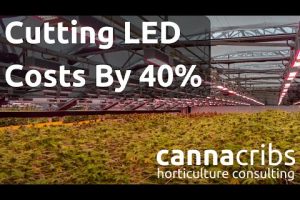
LED greenhouse lights have revolutionized the industry over the past decade. These fixtures use semiconductor diodes to produce light with remarkable energy efficiency and precision. Modern horticultural LEDs can be tuned to emit specific spectra — red, blue, white, and even far-red wavelengths — tailored to different growth stages.
- Energy efficiency: LEDs consume up to 50% less electricity than older technologies.
- Lifespan: Quality LED panels last 50,000 to 100,000 hours.
- Heat output: Minimal heat production reduces cooling costs and burn risk.
- Spectrum control: Full-spectrum and adjustable models allow customized photoperiod management.
HPS (High-Pressure Sodium) Lights
HPS grow lights have been the backbone of commercial greenhouse lighting for decades. These high-intensity discharge lamps produce a warm orange-red spectrum that is particularly effective during the flowering and fruiting stages. However, they generate significant heat and consume more electricity than modern alternatives.
- Best for: Flowering and fruiting stages of plant growth.
- Drawbacks: High heat output requires ventilation; shorter lifespan compared to LEDs.
- Energy consumption: Typically higher per watt of usable light delivered.
Fluorescent Grow Lights
Fluorescent greenhouse lights — including T5 and T8 tube fixtures — are popular among beginners and small-scale growers. They are affordable, produce moderate heat, and provide a balanced spectrum suitable for vegetative growth and seedling propagation.
- Ideal for: Starting seedlings, growing leafy greens, and low-light plants.
- Limitations: Lower intensity makes them less effective for dense canopies or fruiting crops.
- Cost: Budget-friendly upfront but may require frequent bulb replacements.
Full-Spectrum Lighting Options
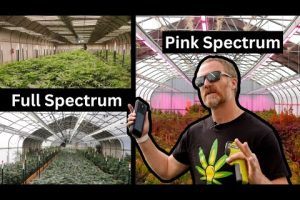
Full-spectrum greenhouse lights attempt to replicate the natural solar spectrum, covering ultraviolet, visible, and infrared wavelengths. These fixtures are popular among growers who want a “set it and forget it” solution that supports plants from seedling to harvest without swapping bulbs or adjusting spectrums.
| Light Type | Efficiency | Best For | Lifespan | Cost Level |
| LED | Very High | All growth stages | 50,000–100,000 hrs | Medium–High |
| HPS | Moderate | Flowering/Fruiting | 10,000–24,000 hrs | Low–Medium |
| Fluorescent (T5) | Moderate | Seedlings/Vegetative | 10,000–20,000 hrs | Low |
| Full-Spectrum LED | Very High | Entire growth cycle | 50,000+ hrs | Medium–High |
How to Choose the Right Greenhouse Lighting System
Selecting the best greenhouse lights for your setup requires evaluating several factors. Light intensity, measured in Photosynthetic Photon Flux Density (PPFD), determines how much usable light your plants actually receive. Coverage area dictates how many fixtures you need, while spectrum influences whether your plants focus on leaf growth, flowering, or fruit production.
For beginners, starting with a reliable full-spectrum LED panel provides the most forgiving and versatile option. Intermediate growers may benefit from pairing blue-rich lights for vegetative growth with supplemental red-spectrum fixtures to trigger blooming. Advanced cultivators often integrate programmable lighting controllers that automate photoperiods, dimming schedules, and spectrum shifts based on growth phase.
Expert tip: Always calculate your wattage needs based on the specific light requirements of your crop. Leafy greens typically need 200–400 µmol/m²/s, while fruiting crops like tomatoes and peppers demand 600–1,000 µmol/m²/s for optimal yields.
Best Practices for Greenhouse Light Placement and Timing

Where and how you position your greenhouse lighting system dramatically affects plant performance. Mounting lights too close can cause photobleaching and leaf burn, while mounting them too far results in leggy, weak growth.
- Hang lights at the correct height: LED panels are typically mounted 12–24 inches above the canopy, while HPS fixtures require 18–36 inches due to higher heat output.
- Use reflective surfaces: Mylar or white-painted walls inside your greenhouse bounce light back toward plants, increasing efficiency by up to 30%.
- Implement a consistent photoperiod: Most plants thrive on 14–18 hours of artificial light during the vegetative stage and 10–12 hours during flowering.
- Install light movers: These track-mounted systems distribute light evenly across a wider area, reducing hot spots and shadowing.
- Monitor with a PAR meter: A quantum sensor helps you verify that light levels are uniform and within your crop’s optimal range.
Timing and Photoperiod Management
Controlling when your greenhouse lights turn on and off is just as important as the light itself. Many growers use programmable timers or smart controllers to simulate natural daylight patterns. For photoperiod-sensitive plants like chrysanthemums and poinsettias, even a 15-minute disruption in the dark period can disrupt flowering entirely. Always ensure your plants receive uninterrupted darkness during their required “night” cycle, as this is when critical metabolic processes like respiration and hormone production occur.
Common Mistakes When Using Greenhouse Grow Lights
Even experienced growers sometimes make errors that waste energy, damage crops, or shorten equipment life. Avoid these common pitfalls:
- Overlooking heat management: Even LEDs produce some heat. Without proper airflow, canopy temperatures can rise and stress plants.
- Ignoring the daily light integral (DLI): DLI measures total light delivered over 24 hours. Focusing only on intensity without considering duration leads to under- or over-lighting.
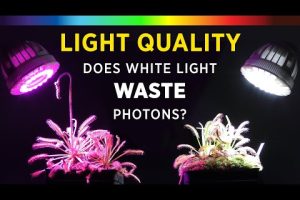
- Using the wrong spectrum at the wrong stage: Running only red light during vegetative growth produces stretched, unhealthy plants. A balanced spectrum is critical at every phase.
- Cheap knockoff fixtures: Low-cost, uncertified grow lights often deliver inconsistent spectra and fail prematurely, costing more in the long run.
Advanced Greenhouse Lighting Strategies for Year-Round Growing
For serious growers aiming for continuous production, advanced lighting strategies go beyond simply hanging a few panels. Light-deprivation techniques, interlighting, and supplemental lighting at the canopy level all play roles in maximizing photosynthetic efficiency throughout the year.
Interlighting involves placing smaller grow lights between plant rows at canopy height. This eliminates the problem of light being blocked by upper leaves and ensures every leaf receives direct photons. Commercial tomato and cannabis growers increasingly rely on interlighting to boost yields by 20–30% compared to top-only illumination.
Light deprivation combined with automated greenhouse lights allows growers to force flowering on demand. By using blackout curtains and precisely timed supplemental lighting, you can trigger multiple harvests per year regardless of seasonal changes. This technique requires careful synchronization between your lighting schedule and your greenhouse’s environmental controls.
Pro tip for advanced users: Consider integrating your greenhouse lights with a centralized climate computer. Systems like these adjust light intensity in response to temperature, CO₂ levels, and humidity data, creating a fully optimized growing environment that responds dynamically to real-time conditions.
Conclusion
Greenhouse lights are far more than a convenience — they are the engine behind every successful off-season harvest, every robust seedling tray, and every high-yield indoor growing operation. From energy-efficient LEDs to time-tested HPS fixtures, the right lighting choice depends on your crop, your scale, and your long-term goals. By understanding the spectrum, intensity, placement, and timing of your greenhouse grow lights, you take full control of your growing environment and unlock the potential to cultivate thriving plants year-round.
Start with the basics, invest in quality equipment, monitor your results, and refine your approach as your experience grows. The best greenhouse lighting setup is not the most expensive one — it is the one that works intelligently for your specific plants and your unique growing space.
Frequently Asked Questions About Greenhouse Lights

What is the best greenhouse light for a beginner grower?
A full-spectrum LED grow light panel is the best starting point for beginners. These fixtures are energy-efficient, easy to install, require minimal maintenance, and provide a balanced spectrum that supports plants through every growth stage without needing to swap bulbs or adjust settings frequently.
How many hours per day should greenhouse grow lights be on?
Most greenhouse plants thrive with 14–16 hours of artificial light per day during the vegetative stage and 10–12 hours during the flowering stage. The remaining hours should be uninterrupted darkness, as plants need their dark cycle for respiration and critical hormonal processes.
Can regular LED household bulbs be used as greenhouse lights?
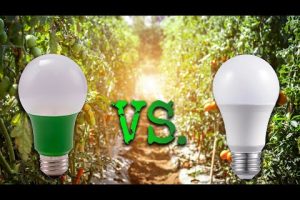
Regular household LED bulbs are not suitable for greenhouse growing. They lack the specific red and blue wavelengths required for photosynthesis and deliver insufficient intensity for anything beyond very low-light houseplants. Horticultural-grade grow lights are specifically engineered to meet the photosynthetic needs of plants.
How do I calculate how many greenhouse lights I need?
Calculate your total growing area in square feet, then match it to the coverage area listed on your chosen light’s specifications. As a general rule, you need approximately 30–50 watts of actual LED power per square foot for high-light fruiting crops and 15–25 watts per square foot for leafy greens and herbs.
Do greenhouse lights increase electricity bills significantly?
The impact on electricity bills depends on the technology you choose and your local energy rates. Modern LED greenhouse lights are significantly more efficient than HPS or fluorescent alternatives, often using 40–60% less power for the same light output. Pairing LEDs with timers and smart controls further minimizes energy waste.