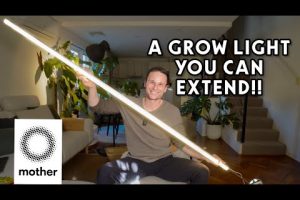
If you have ever stepped into a greenhouse and marveled at how thriving plants look even in the dead of winter, you have likely witnessed the transformative power of greenhouse grow lights. These specialized lighting systems are not just supplementary accessories; for many serious growers, they are the backbone of year-round cultivation. Whether you are a hobbyist nurturing a few tomato plants or a commercial operation managing acres of produce, understanding how to select, install, and optimize greenhouse grow lights can mean the difference between a mediocre harvest and an extraordinary one. This guide dives deep into the types, technologies, placement strategies, and common pitfalls so you can make informed decisions that will elevate your growing game.
What Are Greenhouse Grow Lights and Why Do They Matter

Greenhouse grow lights are engineered lighting systems designed to supplement or replace natural sunlight inside a greenhouse environment. They deliver specific wavelengths of light that plants need for photosynthesis, growth, and flowering. In regions where daylight hours are short or light intensity is weak during certain seasons, these fixtures become essential for maintaining healthy crop development.
The core reason greenhouse grow lights matter comes down to photoperiod control and light intensity supplementation. Plants rely on light not just for energy but also as a signal for developmental stages like vegetative growth and blooming. Without adequate light, plants stretch, produce fewer fruits, and become vulnerable to disease. By investing in quality grow lights, you take control of the growing environment regardless of what the weather or season throws at you.
How Plants Use Light for Photosynthesis
Plants absorb light primarily through chlorophyll, using red and blue wavelengths most efficiently. Green light is partially reflected, which is why leaves appear green to our eyes. However, the full spectrum still plays a role in plant morphology and internal signaling. Modern greenhouse grow lights are designed to emit a balanced spectrum that mirrors what the sun provides, ensuring plants receive everything they need across all growth stages.
Types of Greenhouse Grow Lights Available
Not all grow lights are created equal. The market offers several distinct technologies, each with its own strengths, weaknesses, and ideal use cases. Understanding these options is the first step toward choosing the right system for your greenhouse.
LED Grow Lights
LED (Light Emitting Diode) grow lights have revolutionized the greenhouse industry in the last decade. They are energy-efficient, produce minimal heat, and offer full-spectrum capabilities that can be customized to match specific crop needs. LEDs also last significantly longer than older technologies, often operating for 50,000 to 100,000 hours before dimming below useful levels.
For greenhouse growers, the biggest advantages of LED systems include:
- Dramatic energy savings compared to traditional lighting
- Precise wavelength tuning for different growth phases
- Lower cooling requirements inside the greenhouse
- Diminishing fixture costs as technology matures
- Compact form factors that fit tight spaces
Fluorescent Grow Lights
Fluorescent lighting, including T5 and T8 tube formats, has been a staple in greenhouse and indoor growing for decades. These lights run cooler than HID alternatives and deliver a decent spectrum for vegetative growth. They are particularly popular among beginners and small-scale growers who need affordable, reliable lighting for seedlings and leafy greens.
High-Intensity Discharge (HID) Lights
HID lights encompass both Metal Halide (MH) and High-Pressure Sodium (HPS) fixtures. Metal halide bulbs emit a bluish-white spectrum ideal for vegetative growth, while high-pressure sodium bulbs produce warm red-orange light that promotes flowering and fruiting. HID systems are powerful and proven, but they consume more electricity and generate significant heat, requiring robust ventilation in the greenhouse.
How to Choose the Right Greenhouse Grow Light
Selecting the best greenhouse grow light for your setup requires evaluating several interconnected factors. Jumping to a purchase without this analysis often leads to wasted money and disappointing results.
Light Spectrum and PPFD Considerations
PPFD, or Photosynthetic Photon Flux Density, measures the amount of photosynthetically active radiation (PAR) that reaches your plant canopy. Different crops have different PPFD requirements. Leafy greens like lettuce thrive at lower PPFD levels around 200 to 400 µmol/m²/s, while fruiting crops like tomatoes and peppers demand 600 to 900 µmol/m²/s or more during peak flowering.
The light spectrum matters just as much. Full-spectrum LED fixtures closely replicate natural sunlight and work well for all growth stages. However, some growers prefer to switch between blue-dominant lights for vegetative growth and red-dominant lights during flowering to optimize results.
Coverage Area and Wattage Guidelines
As a general rule of thumb, you need roughly 30 to 50 watts of actual power draw per square foot of growing area for high-light crops. For low-light greens, 15 to 25 watts per square foot is often sufficient. Always check the manufacturer’s footprint chart, as the spread of light varies significantly between fixtures and hanging heights.

| Light Type | Best For | Lifespan | Energy Efficiency | Heat Output |
| LED | All growth stages, year-round growing | 50,000–100,000 hrs | Excellent | Low |
| Fluorescent (T5) | Seedlings, leafy greens, cloning | 10,000–20,000 hrs | Good | Low |
| Metal Halide (HID) | Vegetative growth phase | 6,000–15,000 hrs | Moderate | High |
| HPS (HID) | Flowering and fruiting | 10,000–24,000 hrs | Moderate | High |
Best Practices for Installing Greenhouse Grow Lights
Proper installation is just as critical as choosing the right fixture. Even the best greenhouse grow lights will underperform if they are not set up correctly. Here are key installation principles every grower should follow.
- Hang lights at the correct height. LED fixtures can typically be mounted 18 to 36 inches above the canopy, while HID lights need more clearance, often 24 to 48 inches, to prevent light burn and excess heat buildup.
- Use a light mover or adjust hanging height. Light movers distribute light more evenly across the growing area, reducing hot spots and shadows. This simple addition can improve light uniformity by 20 to 30 percent.
- Install a programmable timer. Photoperiod control is one of the most powerful tools available. Most fruiting plants perform well with 14 to 16 hours of light per day during the growth phase, reducing to 12 hours to trigger flowering.
- Ensure proper electrical capacity. High-wattage greenhouse grow lights draw significant amperage. Have a licensed electrician verify that your circuits and outlets can handle the load safely.
- Reflective surfaces matter. Mylar sheets, white-painted walls, or reflective hoods around fixtures bounce light back toward the canopy, increasing overall efficiency without using more electricity.
Expert Tips for Maximizing Your Grow Light Performance
Once your greenhouse grow lights are installed, the work does not stop there. Experienced growers use several strategies to squeeze every photon of value from their lighting system.
- Monitor with a PAR meter. A quantum sensor gives you real-time PPFD readings at canopy level, allowing you to fine-tune hanging height and fixture spacing for uniform coverage.
- Combine natural and artificial light strategically. Greenhouse grow lights work best as supplements during low-light periods. Smart controllers can dim or turn off lights automatically when sunlight intensity is sufficient, saving energy.
- Clean fixtures regularly. Dust and condensation on LED lenses or fluorescent tubes can reduce light output by 10 to 20 percent over time. A simple wipe-down every few weeks makes a measurable difference.
- Rotate your plants. Even with good light distribution, plants on the edges of a fixture’s coverage area receive less light. Regular rotation ensures all plants develop evenly.
- Consider light intensity ramping. Many modern LED controllers allow you to gradually increase light intensity over the first few weeks. This mimics natural sunrise and reduces plant stress during transitions.
Common Mistakes to Avoid with Greenhouse Grow Lights
Even knowledgeable growers can fall into traps when it comes to artificial lighting in greenhouses. Being aware of these mistakes helps you avoid costly errors.
- Overlooking heat management. HID fixtures and even some older LEDs can raise greenhouse temperatures significantly. Without adequate ventilation, your plants may suffer from heat stress even if the light itself is perfect.
- Buying based on wattage alone. Wattage tells you energy consumption, not light output. Two 500-watt fixtures from different manufacturers can deliver vastly different PPFD levels depending on diode quality and optics.
- Ignoring the photoperiod. Leaving lights on 24 hours a day is a common beginner mistake. Plants need a dark period for respiration and metabolic processes. Disrupting this cycle leads to weakened plants and reduced yields.
- Skipping the spectrum match. Using a vegetative-spectrum light during the flowering phase, or vice versa, leaves performance on the table. Full-spectrum fixtures eliminate this issue but come at a higher initial cost.
Conclusion
Greenhouse grow lights are one of the most impactful investments you can make in your growing operation. From selecting the right technology and spectrum to optimizing placement and photoperiod schedules, every decision shapes your results. LED fixtures lead the way for most modern growers thanks to their efficiency, longevity, and spectral flexibility, but fluorescent and HID options still have their place depending on your budget and crop type. By following the best practices outlined in this guide, avoiding common pitfalls, and continually monitoring your light environment, you will set yourself up for healthier plants, higher yields, and a more sustainable growing operation year-round.
Frequently Asked Questions
How many hours per day should greenhouse grow lights be on?
Most greenhouse crops benefit from 12 to 16 hours of artificial light per day, depending on the growth stage. Vegetative plants typically do well with 16 hours of light, while flowering plants often perform best with a 12-hour light/12-hour dark cycle. Always research the specific photoperiod needs of your crop to avoid stressing the plants.
Can I use regular LED bulbs as greenhouse grow lights?
Standard household LED bulbs are not designed for plant growth and lack the specific wavelengths plants need. They may provide minimal light, but they will not deliver the PPFD levels or spectral balance required for robust growth. Purpose-built greenhouse grow lights are specifically engineered for horticultural performance.
What is the difference between PPFD and PAR in greenhouse lighting?
PARS, or Photosynthetically Active Radiation, refers to the range of light wavelengths (400 to 700 nm) that plants use for photosynthesis. PPFD, or Photosynthetic Photon Flux Density, measures the actual number of photosynthetic photons reaching a specific area per second, expressed in µmol/m²/s. PPFD gives you a quantifiable metric to compare greenhouse grow light performance at canopy level.
How far should greenhouse grow lights be from the plant canopy?
The ideal hanging distance depends on the light type and wattage. LED fixtures typically work well at 18 to 36 inches above the canopy, while HID lights need 24 to 48 inches of clearance. Always start at the manufacturer’s recommended height and adjust based on PPFD readings and plant response to prevent light burn or insufficient coverage.
Are greenhouse grow lights worth the investment for small-scale growers?
Absolutely. Even small-scale growers benefit significantly from supplemental lighting, especially during winter months or in regions with limited sunlight. Modern LED grow lights are more affordable than ever, and the return on investment becomes clear through extended growing seasons, higher yields, and improved crop quality. Starting with a single full-spectrum LED fixture is an excellent way to test the benefits without a major commitment.