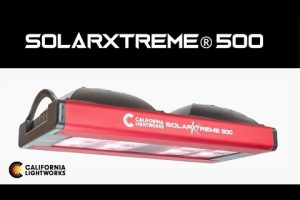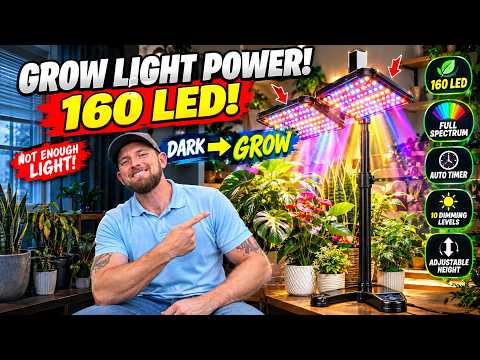
If you are serious about indoor gardening or running a commercial grow operation, choosing the right lighting can make or break your harvest. A full-spectrum LED grow light has become the gold standard for cultivators who want to replicate natural sunlight indoors, supporting every stage of plant growth from seedling to flowering. Unlike traditional grow lights that emit only narrow bands of light, full-spectrum LED panels deliver a balanced blend of wavelengths that closely mimic the sun’s natural output. In this comprehensive guide, we will explore exactly what makes full-spectrum LED lighting superior, how to select the right unit for your setup, and practical strategies to maximize your plant’s potential using these advanced grow light systems.
What Is a Full-Spectrum LED Grow Light?
A full-spectrum LED grow light is an artificial lighting system engineered to produce light across the entire visible spectrum, including ultraviolet (UV), photosynthetically active radiation (PAR), and infrared (IR) wavelengths. This broad emission profile covers everything from cool blue light at approximately 380 nanometers to warm red light extending beyond 700 nanometers. The term “full-spectrum” refers to the fact that the light output spans the complete range plants need for healthy photosynthesis, photomorphogenesis, and overall physiological development.
These LED fixtures typically combine multiple chip types within a single panel, including white LEDs with phosphor coatings, deep red diodes, and sometimes dedicated UV or IR LEDs. The result is a light that looks similar to natural daylight, making it easy to work under while delivering the precise energy profiles your plants require at every growth phase.
The Science Behind Light Spectrums and Plant Biology
Plants use different wavelengths of light for distinct biological processes. Blue light, roughly between 400 and 500 nanometers, drives vegetative growth, chlorophyll absorption, and stomatal regulation. It encourages compact, bushy growth and strong root development during the seedling and vegetative stages. Red light, spanning approximately 620 to 700 nanometers, is critical for flowering, fruiting, and stem elongation. It influences phytochrome responses that trigger bloom development in flowering plants.
Beyond visible light, ultraviolet wavelengths below 400 nanometers stimulate the production of secondary metabolites, essential oils, and protective pigments. Infrared light above 700 nanometers contributes to the Emerson enhancement effect, boosting photosynthetic efficiency when combined with red and blue wavelengths. A true full-spectrum LED grow light integrates all of these bands into a single, balanced output that supports complete plant lifecycle management.
Why Full-Spectrum LED Lighting Matters for Plant Growth
The importance of full-spectrum lighting in indoor cultivation cannot be overstated. Traditional high-intensity discharge (HID) lamps and narrow-band LED boards often provide an incomplete light recipe. This gap can lead to stretched stems, delayed flowering, reduced cannabinoid or terpene production, and overall poor plant vigor. Full-spectrum LED systems address these shortcomings by delivering a photonic environment that closely mirrors outdoor growing conditions.
Here is why this matters for every stage of growth:
- Seedlings and clones: The balanced blue content in full-spectrum light promotes short, sturdy stems and healthy leaf development, preventing leggy seedlings.
- Vegetative phase: Broad-spectrum output supports robust foliage growth and maximizes the plant’s canopy surface area for photosynthesis.
- Flowering and fruiting: Enhanced red and far-red wavelengths trigger bloom sites, increase flower density, and improve fruit size and quality.
- Overall plant health: UV and IR components strengthen cell walls, boost resilience against pests and disease, and improve the production of valuable phytochemicals.
Key Benefits of Full-Spectrum LED Grow Lights
- Energy efficiency. Modern full-spectrum LED diodes convert significantly more electrical energy into usable photosynthetic light compared to HID or fluorescent alternatives. Many commercial LED panels deliver a photosynthetic photon flux efficacy above 2.5 µmol per joule, meaning your electricity bill drops substantially over time.
- Reduced heat output. Because LEDs waste far less energy as heat, you can position lights closer to the canopy without risking thermal burn. This allows for tighter planting densities and more efficient use of vertical growing space.
- Year-round cultivation. With full-spectrum LED fixtures, you are no longer dependent on seasonal sunlight or greenhouse infrastructure. You can run multiple crop cycles per year with consistent, controllable light recipes.
- Dimming and spectrum control. Many premium full-spectrum LED grow lights feature dimmable drivers and programmable spectrum profiles. This lets you adjust the blue-to-red ratio based on the growth stage, fine-tuning the light environment for maximum yield and quality.
- Long lifespan. Quality LED chips in full-spectrum fixtures typically last 50,000 to 100,000 hours, significantly outlasting HPS or CMH bulbs that require frequent replacement.
How to Choose the Right Full-Spectrum LED Grow Light
Selecting the ideal full-spectrum LED grow light depends on several factors that vary by grower experience and setup size. Beginners should focus on ease of use and appropriate coverage, while advanced cultivators may prioritize spectrum tuning, driver quality, and warranty terms.
Matching Light Intensity to Your Growing Space
Measure your grow tent or indoor garden footprint in square feet. As a general rule of thumb, most fruiting and flowering plants require approximately 30 to 50 watts of actual LED power per square foot for optimal performance. Vegetative plants can thrive at the lower end of this range, while heavy-flowering species like cannabis or tomatoes benefit from the upper end. Always check the manufacturer’s recommended coverage area rather than relying solely on wattage claims, as marketing often inflates these numbers.
Evaluating Spectrum Quality
Not all full-spectrum LEDs are created equal. Look for fixtures that publish a spectral power distribution chart or at least specify their dominant wavelengths. A high-quality full-spectrum grow light will include a meaningful proportion of both blue and red diodes, supplemented by white LEDs that fill in the gaps across the green and yellow regions of the spectrum. Some advanced models also incorporate UV and IR diodes for added phytochemical production and photomorphogenic signaling.
Driver Quality and Build Construction
The driver is the brain of your LED fixture. Mean Well drivers, Samsung or Bridgelux LED chips, and aluminum heat sinks with quiet fans are hallmarks of a well-built unit. Cheap drivers fail prematurely, and poor thermal management degrades LED output over time. Investing in a fixture with a reputable driver and solid thermal design pays dividends in consistency and longevity.
Full-Spectrum LED Grow Light vs. Other Lighting Types
Understanding how full-spectrum LED technology compares to other indoor lighting options helps you make an informed purchasing decision.
| Feature | Full-Spectrum LED | HPS/MH | T5 Fluorescent |
| Energy Efficiency | High (2.0–3.5 µmol/J) | Low to moderate | Moderate |
| Heat Output | Low | High | Low |
| Lifespan | 50,000–100,000 hours | 10,000–24,000 hours | 10,000–20,000 hours |
| Spectrum Range | Full visible + UV + IR | Limited (warm for HPS, cool for MH) | Limited to 4000K–6500K |
| Coverage Area | Up to 16+ sq ft per fixture | Up to 9 sq ft per fixture | Up to 4 sq ft per fixture |
| Upfront Cost | Moderate to high | Low to moderate | Low |
| Long-Term Cost | Low (energy + replacement) | High (energy + bulb changes) | Moderate |

The table above makes it clear why full-spectrum LED grow lights dominate modern indoor growing. While the upfront investment is higher, the energy savings, reduced maintenance, and superior plant results deliver a faster return on investment compared to any alternative lighting technology.
Expert Tips for Maximizing Results with Full-Spectrum LED Lighting

- Hang your lights at the correct distance. Most full-spectrum LED panels should be positioned 18 to 36 inches above the canopy during the vegetative stage and 12 to 24 inches during flowering. Always refer to the manufacturer’s PPFD map to ensure even light distribution across your entire grow area.
- Use a light timer with consistent photoperiods. For vegetative plants, 18 hours of light and 6 hours of darkness works well. Switch to a 12/12 light cycle to trigger flowering in short-day species. Consistency is key—uninterrupted dark periods are essential for proper plant metabolism.
- Supplement CO2 in sealed environments. If you are running an enclosed grow tent with high-intensity full-spectrum lighting, adding supplemental carbon dioxide can dramatically boost photosynthetic rates and overall yield.
- Monitor canopy temperature. Even though LEDs run cool, the ambient temperature near the canopy should stay between 68°F and 78°F (20°C–26°C). Use a thermometer at canopy level to avoid heat stress or cold shock.
- Clean your fixtures regularly. Dust accumulation on LED panels reduces light output significantly. Wipe down your grow light fixtures every two to four weeks to maintain peak performance.
Conclusion
A full-spectrum LED grow light represents the most advanced, efficient, and versatile lighting solution available for indoor gardening today. Whether you are a hobbyist nurturing a few houseplants or a commercial cultivator managing a multi-room facility, investing in quality full-spectrum LED fixtures pays off through higher yields, better-quality harvests, and significantly lower operating costs over the lifespan of your equipment. By understanding the science behind light spectrums, selecting the right fixture for your space, and following expert recommendations for placement and timing, you can create an indoor growing environment that rivals or even surpasses outdoor conditions. The future of horticultural lighting is full-spectrum LED technology—and the results speak for themselves.
Frequently Asked Questions About Full-Spectrum LED Grow Lights
1. What does “full-spectrum” actually mean for an LED grow light?
Full-spectrum means the LED fixture emits light across the entire visible range (approximately 380 to 780 nanometers) plus ultraviolet and infrared wavelengths. This broad emission closely replicates natural sunlight and provides plants with all the wavelengths they need for photosynthesis, vegetative growth, flowering, and secondary metabolite production.
2. Can I use a full-spectrum LED grow light for all stages of plant growth?
Yes, one of the greatest advantages of full-spectrum LED lighting is its versatility. A single full-spectrum fixture can support seedlings, vegetative growth, and flowering without needing to swap out bulbs or change fixtures. Some advanced models even allow you to adjust the spectrum ratio to optimize results at each stage.
3. How far should I hang my full-spectrum LED grow light above my plants?
For most full-spectrum LED panels, a hanging height of 18 to 36 inches above the canopy during vegetation and 12 to 24 inches during flowering is recommended. The exact distance depends on the wattage of the fixture, the specific model’s light intensity, and the heat tolerance of your plant species. Always check the manufacturer’s PPFD coverage map for guidance.
4. Are full-spectrum LED grow lights better than HPS lights?
In most indoor growing scenarios, yes. Full-spectrum LED lights are more energy-efficient, produce less heat, last significantly longer, and offer superior spectrum control compared to high-pressure sodium (HPS) systems. While HPS remains popular in certain commercial applications, LED technology continues to outperform it in both yield quality and operational cost savings.
5. Do I need to run my full-spectrum LED grow light 24 hours a day?
No. Plants require dark periods for critical metabolic processes including respiration, nutrient transport, and flowering hormone regulation. A standard photoperiod of 16 to 18 hours of light during vegetation and 12 hours during flowering is optimal. Running lights 24/7 can stress plants and reduce overall yield quality.