


Choosing the best lighting for kitchen ceiling is one of the most impactful decisions you can make when designing or renovating your cooking space. Your kitchen ceiling lighting does far more than simply illuminate the room—it sets the mood, enhances safety, highlights architectural features, and even influences how food looks when you prepare it. Whether you are building a new kitchen or upgrading an existing one, understanding the full spectrum of ceiling lighting options will help you make a choice that balances function, aesthetics, and energy efficiency. This guide covers everything from recessed cans and flush mounts to pendants and track systems, giving you the expert-level knowledge you need to light your kitchen like a professional designer would.
Understanding Kitchen Ceiling Lighting: Why It Matters More Than You Think
The kitchen is often called the heart of the home, and lighting plays a central role in how that heart beats. Poor ceiling lighting can make even the most beautiful kitchen feel dim, unwelcoming, and difficult to work in. On the other hand, a well-planned ceiling lighting scheme transforms your space into a place where cooking, entertaining, and gathering all feel effortless. Research in environmental psychology consistently shows that proper lighting improves focus, reduces eye strain, and elevates mood—which is especially important in a workspace where you spend hours preparing meals for your family.
When most homeowners think about kitchen lighting, they picture a single overhead fixture doing all the work. That approach might have been standard in older homes, but modern kitchen design demands something far more intentional. Today’s best kitchen ceiling lighting strategies incorporate layered illumination, meaning they combine ambient (general), task (functional), and accent (decorative) light sources to create a dynamic and visually appealing environment.
Types of Kitchen Ceiling Lights: A Comprehensive Breakdown
Recessed Downlights (Can Lights)
Recessed lighting is arguably the most popular choice for modern kitchen ceilings. These fixtures sit flush within the ceiling surface, creating a clean, streamlined look that works beautifully with contemporary, minimalist, and transitional interiors. Recessed downlights distribute light evenly across the room, making them excellent for general ambient illumination. They come in a variety of sizes—typically 4-inch, 5-inch, and 6-inch diameters—and can be fitted with different bulb types including LED, halogen, and compact fluorescent.
For kitchens with standard 8-foot ceilings, 4-inch or 5-inch recessed cans are usually sufficient. If your ceiling is taller, you may want to consider larger fixtures or wider beam spreads to ensure adequate coverage. One critical tip: always choose LED-rated recessed lights with adjustable color temperature settings, as this gives you the flexibility to shift from bright, cool-white light for food prep to warm, inviting tones for evening entertaining.
Pendant Lights
Pendant lights hang from the ceiling on a rod, chain, or cord and serve as both a light source and a decorative focal point. They are especially effective over kitchen islands, breakfast bars, and dining areas within open-plan layouts. Pendant lights come in an enormous range of styles—from sleek industrial metal shades to hand-blown glass globes and rustic wooden fixtures—making it easy to match them to your kitchen’s design theme.
When selecting pendant lights for your kitchen ceiling, consider the scale of the fixture relative to your counter space. A common rule of thumb is to choose a pendant whose diameter is roughly one-third the width of the surface it hangs over. Install them at approximately 30 to 36 inches above the countertop to provide ample task lighting without obstructing views or creating glare.
Flush Mount and Semi-Flush Mount Fixtures
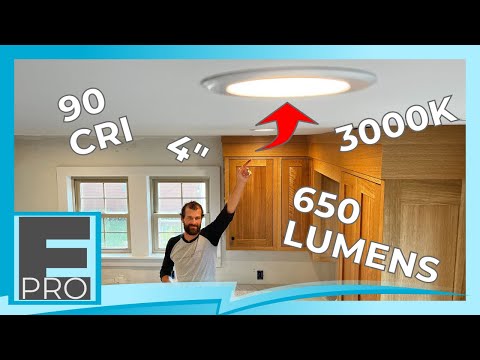
Flush mount lights sit directly against the ceiling, while semi-flush mounts hang a few inches below. Both options are ideal for kitchens with lower ceilings where recessed lighting may not be practical or cost-effective. These fixtures are compact, energy-efficient, and widely available in styles ranging from classic brass and chrome to modern geometric designs.
Flush mounts work best in smaller kitchens or galley layouts where overhead clearance is limited. They provide broad, diffused light that covers a wide area, making them a reliable choice for general illumination. Semi-flush mounts offer a slightly more decorative element and can add visual interest to an otherwise plain ceiling.
Track Lighting
Track lighting systems consist of a continuous track mounted to the ceiling with adjustable heads that can be directed wherever you need light. This flexibility makes track lighting an excellent option for kitchens with unique layouts, angled ceilings, or open shelving displays you want to highlight. Track systems are highly customizable—you can add or reposition heads as your kitchen needs change, making them a future-proof investment.
However, track lighting requires a more involved installation process and works best in kitchens with soffits or exposed ceiling structures where the track can be concealed. If your kitchen has a standard drywall ceiling, recessed lights or semi-flush fixtures might be a cleaner alternative.
Best Lighting for Kitchen Ceiling: Comparison Table
| Fixture Type | Best For | Ceiling Height | Style Versatility | Installation Complexity |
| Recessed Downlights | Even ambient light, modern kitchens | 8 ft+ | Medium (minimalist look) | Moderate |
| Pendant Lights | Task lighting over islands, visual anchor | 8+ ft recommended | High (many styles) | Easy to Moderate |
| Flush Mount | Small kitchens, low ceilings | Any | Medium | Easy |
| Semi-Flush Mount | Decorative ambient light | Any | High | Easy |
| Track Lighting | Directional lighting, open layouts | 9 ft+ | High | Moderate to Complex |
| Chandeliers | Focal point, formal kitchens | 9+ ft | Very High | Moderate |
How to Choose the Right Kitchen Ceiling Lighting
Consider Your Kitchen Size and Layout
The size and layout of your kitchen directly influence which ceiling lighting solution will perform best. For small galley kitchens, flush mount fixtures or a row of compact recessed lights provide efficient, uniform illumination without consuming precious headroom. In large open-plan kitchens, a combination of recessed ambient lights and pendant fixtures over the island or peninsula creates visual balance and functional depth.
As a general guideline, plan for approximately 20 to 30 lumens per square foot of kitchen space. This means a 200-square-foot kitchen needs roughly 4,000 to 6,000 lumens of total light output, distributed across all ceiling fixtures. Use this calculation as a starting point, then adjust based on your personal preferences and the brightness of natural light entering the room.
Color Temperature and Mood
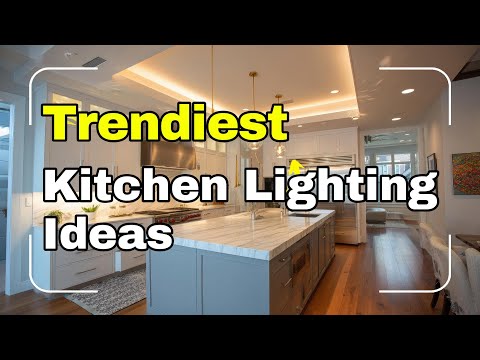
Color temperature, measured in Kelvin (K), is a factor that many homeowners overlook when selecting kitchen ceiling lighting. Cool white light (3500K to 4000K) delivers crisp, energizing illumination that is ideal for food preparation and cleaning tasks. Warm white light (2700K to 3000K) creates a cozy, inviting atmosphere perfect for casual dining and evening gatherings. Many of today’s best LED ceiling fixtures offer tunable white technology, allowing you to switch between color temperatures with a remote control or smart home app.
For kitchens with both cooking and dining areas, consider using different color temperatures in different zones. A cooler tone over the prep sink and stove area keeps you alert and focused, while a warmer tone over the dining nook promotes relaxation and conversation.
The Layered Lighting Approach

The most effective kitchen ceiling lighting strategies never rely on a single light source. Instead, they layer three types of illumination for maximum versatility:
- Ambient lighting — Provided by recessed cans, flush mounts, or chandeliers, this forms the base layer that fills the room with general light.
- Task lighting — Pendant lights over the counter, island pendants, or under-cabinet LEDs supplement the ambient layer where you need focused brightness for chopping, reading recipes, or cooking.
- Accent lighting — Small spotlights, cove lighting, or LED strips highlight architectural details, open shelving, or artwork, adding depth and dimension to the space.
By combining these layers, you create a kitchen that feels dynamic and adaptable. The ceiling serves as the primary platform for ambient and task light, while accent elements add the finishing polish that elevates the entire room.
Expert Tips for Kitchen Ceiling Lighting Installation
- Always use LED bulbs. LEDs consume up to 75% less energy than incandescent bulbs, last 25 times longer, and produce significantly less heat—critical in a kitchen environment near appliances and food preparation areas.
- Install dimmer switches. Dimmers give you precise control over brightness levels, allowing you to adjust the atmosphere for cooking, cleaning, or entertaining without changing the fixture itself.
- Plan your layout before installation. Map out fixture positions on paper or using a kitchen design app before hiring an electrician. Ensure recessed lights are evenly spaced and positioned to eliminate dark corners.
- Consider ceiling height carefully. Pendant lights need adequate clearance—at least 7 feet from floor to fixture bottom—to avoid creating a sense of confinement and to prevent accidental bumps.
- Choose fixtures with easy-to-clean designs. Kitchens accumulate grease and dust quickly. Opt for fixtures with smooth, wipeable surfaces rather than intricate crystal or fabric shades that trap grime.
Frequently Asked Questions About Kitchen Ceiling Lighting
What is the best color temperature for kitchen ceiling lights?
For most kitchens, a color temperature between 3000K and 4000K strikes the ideal balance. The 3000K to 3500K range provides warm, welcoming light that flatters food and skin tones, while 4000K delivers a crisp, neutral white that enhances visibility for detailed tasks like chopping vegetables or reading a cutting board. If you want the ultimate flexibility, invest in tunable LED fixtures that let you adjust the color temperature throughout the day.
How many recessed lights do I need for a standard kitchen ceiling?
A good starting point is one recessed light for every 4 to 6 square feet of kitchen space, depending on your ceiling height and the brightness of the LED bulbs you choose. For a standard 100-square-foot kitchen with 8-foot ceilings, aim for approximately 16 to 25 recessed downlights spread evenly across the ceiling. Place additional fixtures directly over task areas like the sink, stove, and countertops to ensure those zones receive focused illumination alongside the ambient layer.
Can I mix pendant lights and recessed lighting on the same kitchen ceiling?
Absolutely—and in fact, this is one of the most effective strategies for achieving layered kitchen lighting. Recessed downlights handle the broad ambient wash across the room, while pendant lights serve as dedicated task fixtures over your island or peninsula. The key is to coordinate the styles so they feel cohesive rather than chaotic. Matching metal finishes, sharing a similar design language, or using pendants from the same collection as your recessed trim ensures a unified, designer-quality result.
What is the ideal height to hang pendant lights over a kitchen island?
The standard recommendation is to hang pendant lights 30 to 36 inches above the kitchen island countertop. This height provides sufficient task lighting for food preparation while maintaining comfortable head clearance for people seated at or standing around the island. If your ceiling is particularly high—above 10 feet—you may need to hang pendants lower to maintain visual proportion and ensure the light reaches the counter surface effectively.
Are smart kitchen ceiling lights worth the investment?
Smart lighting systems add significant convenience and energy savings to any kitchen. With smart-compatible ceiling fixtures, you can schedule lights to turn on at specific times, adjust brightness and color temperature from your phone, and integrate them with voice assistants like Amazon Alexa or Google Home. Many smart LED panels and recessed kits also support scenes—pre-set lighting configurations like “cooking mode,” “dinner party,” and “morning bright”—that transform your kitchen atmosphere with a single tap or voice command. For tech-savvy homeowners and anyone who values automation, smart kitchen ceiling lighting is well worth the modest additional cost.
Final Thoughts on Choosing the Best Lighting for Your Kitchen Ceiling
The best lighting for kitchen ceiling is not a one-size-fits-all answer—it is a thoughtful combination of fixture types, bulb choices, placement strategies, and layering techniques tailored to your specific space and lifestyle. Whether you gravitate toward the clean simplicity of recessed LED downlights, the decorative charm of pendant fixtures, or the versatile flexibility of track lighting, the key is to plan intentionally and prioritize both function and atmosphere. Take the time to assess your kitchen’s dimensions, consider how you actually use the space throughout the day, and invest in quality LED fixtures with dimming capability. When you get the ceiling lighting right, your entire kitchen experience improves—from the moment you walk in to prepare a meal to the evening you host friends and family around your beautifully lit island. Start with the tips and comparisons in this guide, consult with a licensed electrician for installation, and enjoy a kitchen that shines in every sense of the word.