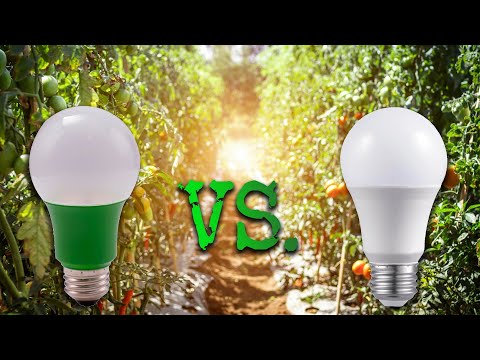
Full spectrum lights have revolutionized the way we think about indoor lighting, plant cultivation, and even our own well-being. Unlike traditional bulbs that emit a narrow band of wavelengths, full spectrum lighting replicates the natural sunlight range — delivering a balanced blend of ultraviolet, visible, and infrared light across the entire color temperature scale. Whether you are a home gardener trying to keep your indoor jungle alive, a creative professional seeking accurate color rendering, or simply someone who wants a healthier living environment, understanding what full spectrum lights can do is the first step toward making smarter lighting decisions. This guide dives deep into the science, benefits, applications, and selection tips so you can choose with confidence.
What Exactly Are Full Spectrum Lights?

Full spectrum lights are artificial light sources designed to emit radiation across a wide wavelength range, closely mimicking natural daylight. The term “full spectrum” refers to the complete distribution of visible light wavelengths — from approximately 380 nanometers (violet) to 780 nanometers (red) — along with trace amounts of ultraviolet and infrared energy. In simpler terms, these lights attempt to replicate what the sun provides, covering every color the human eye can perceive.
Key Characteristics of Full Spectrum Lighting
- Broad wavelength coverage: Emits light across the UV, visible, and IR spectrum rather than focusing on a single peak wavelength.
- High Color Rendering Index (CRI): Typically rates 90 or above on the CRI scale, meaning colors appear true-to-life under the light.
- Adjustable color temperature: Available in warm (2700K), neutral (4000K), and cool daylight (5000K–6500K) variations to suit different environments.
- Balanced spectral output: Provides relatively even energy distribution across all visible wavelengths, reducing harsh shadows and eye strain.
Why the “Full Spectrum” Label Matters
Many conventional light sources — standard LEDs, fluorescent tubes, and incandescent bulbs — produce spikes or gaps in their spectral output. For example, a cool white LED might heavily favor blue and yellow wavelengths while leaving red and violet underrepresented. This uneven distribution distorts colors, causes eye fatigue, and can negatively affect biological rhythms. Full spectrum lights close those gaps, creating a more uniform and natural light profile that aligns with how human eyes evolved to process visual information.
How Full Spectrum Lighting Technology Works
At the engineering level, full spectrum lights use several technologies to broaden their emission profile. Phosphor-coated LEDs are the most common approach today, where multiple phosphor layers convert a blue LED chip’s output into a wider band of complementary wavelengths. Some premium models incorporate quantum dots — nano-scale semiconductor particles that emit precise wavelengths when energized — to fine-tune the spectral curve. Older full spectrum fluorescent bulbs relied on rare-earth phosphors blended to fill in spectral gaps, while halogen and xenon arc lamps naturally produce a broad continuum similar to sunlight.

Correlated Color Temperature is measured in Kelvin and describes the apparent warmth or coolness of a light source. Full spectrum lights span the full CCT range:
- 2700K–3000K (Warm White): Mimics late-afternoon sunlight; ideal for relaxing living spaces and bedrooms.
- 3500K–4500K (Neutral White): Represents mid-morning daylight; excellent for offices and kitchens where balanced alertness and comfort are needed.
- 5000K–6500K (Daylight): Replicates midday sun; widely used in grow lights, art studios, and task lighting requiring maximum clarity.
Choosing the right CCT depends on your specific use case. For plant growth, the 5000K–6500K range supports vegetative development and flowering cycles. For human-centric wellness applications, many experts recommend staying within the 3000K–5000K range to support circadian rhythm alignment.
Science-Backed Benefits of Full Spectrum Lights
The advantages of full spectrum lighting extend far beyond “looking nice.” Research in photobiology and environmental psychology has identified several measurable benefits associated with high-quality broad-spectrum light exposure.
1. Improved Visual Comfort and Reduced Eye Strain
Because full spectrum lights distribute energy evenly across wavelengths, they reduce the flicker and spectral harshness that contribute to digital eye strain. Studies published in lighting research journals have shown that workers under high-CRI, full spectrum lighting report fewer headaches and less fatigue during extended screen time compared to those under narrow-spectrum fluorescents.
2. Support for Circadian Rhythm Regulation
The human circadian system is primarily entrained by blue-wavelength light (around 480nm), but it responds to the full spectral composition of daylight. Morning exposure to full spectrum daylight-mimicking light has been linked to improved alertness, better mood regulation, and more consistent sleep patterns. This is especially relevant for people working in windowless environments or those in higher latitudes with limited winter daylight.
3. Optimal Plant Growth and Photosynthesis
Plants rely on a broad range of wavelengths for photosynthesis, phototropism, and morphological development. Chlorophyll a absorbs strongly in the red (~660nm) and blue (~430nm) ranges, but accessory pigments like carotenoids and anthocyanins use wavelengths in between. Full spectrum grow lights provide the complete recipe that plants need for healthy foliage, robust root development, and flowering — far superior to narrow-band red-blue LED arrays that only target photosynthesis while neglecting other physiological processes.
4. Accurate Color Representation for Creative Work
Artists, photographers, graphic designers, and textile professionals depend on lighting that reveals true colors. A CRI rating of 95 or higher — typical of quality full spectrum fixtures — ensures that pigment choices, fabric dyes, and digital color corrections remain faithful under studio conditions. This eliminates costly mistakes and reduces the need for physical sample verification under multiple light sources.
Full Spectrum Lights vs. Standard Lighting: Head-to-Head Comparison
| Feature | Full Spectrum Lights | Standard LED / Fluorescent |
| Spectral Range | Broad coverage across UV, visible, and IR | Narrow peaks with spectral gaps |
| CRI Rating | 90–98+ | 60–80 (typical) |
| Color Rendering | Colors appear natural and true | Some hues look washed out or shifted |
| Eye Comfort | Reduced strain, less flicker | Higher risk of fatigue and headaches |
| Plant Growth Support | Complete photosynthesis spectrum | Limited to specific growth wavelengths |
| Circadian Benefit | Strong; mimics natural daylight | Weak; often biased toward blue or warm |
| Price Range | Moderate to premium | Budget-friendly |
| Lifespan | 20,000–50,000 hours | 10,000–30,000 hours |
The comparison table above makes one thing clear: while standard lights may win on upfront cost, full spectrum lights deliver significantly more value in terms of health outcomes, visual accuracy, and versatility. For anyone investing in a lighting upgrade, the return on investment becomes evident within the first few months of improved comfort and productivity.
Best Applications for Full Spectrum Lighting
Full spectrum lights are remarkably versatile. Here are the most common and impactful use cases:
Indoor Gardening and Hydroponics
Indoor growers rely on full spectrum LED panels and bars to replicate the sun’s role in photosynthesis. Whether you are nurturing a single monstera on a windowsill or managing a multi-tier hydroponic operation, choosing a light with a balanced spectral output — covering both PAR (Photosynthetically Active Radiation) bands — directly impacts yield quality and plant health.
Home and Office Environments
Replacing overhead fluorescent tubes with full spectrum LED panels in home offices dramatically improves the ambiance and reduces the harsh, sterile feel of traditional office lighting. In classrooms and libraries, studies have linked full spectrum lighting to improved student concentration and reduced hyperactive behavior.
Art Studios and Museums
Museums increasingly use full spectrum LED track lighting to illuminate artwork without causing color distortion or UV damage. Artists working in studio spaces benefit from lights that accurately render skin tones, oil paint textures, and mixed media under consistent illumination.
Reptile and Aquatic Habitats
Full spectrum fixtures designed for terrariums and aquariums provide UVA and UVB wavelengths essential for reptile metabolism and coral symbiotic algae growth. These specialized fixtures go beyond visible light to support biological processes in captive environments.
How to Choose the Right Full Spectrum Light for Your Needs
Selecting the best full spectrum light requires evaluating several factors beyond just the marketing label:
- Check the CRI rating: Aim for 90 or above; 95+ is ideal for color-critical work.
- Verify spectral claims: Reputable manufacturers publish spectral distribution graphs. If they do not, be cautious about vague “full spectrum” marketing.
- Consider the CCT for your space: Match color temperature to the room’s function — warm tones for bedrooms, daylight for workspaces.
- Look for flicker-free drivers: Poor-quality LED drivers create invisible flicker that causes headaches. Choose lights rated as flicker-free at 100% dimming.
- Assess dimmability: Full spectrum lights that support smooth dimming give you flexibility to adjust intensity for different times of day, supporting natural circadian shifts.
- Evaluate beam angle and coverage: Wide beam angles (120°+) suit general room lighting, while narrower angles work for targeted task or grow applications.
Expert Tip: Pair Full Spectrum Lights with Smart Controls
One of the most effective ways to maximize the benefits of full spectrum lighting is integrating smart dimmers or tunable-white systems. These allow you to shift the color temperature throughout the day — cooler, brighter light in the morning to boost alertness, and warmer, softer light in the evening to prepare your body for restful sleep. This dynamic approach mirrors the natural progression of sunlight and amplifies the wellness advantages of broad-spectrum fixtures.
Conclusion
Full spectrum lights represent a meaningful leap forward in artificial lighting technology. By closing the spectral gaps that plague conventional bulbs, they deliver richer color, better visual comfort, stronger circadian support, and superior plant growth conditions — all from a single, versatile light source. Whether you are upgrading a home office, building an indoor garden, or outfitting a creative studio, investing in quality full spectrum lighting pays dividends in health, accuracy, and daily enjoyment. The key is to look past marketing hype, verify technical specifications, and choose fixtures that match your specific environment and goals.
Frequently Asked Questions
What is the difference between full spectrum lights and UV lights?
Full spectrum lights include a small, balanced amount of UV radiation as part of their broad output, but they are not UV lights. UV lights are designed to emit predominantly ultraviolet wavelengths for sterilization or tanning purposes. Full spectrum lights prioritize visible light with a complete, balanced color distribution.
Are full spectrum lights safe for daily use around children and pets?
Yes. Quality full spectrum LED lights do not emit harmful levels of UV or IR radiation and are safe for continuous daily exposure. They are specifically designed to replicate the safe, balanced light profile of natural daylight, making them suitable for nurseries, children’s playrooms, and pet habitats alike.
Can full spectrum lights replace sunlight for houseplants entirely?
For most common houseplants and indoor gardens, high-quality full spectrum LED grow lights can fully replace sunlight, provided the intensity (measured in PPFD) and daily photoperiod are sufficient. Tropical plants, herbs, and leafy greens thrive under well-configured full spectrum fixtures placed at the correct distance.
Do full spectrum lights help with seasonal affective disorder (SAD)?
Many light therapy boxes recommended for SAD treatment use full spectrum or broad-spectrum daylight LEDs. Exposure to bright, balanced-spectrum light in the morning helps suppress melatonin production and boosts serotonin levels, which can significantly alleviate symptoms of seasonal depression.
How long do full spectrum LED lights typically last?
Most quality full spectrum LED fixtures are rated for 25,000 to 50,000 hours of operation, translating to roughly 10–20 years of average household use. Unlike older fluorescent tubes that degrade quickly and flicker at end-of-life, premium LEDs maintain consistent spectral output and brightness throughout their rated lifespan.