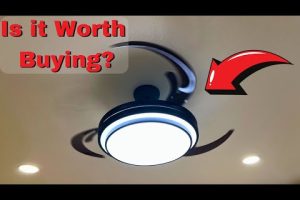
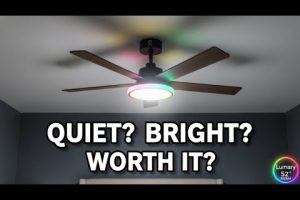
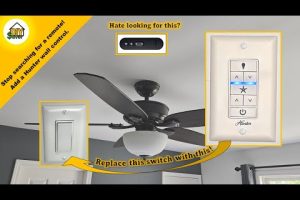
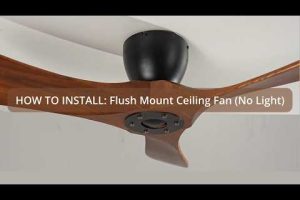
If you are renovating your living space or upgrading your home’s lighting and airflow, a ceiling fan with light LED is one of the smartest investments you can make. Combining modern illumination with year-round comfort, these fixtures have evolved far beyond the clunky, outdated designs of the past. Today’s LED ceiling fans with light offer exceptional energy savings, superior brightness, and sleek aesthetics that complement virtually any room. Whether you are outfitting a bedroom, living room, kitchen, or even a covered patio, choosing the right LED ceiling fan with light can transform both the atmosphere and efficiency of your home. In this comprehensive guide, we will walk you through everything you need to know—from core benefits and key features to purchasing tips and maintenance best practices.
What Is a Ceiling Fan with LED Light?
A ceiling fan with LED light is an integrated fixture that combines a rotating fan assembly with a built-in LED lighting module. Unlike older models that required separate light kits or used incandescent bulbs, modern LED ceiling fan light combos come engineered as a single, streamlined unit. The LED component replaces traditional bulbs, delivering consistent, long-lasting illumination while consuming a fraction of the electricity. These fixtures are available in a wide range of styles—from contemporary minimalist designs to rustic farmhouse aesthetics—making it easy to find one that matches your interior décor while delivering both form and function.
Key Benefits of LED Ceiling Fans with Lights
Switching to an LED ceiling fan with light offers advantages that go well beyond simple illumination. Here are the most compelling reasons homeowners are making the switch:
- Dramatic Energy Savings: LED technology uses up to 75% less energy than traditional incandescent bulbs. When paired with a DC motor fan, your overall electricity consumption drops significantly, which translates to lower monthly utility bills.
- Extended Lifespan: LEDs can last between 25,000 and 50,000 hours, meaning you may never need to replace the light source during the entire life of the fan.
- Superior Light Quality: Modern LED chips produce crisp, flicker-free light with excellent color rendering, making rooms feel more inviting and comfortable.
- Year-Round Comfort: Ceiling fans create a wind-chill effect in summer and help distribute warm air in winter, while the LED light provides consistent illumination in every season.
- Reduced Heat Emission: Unlike incandescent or halogen bulbs, LEDs produce minimal heat, keeping your room cooler and safer.
How to Choose the Right LED Ceiling Fan with Light
Selecting the perfect LED ceiling fan with light requires careful consideration of several factors. Below, we break down the most important decision points so you can shop with confidence.
Fan Size and Room Compatibility
The size of your room directly determines the ideal fan diameter. Choosing the wrong size can lead to poor airflow and inefficient performance. Here is a quick reference guide:
- Small rooms (up to 75 sq ft): 29–36 inch fan diameter
- Medium rooms (76–144 sq ft): 36–42 inch fan diameter
- Large rooms (144–225 sq ft): 44–50 inch fan diameter
- Extra-large rooms (225+ sq ft): 50–56 inch fan diameter or multiple fans
Measuring your room accurately before purchasing ensures that your LED ceiling fan with light delivers optimal air circulation without creating uncomfortable drafts.
LED Light Type and Brightness
Not all LED fixtures are created equal. When evaluating an LED ceiling fan light combo, pay attention to the following specifications:
- Lumens: This measures brightness. For general room lighting, aim for 3,000 to 5,000 lumens depending on room size.
- Color Temperature: Measured in Kelvin (K). Warm white (2700K–3000K) suits bedrooms and living rooms, while cool white (4000K–5000K) works well in kitchens and bathrooms.
- Dimming Compatibility: Many LED ceiling fans with light support dimmer switches, allowing you to adjust ambiance effortlessly.
- Color Rendering Index (CRI): A CRI of 80 or above ensures colors look natural and true under the light.
Motor Quality and Energy Efficiency
The motor is the heart of any ceiling fan. DC motors are the gold standard for modern LED ceiling fan light combos because they operate quieter, consume less power, and offer more precise speed settings than traditional AC motors. If energy efficiency and whisper-quiet operation matter to you—which for most homeowners they do—prioritize models equipped with DC motor technology.
Top Features to Look For in an LED Ceiling Fan with Light
When browsing options, these features can make a meaningful difference in your daily experience:
- Remote Control or Smart Integration: Many LED ceiling fans with light come with a handheld remote or Wi-Fi connectivity, allowing you to adjust speed, light brightness, and color temperature from your couch or smartphone.
- Reversible Airflow: A forward/reverse switch lets you change the fan direction seasonally—counterclockwise for summer and clockwise for winter.
- Modern Light Fixture Design: Integrated LED panels, decorative rings, or frosted globes enhance the visual appeal of the fixture.
- Low Profile for Low Ceilings: If your ceiling is under 8 feet, look for flush-mount or close-to-ceiling LED ceiling fan light designs.
- Warranty and Build Quality: Reputable brands typically offer 5–10 year motor warranties and 2–5 year lighting component warranties.
LED vs. Traditional Ceiling Fans with Light: A Comparison
Understanding the differences between LED and traditional lighting options helps you make a confident purchase. The table below compares both options across key criteria.
| Feature | LED Ceiling Fan with Light | Traditional Fan with Light Kit |
| Energy Consumption | Very low (10–30W for the light) | High (40–100W per bulb) |
| Lifespan | 25,000–50,000 hours | 1,000–2,000 hours per bulb |
| Heat Output | Minimal | Significant |
| Brightness (Lumens) | 3,000–5,000 (integrated) | Varies widely by bulb type |
| Maintenance | Near zero | Frequent bulb replacements |
| Upfront Cost | Slightly higher | Lower |
| Long-Term Savings | Significant | Minimal |
As the comparison shows, the initial investment in an LED ceiling fan with light pays for itself quickly through energy savings and reduced maintenance costs.
Installation Tips and Expert Recommendations
Proper installation is critical for both safety and performance. Follow these expert tips when setting up your LED ceiling fan with light:
- Verify Your Electrical Box: Ceiling fans generate rotational force. Always use a fan-rated electrical box that is securely anchored to a ceiling joist or support beam.
- Check the Wiring: Ensure your existing wiring can handle the combined electrical load of the fan motor and LED light module. Most residential setups are compatible, but older homes may need an upgrade.
- Use a Level: An unlevel fan causes wobbling, noise, and premature wear. Use a ceiling fan balancer if needed after installation.
- Mount Height: The bottom of the fan blades should be at least 7 feet from the floor for safety and optimal airflow. For sloped ceilings, use a downrod appropriate for the angle.
- Test Before Finalizing: Run the fan at all speeds and test the LED light at multiple brightness levels before securing all covers and finishing touches.

If you are not comfortable working with electrical wiring, hire a licensed electrician. Proper installation protects both your home and your investment.
Maintenance Best Practices for Longevity

One of the greatest advantages of an LED ceiling fan with light is the minimal maintenance required. However, a few routine steps will keep your fixture running beautifully for years:
- Dust the Blades Monthly: Accumulated dust reduces airflow efficiency and can cause wobbling. A microfiber cloth or specialized blade cleaner works best.
- Tighten Screws and Hardware: Vibration over time can loosen blade brackets, motor housings, and light fixtures. A quick check every few months prevents issues.
- Clean the LED Housing: Dust on the LED light cover can reduce brightness. Wipe gently with a damp cloth—never use abrasive cleaners.
- Lubricate the Motor (If Applicable): Some models with AC motors benefit from occasional lubrication. Check the manufacturer’s instructions for guidance.
- Replace Parts as Needed: While the LED module itself rarely fails, capacitors and pull chains are the most common failure points and are inexpensive to replace.
Conclusion
A ceiling fan with light LED represents the perfect convergence of style, efficiency, and practicality for modern homes. Whether you prioritize energy savings, ambient lighting quality, or contemporary design, today’s LED ceiling fan with light options deliver on every front. By understanding room sizing, motor types, brightness specifications, and smart features, you can confidently select a fixture that enhances your comfort and elevates your space for years to come. The upfront investment is modest compared to the long-term energy savings, reduced maintenance, and the undeniable improvement in your home’s atmosphere.
Frequently Asked Questions
What is the best ceiling fan with LED light for a small bedroom?
For small bedrooms under 100 square feet, a 36-inch LED ceiling fan with light in a flush-mount or close-to-ceiling configuration is ideal. Look for models with a DC motor for quiet operation and a warm white LED light (2700K–3000K) to create a relaxing atmosphere conducive to sleep.
Can I install an LED ceiling fan with light myself?
If you have basic electrical knowledge and the right tools, self-installation is possible for many models. However, because ceiling fans involve rotational forces and electrical wiring, hiring a licensed electrician is strongly recommended to ensure safety and compliance with local building codes.
How bright should the LED light on a ceiling fan be?
Brightness depends on room size and purpose. For general living areas, aim for 3,000–4,000 lumens from the integrated LED. Bedrooms and dining rooms may only need 2,000–2,500 lumens for a softer ambiance. Always check the lumens rating before purchasing your LED ceiling fan light combo.
Do LED ceiling fans with light support dimming?
Many modern LED ceiling fans with light are dimmable, but compatibility depends on both the fan’s light module and your dimmer switch. Look for LED-compatible dimmers and confirm dimming support in the product specifications to avoid flickering or inconsistent performance.
How long does the LED light last on a ceiling fan?
High-quality LED modules integrated into ceiling fans typically last between 25,000 and 50,000 hours, which equates to roughly 15–25 years of average daily use. This means you will likely never need to replace the light source during the lifespan of the fan.