


If you are serious about indoor gardening or running a commercial grow operation, you have likely encountered the term 600 watt grow light at some point. This lighting category sits in a sweet spot that appeals to both hobbyists and professional cultivators. A 600 watt grow light delivers enough Photosynthetically Active Radiation (PAR) to support robust plant development across multiple growth stages while remaining energy-efficient enough to keep electricity costs manageable. Whether you are growing leafy greens, flowering herbs, or high-yield cannabis cultivars, understanding how to select, position, and optimize a 600 watt lighting system can make the difference between an average harvest and an outstanding one.
What Is a 600 Watt Grow Light and Why Does It Matter?
A 600 watt grow light is a high-intensity artificial lighting system rated at approximately 600 watts of power draw. It is designed to replicate or enhance the solar spectrum that plants need for photosynthesis, flowering, and fruiting. The term 600 watt LED grow light has become especially popular in recent years as growers seek the energy savings and spectral flexibility of LED technology over older lighting formats.
Why does wattage matter so much in indoor growing? Wattage directly correlates with light intensity, which is measured in Photosynthetic Photon Flux Density (PPFD). A 600 watt unit typically delivers sufficient photon density to cover a grow tent or grow room measuring roughly 4 by 4 feet to 5 by 5 feet, depending on the light technology and design. This makes it one of the most versatile power ratings available for serious home and small-commercial cultivation.
Types of 600 Watt Grow Lights
Not all 600 watt grow lights are created equal. The three dominant technologies on the market each offer distinct advantages and trade-offs. Understanding these differences is essential before making a purchase.
600 Watt High-Pressure Sodium (HPS) Lights
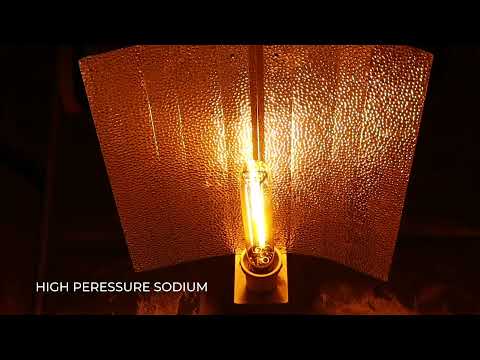
HPS lights have been the backbone of indoor horticulture for decades. A traditional 600 watt HPS grow light produces a warm, orange-red spectrum that is ideal for the flowering and budding stages of plant growth. These fixtures are affordable upfront and widely available. However, they generate significant heat, consume more electricity per photon delivered, and require a ballast to operate safely.
600 Watt Light Emitting Diode (LED) Systems
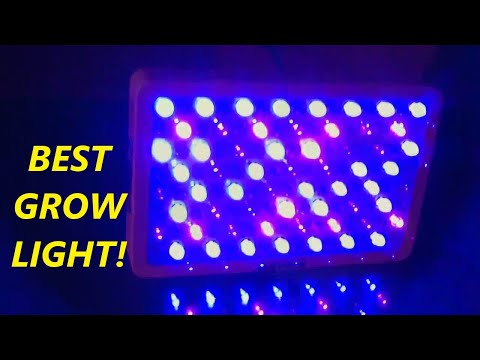
600 watt LED grow lights represent the modern standard for indoor growing. They offer full-spectrum output, dramatically lower heat output, reduced energy consumption, and a longer lifespan of 50,000 to 100,000 hours. Premium models from brands like Spider Farmer, Mars Hydro, and HLG incorporate Samsung LM301B or LM301H diodes with customizable spectrum controls. The initial cost is higher, but the return on investment over time is substantially better.
600 Watt Ceramic Metal Halide (CMH) / Light Emitting Plasma (LEP) Lights
CMH lights, sometimes called ceramic discharge metal halide fixtures, bridge the gap between HPS and LED. A 600 watt CMH grow light produces a broad, balanced spectrum that works well for both vegetative and flowering phases. They are more energy-efficient than traditional HPS and offer excellent color rendering, but they still run hotter than LEDs and carry a moderate price premium.
Key Features to Evaluate When Choosing a 600 Watt Grow Light
Selecting the right 600 watt lighting system involves more than just checking the wattage number on the box. Here are the critical specifications you should scrutinize:
- Spectrum Range: Full-spectrum lights covering 380nm to 780nm support every growth phase. Look for models with adjustable red-to-blue ratios for flowering optimization.
- PPFD and DLI Coverage: The Photosynthetic Photon Flux Density map tells you how evenly light is distributed across your canopy. Uniform coverage prevents stretching and promotes even bud development.
- Thermal Management: Effective heatsinking and passive or active cooling determine how long your light lasts and how much ventilation your grow space needs.
- Driver Quality: Mean Well drivers and Samsung diode boards indicate a higher-quality build that will outperform cheaper alternatives over time.
- Dimming Capability: A 600 watt dimmable grow light lets you adjust intensity for different growth stages, seedlings, and light-sensitive plants.
- Certifications: Look for ETL, CE, or DLC certification to ensure electrical safety and potential utility rebates for commercial operations.
Ideal Coverage Area and Hanging Height for a 600 Watt Grow Light
One of the most common questions growers ask is: how much area does a 600 watt grow light actually cover? The answer depends heavily on the technology and reflector design.
| Light Technology | Coverage Area (sq ft) | Ideal Hanging Height | Best For |
| 600W HPS | 9 to 16 sq ft | 18 to 24 inches | Flowering, dense canopy |
| 600W LED | 12 to 25 sq ft | 24 to 36 inches | All growth stages, tents |
| 600W CMH | 10 to 18 sq ft | 20 to 30 inches | Vegetative and flowering |
As a general rule, LEDs can be hung higher because they spread light more evenly and produce less radiant heat. HPS fixtures need to be closer to the canopy, which demands adequate exhaust ventilation. Always monitor leaf surface temperature with an infrared thermometer to avoid light burn or heat stress.
Comparing Energy Efficiency Across 600 Watt Grow Light Technologies
Energy efficiency is one of the biggest factors influencing your long-term operating costs. The table below compares the three main 600 watt technologies on key performance metrics.
| Metric | 600W HPS | 600W LED | 600W CMH |
| PPE (Photosynthetic Photon Efficacy) | 1.0 to 1.7 µmol/J | 2.0 to 3.2 µmol/J | 1.5 to 2.0 µmol/J |
| Average Lifespan | 10,000 hours | 50,000 to 100,000 hours | 10,000 to 20,000 hours |
| Heat Output | High | Low | Moderate |
| Upfront Cost | Low | Moderate to High | Moderate |
| Spectrum Flexibility | Limited (warm) | Full, adjustable | Broad, balanced |
| Annual Electricity Cost (18 hrs/day, $0.13/kWh) | ~$403 | ~$200 to $300 | ~$300 to $350 |
The data clearly shows that while a 600 watt LED grow light may cost more upfront, the energy savings alone can recover that premium within one to two grow cycles. For growers running multiple fixtures, the cumulative savings are substantial.
Best Practices for Optimizing Your 600 Watt Grow Light Setup
Simply hanging a 600 watt fixture and turning it on is not enough to maximize your results. Follow these expert recommendations to get the most out of your system.
- Start with a Light Schedule: During vegetation, run your light for 18 hours on and 6 hours off. Switch to a 12/12 cycle to trigger flowering in photoperiod-sensitive plants.
- Use Light Movers or Reflective Walls: A light mover can increase effective coverage by up to 30%. Mylar or white-painted walls reflect photons back onto the canopy, improving uniformity.
- Maintain Proper Distance: Keep LED panels at least 24 inches from the canopy during early growth. HPS and CMH lights should be 18 to 24 inches during flowering but monitored closely for heat buildup.
- Install a Timer with Surge Protection: Cheap mechanical timers cause light flicker that stresses plants. A digital timer with surge protection ensures stable power delivery.
- Pair with Quality Ventilation: Even LED lights produce some heat. Ensure your grow tent or room has adequate intake and exhaust fans to maintain temperatures between 68°F and 78°F.
- Calibrate Your Feeding Schedule to Light Intensity: Higher light intensity drives faster photosynthesis, which means plants will demand more water and nutrients. Adjust your feeding regimen as you increase the photoperiod.

Common Mistakes Growers Make with 600 Watt Lighting
Avoid these pitfalls that can sabotage even the best genetics and growing environment:
- Overdriving the light: Plugging a 600 watt fixture into a circuit that cannot handle the draw trips breakers or damages the driver.
- Ignoring the light spectrum: Using only blue or only red light stunts development. Full-spectrum or adjustable spectrum fixtures deliver balanced results.
- Hanging too close too soon: Light burn causes bleached, curled leaves. Always raise the light initially and lower it gradually as plants acclimate.
- Neglecting driver replacement: The driver is the most failure-prone component in any grow light. Keep a spare on hand, especially for HPS systems.
- Skipping PPFD measurement: A handheld quantum sensor or a software app paired with a PAR sensor gives you real data instead of guesswork about light intensity at canopy level.
Frequently Asked Questions About 600 Watt Grow Lights
What size grow tent is best for a 600 watt LED grow light?
Most 600 watt LED grow lights perform optimally in a 4×4 tent (16 square feet) or a 4×5 tent (20 square feet). If the light has high PPFD output and efficient diodes, it can cover a larger area, but keeping the coverage within 25 square feet ensures even light distribution and prevents canopy stretching in low-light zones.
Can I run a 600 watt grow light on a standard household outlet?
In the United States, a standard 120V outlet is typically rated for 15 amps, which means a maximum continuous load of 1,440 watts. A 600 watt grow light draws approximately 5 amps, which is well within safe limits for a single outlet. However, never share that outlet with other high-draw devices, and always use a dedicated circuit for safety.
How much does it cost to run a 600 watt grow light per month?
Assuming the light runs 18 hours per day at an electricity rate of $0.13 per kilowatt-hour, a 600 watt fixture consumes about 324 kWh per month, costing roughly $42. For LED models with lower wattage draw under dimming, costs can drop to $25 to $30 monthly. HPS systems tend to run on the higher end of that range.
Do I need a ballast for a 600 watt grow light?
If you are using an HPS or CMH system, yes, a compatible ballast is required. Digital ballasts are preferred over magnetic ballasts because they are more efficient, quieter, and provide smoother voltage regulation. LED 600 watt grow lights have internal drivers and do not require an external ballast, which simplifies setup significantly.
What is the difference between a 600 watt grow light and a 1000 watt grow light?
A 600 watt grow light covers a smaller area and consumes less electricity than a 1000 watt unit, but it is easier to manage in terms of heat and canopy penetration. A 1000 watt light is better suited for larger rooms or when maximum yield per square foot is the priority. For most home growers with tents under 5×5 feet, a 600 watt system provides the ideal balance of coverage, intensity, and efficiency.
Final Thoughts on 600 Watt Grow Lights
The 600 watt grow light remains one of the most popular and practical choices for indoor cultivators at every skill level. Whether you choose an HPS fixture for its proven track record, an LED panel for its efficiency and spectral precision, or a CMH light for a balanced middle ground, what matters most is matching the right technology to your space, your plants, and your goals. Invest in quality components, measure your light intensity with real data, and fine-tune your hanging height and photoperiod for the species you are growing. With the right 600 watt setup, you can achieve professional-grade results from a home grow tent or a small commercial operation. The key is to treat your lighting system not as an afterthought, but as the engine that drives every phase of your plants’ life cycle.