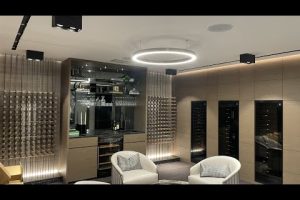
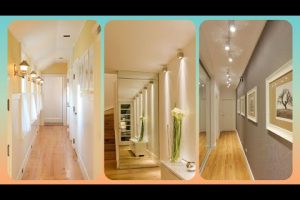
When it comes to transforming the ambiance of any space, few design elements deliver the kind of immediate, dramatic impact that decorative lighting does. Whether you are renovating a cozy apartment, styling a boutique hotel lobby, or simply looking for ways to refresh your home’s aesthetic, the right lighting choices can redefine how a room feels, functions, and even flows. Unlike standard overhead fixtures that merely illuminate, decorative lighting serves a dual purpose—it provides functional light while acting as a statement piece that elevates your interior design. In this comprehensive guide, we will explore everything from the fundamental types of decorative lighting to advanced layering techniques that professionals rely on to craft stunning environments.
What Is Decorative Lighting?
Decorative lighting refers to any light fixture that serves primarily as a visual or artistic element within a space, in addition to providing illumination. These fixtures come in virtually every shape, size, material, and style imaginable—from ornate crystal chandeliers to minimalist geometric pendants. The key distinction between decorative lighting and purely functional lighting lies in the intentional focus on aesthetics. While task lighting is designed for visibility and ambient lighting sets a general mood, decorative lighting draws the eye, tells a story, and anchors a room’s design language. Think of it as the jewelry of your interior: it should complement, not overwhelm, the overall look.
Types of Decorative Lighting You Should Know
Chandeliers and Pendant Lights
Chandeliers have been synonymous with luxury and elegance for centuries. Today, modern interpretations range from grand crystal multi-tiered designs perfect for dining rooms to sleek, sculptural pendants ideal for kitchen islands and entryways. Pendant lights, a subset of hanging fixtures, offer incredible versatility. You can cluster three or five small pendants over a long countertop for a café-style feel, or hang a single oversized fixture as a centerpiece in a living room. When selecting a chandelier or pendant, consider the ceiling height—rule of thumb suggests keeping the bottom of the fixture at least 30 inches above a dining table and 7 feet from the floor in walkways.
Wall Sconces
Wall sconces are an underrated powerhouse in the world of decorative lighting. They provide gentle, directional light that washes walls with warmth and creates depth in a room. Sconces work beautifully in hallways, bedrooms, bathrooms, and even outdoor patios. Upward-facing sconces bounce light off the ceiling for a soft, expansive glow, while downward-facing sconces are better suited for reading nooks and bedside tables. Materials like brushed brass, frosted glass, and wrought iron offer distinct textures that pair well with different interior styles.

LED Strip Lighting
If you are looking to add a contemporary, tech-forward vibe, LED strip lighting is one of the most popular decorative lighting ideas for modern homes. These flexible strips can be tucked behind architectural features, under kitchen cabinets, along staircases, or even behind television screens. The best part? Many LED strips are dimmable and color-adjustable, allowing you to shift the mood from cool and focused to warm and relaxing with a simple tap on your smartphone. They are energy-efficient, long-lasting, and surprisingly affordable compared to traditional fixtures.
String Lights and Fairy Lights
Once associated solely with holiday decorations, string lights have evolved into a year-round design staple. Warm-white Edison bulb string lights drape beautifully across bedroom walls, wrap around bed frames, or hang inside glass terrariums for a whimsical effect. Fairy lights, which use tiny LED bulbs, offer a subtler, more delicate sparkle. They are perfect for creating a romantic atmosphere in bedrooms or adding a touch of magic to outdoor weddings and garden gatherings.
How to Choose the Right Decorative Lighting for Your Space
Selecting decorative lighting is not just about picking the prettiest fixture on the shelf. It requires a thoughtful approach that considers your room’s size, color palette, existing furniture, and the atmosphere you want to create. Here are some essential factors to keep in mind:
- Scale matters: A massive chandelier in a tiny room will feel cramped, while a tiny candle-style sconce in a large hallway will look lost. Match the size of the fixture to the proportions of the space.
- Match the style: Mid-century modern rooms pair well with clean-lined brass pendants, while traditional interiors benefit from ornate fixtures with fabric shades and crystal details.
- Consider the color temperature: Warm white bulbs (2700K–3000K) create a cozy, inviting feel, while cooler temperatures (4000K+) suit contemporary and minimalist spaces.
- Layer your sources: No single fixture should do all the work. Combine decorative lighting with ambient and task sources for a balanced, professional look.
- Think about placement: The position of a light source affects shadows, reflections, and the overall visual weight of the room.
Decorative Lighting Ideas by Room
Living Room
In the living room, consider a statement chandelier or a sculptural floor lamp as the focal point. Pair it with recessed ceiling lights for general illumination and table lamps for reading. Decorative lighting in the living room should feel inviting and layered, creating zones within open-plan spaces.
Bedroom
Bedroom lighting should promote relaxation. Install wall sconces on either side of the bed to free up nightstand space, and add a dimmable chandelier or pendant above the dressing area. Warm LED strip lighting behind the headboard creates a soft, dreamy glow that is perfect for winding down at night.
Kitchen and Dining Area
Over the kitchen island, a series of small pendants at varying heights adds visual interest and practical task lighting. In the dining room, a chandelier positioned roughly 30 inches above the table ensures optimal light distribution while keeping the fixture in the sightline of seated guests.
Outdoor Spaces
Do not overlook your patio, porch, or garden. Solar string lights, lantern-style post lamps, and weather-resistant wall sconces extend your decorative lighting scheme outdoors, making your exterior spaces usable well into the evening.
Advanced Tips for Layered Lighting Design
Professional interior designers rarely rely on a single light source. Instead, they practice layered lighting design, which combines three distinct layers to create depth, dimension, and visual interest:
- Ambient layer: The general, foundational light in a room—typically from ceiling fixtures or recessed downlights.
- Task layer: Focused light for specific activities like reading, cooking, or applying makeup—think desk lamps and under-cabinet LEDs.
- Accent layer: Decorative lighting that highlights architectural features, artwork, or textures—such as track lighting, uplights, and sculptural pendants.
When you combine all three layers and use dimmer switches to control intensity, you gain the ability to transform a room from bright and energetic to soft and intimate with the flip of a switch. This is the secret behind the magazine-perfect interiors you see in home design magazines.
Comparison: Popular Decorative Lighting Types
| Type | Best For | Style Range | Installation Difficulty | Cost Range |
| Chandeliers | Dining rooms, entryways | Traditional to modern | Moderate to hard | $$ – $$$ |
| Pendant Lights | Kitchen islands, desks | Minimalist to industrial | Easy to moderate | $ – $$ |
| Wall Sconces | Hallways, bathrooms, bedrooms | Classic to contemporary | Easy | $ – $ |
| LED Strips | Cabinets, stairs, accent walls | Modern to futuristic | Easy | $ – $ |
| String Lights | Bedrooms, patios, events | Rustic to whimsical | Very easy | $ |
Expert Tips and Practical Recommendations
Here are some actionable tips that interior designers and lighting specialists swear by:
- Use warm white bulbs everywhere in living spaces. Cool white light can make even the most beautifully decorated room feel sterile and unwelcoming.
- Invest in dimmers. They are inexpensive, easy to install, and dramatically extend the versatility of any decorative fixture.
- Consider smart lighting systems. Products like Philips Hue and LIFX allow you to control color, brightness, and scheduling through voice commands or mobile apps.
- Do not ignore the ceiling finish. A dark ceiling absorbs light; a light-colored ceiling reflects it. Adjust your fixture brightness accordingly.
- Mix metals and materials intentionally. Combining brass, black matte, and glass in the same room adds visual richness without looking chaotic.
- Think about maintenance. Crystal chandeliers collect dust quickly. If you want a high-impact look with low upkeep, opt for metal or glass fixtures with simple geometries.
Frequently Asked Questions About Decorative Lighting
What are the best decorative lighting options for small rooms?
In small rooms, scale is everything. Opt for slim-profile wall sconces instead of bulky chandeliers, use LED strips to create the illusion of height along crown moldings, and choose pendant lights with compact shades. Mini pendants and plug-in wall lamps are excellent choices because they take up minimal visual space while still adding a decorative punch.
How do I clean and maintain decorative lighting fixtures?
Maintenance depends on the material. Fabric shades should be dusted with a microfiber cloth or replaced periodically. Metal fixtures can be wiped with a gentle glass cleaner. Crystal chandeliers benefit from a monthly spritz of a dedicated chandelier cleaning solution and a soft microfiber duster. For LED strips, simply ensure the adhesive backing stays clean and dust-free to maintain longevity.
Can decorative lighting reduce energy costs?
Absolutely. Switching from incandescent bulbs to LED decorative lighting can reduce your lighting energy consumption by up to 75%. LED decorative bulbs last 15,000 to 50,000 hours, which means fewer replacements and lower maintenance costs over time. Pairing them with dimmers further reduces energy use while extending bulb life.
What color temperature is best for decorative lighting in bedrooms?
For bedrooms, warm white light between 2700K and 3000K is ideal. This temperature range mimics the soft glow of candlelight and sunset, which naturally signals your body to relax and prepare for sleep. Avoid cool white or daylight bulbs in the bedroom, as they can disrupt melatonin production and interfere with your sleep cycle.
Are there eco-friendly options for decorative lighting?
Yes. LED-based fixtures, solar-powered string lights, and fixtures made from recycled or sustainably sourced materials like bamboo, reclaimed wood, and recycled glass are all excellent eco-friendly options. Brands like IKEA, West Elm, and Schoolhouse Electric now offer collections that prioritize sustainability without compromising on style.
Conclusion
Decorative lighting is far more than a functional necessity—it is one of the most powerful tools in interior design for shaping mood, highlighting architecture, and expressing personal style. From the timeless grandeur of a crystal chandelier to the modern efficiency of programmable LED strips, the options available today are more diverse and accessible than ever before. By understanding the different types, choosing fixtures that suit your space and aesthetic, and layering multiple light sources for depth, you can create rooms that feel not just illuminated, but truly alive. The key is to treat every light fixture as an intentional design choice rather than an afterthought. With the tips, recommendations, and strategies shared in this guide, you are well-equipped to light up your home in a way that is beautiful, functional, and deeply personal. Start experimenting with decorative lighting today, and watch as your spaces are completely transformed—one fixture at a time.