When it comes to transforming the look, feel, and safety of your home, exterior lights for house applications are one of the most impactful upgrades you can make. Whether you are looking to illuminate your walkway for added security, highlight architectural details, or simply create a warm and inviting atmosphere for guests, the right outdoor lighting strategy can elevate your property in ways that interior design alone never could. In this comprehensive guide, we will walk you through every aspect of choosing, installing, and optimizing exterior house lighting — from the best bulb technologies to placement strategies that deliver real results.
Why Exterior Lighting Matters for Your Home

Many homeowners underestimate the power of outdoor illumination. Exterior lights for house use do far more than simply keep the dark at bay. They serve as a critical component of your home’s overall design language, safety infrastructure, and even long-term property valuation. A well-lit home exterior signals to visitors, potential buyers, and passersby that the property is cared for and secure.
Security Benefits of Outdoor House Lighting
Dark exteriors are an open invitation for unwanted visitors. Studies consistently show that homes with proper exterior illumination experience significantly fewer break-in attempts. Motion-activated lights near entry points, garages, and side yards can startle intruders and draw immediate attention to any suspicious activity. Strategic placement of lights along fences, driveways, and dark corners removes hiding spots and eliminates shadowed areas where someone could remain unseen.

Beyond deterring criminal activity, exterior lighting also protects your family from everyday hazards. Poorly lit steps, uneven pathways, and driveway transitions become serious tripping risks at night. Illuminating these areas reduces the likelihood of slips, falls, and injuries — especially important for elderly family members and young children.
Curb Appeal and Property Value
If you are planning to sell your home in the future, exterior lighting is a surprisingly high-return investment. Real estate professionals consistently note that homes with thoughtfully designed outdoor lighting systems sell faster and often at higher prices than comparable properties without them. Well-placed exterior house lights create a dramatic first impression that begins the moment someone approaches your front door.
Beyond resale value, lighting enhances your daily enjoyment of the outdoor spaces around your home. A beautifully lit patio, garden, or porch transforms your property into an extension of your living space, usable well into the evening hours.
Types of Exterior Lights for Houses
The market offers an impressive variety of outdoor lighting fixtures, each serving a distinct purpose and aesthetic function. Understanding these categories helps you build a cohesive lighting plan that addresses every zone of your property.
Wall-Mounted Sconces
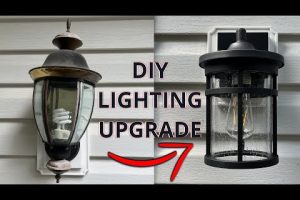
Wall-mounted exterior sconces are arguably the most versatile and widely used option for house exteriors. Installed beside entry doors, above garage openings, or along porch columns, they provide targeted illumination while adding decorative character. Sconces come in virtually every style — from modern minimalist designs to classic lantern-inspired fixtures — making them easy to match with your home’s architectural period and material palette.
When selecting wall sconces, pay close attention to the IP (Ingress Protection) rating. For any fixture exposed to rain, snow, or humidity, look for an IP rating of at least IP44, which ensures protection against water splashes from any direction.
Floodlights and Motion-Sensor Lights
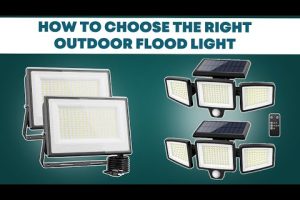
Floodlights deliver broad, powerful illumination across large areas such as driveways, backyards, and building facades. They are available in both fixed and adjustable beam configurations. Motion-sensor floodlights combine illumination with an automatic trigger mechanism, activating only when movement is detected. This approach conserves energy while maximizing the security benefit, since the sudden burst of light alerts homeowners and startles potential intruders simultaneously.
Modern motion-sensor exterior lights for house use often include adjustable sensitivity settings, programmable timers, and even color temperature controls, giving you fine-tuned customization without complexity.
Pathway and Step Lights
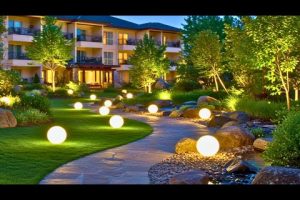
Low-profile pathway lights and step lights are designed to guide foot traffic safely along walkways, garden borders, staircases, and patio edges. These fixtures are typically installed flush into the ground or mounted at ankle height, ensuring they do not obstruct movement while providing reliable guidance in the dark.
LED pathway lights have become the dominant choice in this category due to their longevity, energy efficiency, and availability in warm and cool color temperatures. Brass and stainless steel housings offer corrosion resistance for long-term durability in outdoor conditions.
Post and Pendant Lights
Post lights — also known as bollard lights — are freestanding fixtures mounted on pillars or posts. They are commonly used to line driveways, mark property boundaries, and frame entrance gardens. Pendant lights suspended from porch ceilings or covered patios provide focused downward illumination perfect for dining, reading, or socializing outdoors.
Post lights tend to make a bold architectural statement, so choose designs that complement the scale and style of your home. Oversized fixtures on a small cottage can look disproportionate, while delicate pendants on a grand estate may appear underwhelming.
Best Light Technologies for Outdoor Use
Choosing the right light source is just as important as selecting the right fixture. Not all bulb technologies perform equally well in outdoor environments. The table below compares the three most common options for exterior house lighting.

| Feature | LED | Halogen | Solar |
| Energy Efficiency | Excellent — uses up to 80% less energy than incandescent | Moderate — consumes significant electricity | Excellent — runs entirely on renewable energy |
| Lifespan | 25,000–50,000 hours | 2,000–5,000 hours | Varies — depends on battery and panel quality |
| Brightness (Lumens) | High — available in wide lumen ranges | High — produces intense warm light | Moderate — limited by panel size |
| Weather Resistance | Excellent with proper IP rating | Good — but heat-sensitive in extreme cold | Good — no wiring required |
| Installation Complexity | Low to moderate — requires electrical wiring | Low to moderate — requires electrical wiring | Very low — no wiring, battery-powered |
| Upfront Cost | Moderate to high | Low to moderate | Low to moderate |
| Long-Term Cost | Very low — minimal energy and replacement costs | High — frequent bulb replacements and energy use | Very low — no electricity costs |
LED technology has become the undisputed leader in exterior lighting for houses. Its combination of energy savings, exceptional lifespan, and consistent performance across temperature ranges makes it the clear choice for most homeowners. Halogen bulbs still appeal to those who prefer a warm, incandescent-like glow, but their shorter lifespan and higher energy consumption make them a less practical option for permanent outdoor installations.
Solar-powered exterior lights have advanced dramatically in recent years. High-quality solar fixtures now feature efficient lithium-ion batteries, intelligent light sensors, and bright LED emitters that can rival wired options. They are ideal for pathway lighting, accent illumination, and areas where running electrical wiring is impractical or prohibitively expensive.
How to Choose the Right Exterior Lights for Your House
Selecting the perfect exterior lighting involves balancing function, aesthetics, and practicality. Here are the key factors every homeowner should consider.
- Define Your Purpose. Are you prioritizing security, ambiance, task lighting, or a combination? Each goal demands a different approach. Security calls for bright, wide-beam fixtures with motion sensors. Ambiance favors warm color temperatures and dimmable options. Task lighting near entry doors or grill areas requires focused, shadow-free illumination.
- Match Your Home’s Architecture. Colonial, modern, Mediterranean, and rustic homes each pair best with specific fixture styles. A wrought-iron lantern complements a Victorian facade, while clean-line post lights suit contemporary designs.
- Consider Color Temperature. Warm white light (2700K–3000K) creates a welcoming, traditional feel ideal for porches and entryways. Cool white (4000K–5000K) offers a modern, high-contrast look better suited to security lighting and contemporary exteriors.
- Check Dimming Compatibility. Many outdoor lighting systems benefit from dimmer switches, allowing you to adjust brightness for different occasions — bright for arriving home at night, soft for hosting an evening gathering.
- Plan for Maintenance. Choose fixtures with accessible bulbs and weather-resistant housings. Fixtures with sealed lens covers require less frequent cleaning and protect internal components from moisture damage.
Brightness and Wattage Considerations
When determining how bright your exterior lights should be, consider the area you are illuminating and its intended function. Entry doors typically benefit from 400–800 lumens per fixture to ensure clear visibility without glare. Driveways and large yards may require 1,000–2,000 lumens from floodlights. Pathway lights are most effective at 50–200 lumens per unit — enough to guide without overwhelming the landscape.
For outdoor use, always check the fixture’s listed lumens rather than its wattage. LED technology delivers far more light per watt than older bulb types, so a 10-watt LED can easily outperform a 60-watt incandescent in both brightness and efficiency.
Installation Tips and Expert Recommendations
While some exterior lighting projects are straightforward DIY tasks, others benefit from professional installation. Here are proven tips to ensure a successful outcome.
- Start with a lighting plan. Sketch your property and mark the areas you want illuminated. Identify key focal points — the front door, driveway entrance, garden features, and seating areas — and assign specific fixture types to each zone.
- Layer your lighting. The most effective exterior schemes combine ambient lighting (general illumination), task lighting (focused light for specific activities), and accent lighting (highlighting architectural features or landscaping). This layered approach creates depth and visual interest.
- Use outdoor-rated wiring and connectors. All electrical components exposed to the elements must be rated for wet locations. Standard indoor cables and connectors will deteriorate rapidly when subjected to rain, humidity, and temperature fluctuations.
- Install a photocell or timer. Automated controls ensure your lights turn on at dusk and off at dawn without requiring manual adjustment. Timers also allow you to set schedules that align with your household routines.
- Test before finalizing placement. Temporary mounting or portable test lights can help you visualize how a fixture will look and perform before committing to permanent installation and wiring.
Professional electricians can also help you navigate local building codes, ensure proper grounding and weatherproofing, and integrate your exterior lighting system with smart home platforms for remote control and automation.
Conclusion
Exterior lights for house use represent one of the most rewarding investments a homeowner can make. From enhancing security and preventing accidents to boosting curb appeal and increasing property value, the benefits extend far beyond simple illumination. By understanding the range of fixture types available, selecting the right bulb technology, and following thoughtful placement strategies, you can create an outdoor lighting environment that is both functional and beautifully compelling. Start with the areas that matter most — your front entry, pathways, and high-risk zones — and expand your system over time as your needs and vision evolve.
Frequently Asked Questions
What are the best exterior lights for house front entryways? Wall-mounted sconces and oversized pendant lights are the top choices for front entryways. Look for fixtures with an IP44 rating or higher, warm color temperatures (2700K–3000K) for a welcoming glow, and a brightness level between 400 and 800 lumens to ensure clear visibility for arriving guests without creating harsh glare.
How do I choose between LED, solar, and halogen exterior lights? LED fixtures offer the best combination of brightness, energy efficiency, and long-term reliability, making them ideal for permanent installations. Solar lights are excellent for pathway accents and areas without electrical access, though brightness may be limited. Halogen bulbs produce a warm traditional glow but consume more energy and require frequent replacement, making them a niche choice for most modern homeowners.
Can I install exterior house lights myself, or do I need a professional? Simple projects like solar pathway lights, battery-operated wall sconces, or plug-in porch lights are easily DIY-friendly. However, hardwired installations involving junction boxes, underground wiring, or integration with your home’s electrical panel should always be handled by a licensed electrician to ensure code compliance and safety.
What color temperature is best for exterior house lighting? Warm white (2700K–3000K) is the most popular and universally flattering choice for residential exteriors. It mimics the golden tones of natural twilight and creates an inviting atmosphere. For security lighting in garages, side yards, or utility areas, a neutral white (3500K–4000K) improves contrast and object visibility.
How do motion-sensor exterior lights help with home security? Motion-sensor lights eliminate the element of surprise for intruders by immediately flooding dark areas with bright light when movement is detected. This sudden illumination startles would-be intruders, draws attention from neighbors, and often prompts them to abandon their approach. Many modern models also integrate with smart home systems, sending instant alerts to your phone when triggered.
What maintenance do exterior house lights require? Most quality exterior fixtures require minimal maintenance. Clean lenses and housings once or twice a year to remove dirt, pollen, and cobwebs that can reduce light output. Replace bulbs or LED modules when brightness noticeably declines. Inspect seals and gaskets annually to ensure weatherproofing remains intact, and replace any fixture showing signs of corrosion or water intrusion immediately.