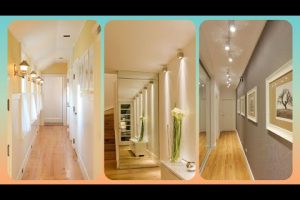
Decorating light is one of the most transformative yet underrated elements in interior design. Whether you are refreshing a cozy apartment, staging a home for sale, or simply looking to elevate your everyday living space, the way you use decorative lighting can completely redefine the atmosphere, functionality, and visual appeal of any room. Unlike overhead fixtures that serve a purely utilitarian purpose, decorating light adds depth, warmth, and personality—turning a sterile room into a sanctuary that reflects your unique style. In this comprehensive guide, we will explore everything you need to know about decorative lighting, from the different types available to expert strategies for layering light like a seasoned interior designer.
What Is Decorating Light and Why Does It Matter?
At its core, decorating light refers to any light source used primarily for aesthetic purposes rather than just illumination. This includes string lights, LED strip lights, decorative lamps, chandelier accents, candle-style fixtures, and even neon signage designed as art pieces. The goal of decorating light is to create ambiance, highlight architectural features, draw attention to art or furniture, and set a specific mood within a space.
Why does it matter so much? Lighting accounts for roughly 15 to 25 percent of a room’s overall design impact. Studies in environmental psychology consistently show that lighting directly affects mood, productivity, and even sleep quality. When you invest in thoughtful decorative lighting, you are not just making a room look better—you are improving how people feel inside it. Whether you prefer warm, candlelit vibes for a romantic dinner or cool, colorful LED accents for a modern home office, decorating light gives you the creative control to shape your environment exactly the way you want it.
Types of Decorating Light You Should Know About
The world of decorative lighting is incredibly diverse, and understanding the different categories will help you make smarter choices for your home. Here are the most popular types of decorating light options available today:
- String Lights and Fairy Lights — These remain a favorite for both indoor and outdoor decoration. From classic Edison bulb strands to modern copper wire designs, string lights add a soft, warm glow that works beautifully in bedrooms, patios, and even bathroom mirrors.
- LED Strip Lights — Highly versatile and easy to install, LED strip lights are perfect for under-cabinet kitchen lighting, behind televisions, or along staircase edges. They come in a wide range of color temperatures and even RGB options for customizable mood lighting.
- Decorative Table and Floor Lamps — These are workhorses of ambient lighting. A well-chosen lamp can serve as both a functional light source and a standalone design statement. Think sculptural bases, fabric shades, or retro-inspired silhouettes.
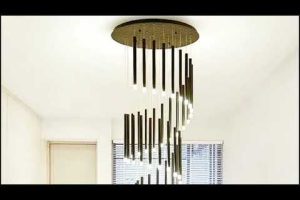
- Chandeliers and Pendant Lights — Ideal for dining rooms, foyers, and living areas, these fixtures provide a focal point while delivering beautiful downward light. Modern versions range from minimalist geometric designs to ornate crystal pieces.
- Candle-Style and Flameless Candles — Battery-operated LED candles have come a long way in realism. They offer the warmth of real flame without any fire hazard, making them safe and convenient for decorating light anywhere in the home.
- Neon Signs and Light Art — Originally associated with diners and bars, neon and LED art pieces have become mainstream home decor. Custom messages, abstract designs, and silhouette shapes add a contemporary edge to any wall.
How to Match Light Type to Room Function

Not every decorative light works well in every room. The function of the space should guide your choice. A bedroom calls for soft, warm-toned light that promotes relaxation, while a kitchen benefits from brighter, focused lighting under cabinets or above islands. Living rooms thrive on layered combinations—perhaps a statement pendant over the coffee table paired with LED strips behind a media console for a cinema-like effect.
How to Choose the Right Decorating Light for Each Room
Selecting the perfect decorating light involves considering size, color temperature, style, and placement. Below is a room-by-room breakdown to help you make confident decisions.
| Room | Recommended Light Type | Color Temperature | Best Placement |
| Living Room | Pendant lights, LED strips, floor lamps | 2700K–3000K (warm white) | Over seating areas, behind TV, along shelves |
| Bedroom | String lights, bedside lamps, flameless candles | 2200K–2700K (soft warm) | Headboard walls, window frames, dressers |
| Kitchen | LED strips, under-cabinet pucks, pendant lights | 3000K–4000K (neutral white) | Under cabinets, island pendant, pantry shelves |
| Bathroom | Vanity lights, mirror-adjacent LED strips | 3000K–3500K (warm neutral) | Around mirrors, shower niches, towel bars |
| Outdoor/Patio | String lights, solar stake lights, lanterns | 2200K–2700K (warm white) | Along fences, pergolas, tree branches, railings |
| Home Office | Desk lamps, LED strips, architectural spotlights | 4000K–5000K (cool white) | Desk surface, bookshelf accents, monitor backlight |
When shopping for decorating light, always check the color temperature (measured in Kelvin). Lower values produce warm, golden tones, while higher values create crisp, cool light. Matching the color temperature to the room’s purpose is one of the most impactful yet overlooked decisions in lighting design.
Expert Tips for Layering Decorating Light Like a Pro
Professional interior designers rarely rely on a single light source. Instead, they use a technique called light layering—combining ambient, task, and accent lighting to create a balanced and visually rich environment. Here is how you can apply this approach in your own home:
- Start with ambient light: This is your overall room illumination, typically from a ceiling fixture or recessed downlights. Keep it moderate so it does not overpower the space.
- Add task lighting: Desk lamps, reading lights, and under-cabinet LEDs serve practical purposes. They should be bright enough to support activities without casting harsh shadows.
- Incorporate accent lighting: This is where decorating light truly shines. Use spotlights, LED strips, or decorative lamps to highlight artwork, architectural details, or textured walls.
- Use dimmers everywhere: Installing dimmer switches gives you the flexibility to adjust brightness throughout the day and for different occasions. A bright, energized morning setting and a dim, cozy evening mode can coexist in the same room.
- Embrace shadows as a design element: Not every corner needs to be brightly lit. Strategic darkness creates depth and contrast, making illuminated areas feel more dramatic and intentional.
One of the most common mistakes beginners make is over-lighting a room with too many fixtures of the same type and brightness. Variety in both light source and intensity is what creates visual interest. Mix warm and cool tones, combine hard light with soft glow, and do not be afraid to let some areas remain slightly dim—these contrasts are what give a room its character.
Decorating Light Trends for 2024 and Beyond
The decorative lighting industry is evolving rapidly, with new technologies and design philosophies reshaping what is possible. Here are the key trends defining decorating light in 2024:
| Trend | Description | Best For |
| Smart Lighting Integration | Wi-Fi and Bluetooth-enabled fixtures controllable via apps or voice assistants | Tech-savvy homeowners wanting convenience and customization |
| Organic and Natural Materials | Fixtures made from rattan, bamboo, linen, and reclaimed wood | Boho, Scandinavian, and Japandi interior styles |
| Curved and Sculptural Forms | Non-traditional shapes that double as wall art or sculpture | Modern and contemporary living spaces |
| Biophilic Lighting Design | Light that mimics natural daylight patterns and sunrise/sunset transitions | Wellness-focused homes and offices |
| Minimalist Warm LEDs | Ultra-slim, low-profile LED solutions in warm tones | Small spaces and minimalist aesthetics |
| Retro Edison and Industrial Vibes | Exposed filament bulbs, metal shades, and pipe-style fixtures | Loft-style apartments and industrial kitchens |

Smart lighting deserves special mention because it has moved far beyond simple on-off switches. Today, you can program scenes that transition throughout the day—bright and cool in the morning, warm and dim in the evening—mimicking your body’s natural circadian rhythm. Brands like Philips Hue, LIFX, and Govee now offer full ecosystems that integrate with Alexa, Google Home, and Apple HomeKit, making decorating light more intuitive than ever before.
Common Mistakes to Avoid When Decorating with Light
Even experienced homeowners can fall into traps when designing their lighting scheme. Here are pitfalls to watch out for:
- Ignoring natural light sources: Your artificial decorating light should complement—not compete with—sunlight. Observe how natural light moves through your space throughout the day before choosing fixture placement and brightness.
- Using only one switch for an entire room: This eliminates your ability to create different moods and energy levels, which defeats the purpose of decorative lighting.
- Choosing style over function: A gorgeous chandelier that casts harsh glare will ruin the ambiance you are trying to create. Always consider the quality and direction of light a fixture produces.
- Skipping the planning phase: Before purchasing any fixtures, sketch out a basic lighting plan. Identify what each area of the room is used for and what kind of light it needs.
- Overlooking cable management: Visible wires and messy installations can detract from the beauty of even the most elegant decorating light setup. Use cable concealers, raceways, or wireless options where possible.
Frequently Asked Questions About Decorating Light
What is the best color temperature for bedroom decorating light?
For a bedroom, you want warm, relaxing light that does not interfere with melatonin production. The ideal color temperature range is between 2200K and 2700K. This warm, amber-toned light mimics the glow of candlelight and helps signal your body that it is time to wind down. Avoid anything above 3000K in the bedroom, as cooler tones can feel clinical and stimulating.
How many decorating light sources should a room have?
A well-designed room typically has three to five distinct light sources at varying heights and purposes. This creates the layered lighting effect that professionals aim for. For example, a living room might include a central chandelier, two floor lamps, LED strip lighting behind a media wall, and a table lamp on a sideboard. The exact number depends on the room’s size and function.
Can I use decorating light in a small room without making it feel cluttered?
Absolutely. The key is to choose fixtures that serve dual purposes—both illumination and decoration—without taking up excessive visual space. LED strip lights, wall-mounted sconces, and slim profile pendants are excellent choices for small rooms. You can also use mirrors strategically to bounce decorative light around, making the space feel larger and brighter simultaneously.
What is the difference between decorating light and regular ambient lighting?
Regular ambient lighting provides general illumination for a room, typically through ceiling-mounted fixtures, recessed lights, or flush-mount fixtures. Decorating light, on the other hand, is intentionally chosen for its aesthetic value and mood-setting capability. It often serves as a focal point, conversation starter, or artistic element within the room’s design. Many decorative light fixtures can also function as ambient light, but not all ambient fixtures qualify as decorative light.
Are LED strip lights a good option for decorating light in rental apartments?
Yes, LED strip lights are one of the best decorating light solutions for renters. They are adhesive-backed, require no hardwiring, and can be easily removed without damaging walls or surfaces. You can place them under cabinets, along headboard edges, behind furniture, or in shelving units. Many modern LED strips are dimmable and app-controlled, giving you professional-looking results without any permanent installation.
Final Thoughts on Decorating Light
Decorating light is far more than a home improvement trend—it is a fundamental design tool that shapes how we experience our living spaces every single day. From the gentle warmth of fairy lights draped across a bedroom headboard to the sleek precision of LED strips illuminating a modern kitchen island, every lighting choice tells a story about who you are and how you want to live. By understanding the different types of decorative lighting, applying layering techniques, staying aware of current trends, and avoiding common mistakes, you can create spaces that are not only beautiful but deeply comfortable and functional. Start small with a single statement piece, experiment with placement, and gradually build a lighting design that feels uniquely yours. The right decorating light does not just illuminate a room—it transforms it into a place you never want to leave.