


When it comes to transforming your outdoor space into a beautifully illuminated retreat, the best solar garden lights offer a perfect blend of convenience, energy efficiency, and aesthetic appeal. Unlike traditional wired fixtures that require complex installation and ongoing electricity costs, modern solar-powered garden lighting has evolved dramatically in both performance and design. Whether you are looking to accentuate a flower bed, line a winding garden path, or create a warm ambiance on your patio, the right solar landscape lighting can make a striking difference. In this comprehensive guide, we break down the top options across every category, highlight what to look for before you buy, and share expert tips that help you get the most out of your outdoor solar lighting investment.
Why Solar Garden Lights Deserve a Spot in Your Yard
Solar garden lights have come a long way from the dim, unreliable stake lights of the past. Today’s solar-powered garden fixtures feature advanced photovoltaic cells, high-capacity lithium-ion batteries, and bright LED chips that rival the output of low-voltage wired systems. The benefits extend far beyond just saving on electricity bills:
- Zero wiring and installation costs — simply place them where you need light and let the sun do the rest.
- Environmentally friendly illumination — no grid electricity means a smaller carbon footprint for your home.
- Smart motion sensors and auto-dusk-to-dawn operation — many models now include programmable settings for ultimate convenience.
- Year-round versatility — from pathway marking to security spotlights, solar options exist for every outdoor lighting need.
What Makes a Solar Garden Light Worth Buying
Not all solar landscape lighting products are created equal. Before you invest in any eco-friendly garden illumination, understanding the key factors that determine real-world performance is essential. Here is what separates budget options from the truly best solar garden lights:
1. Solar Panel Quality and Placement
The solar panel is the heart of any photovoltaic garden stake or fixture. Monocrystalline panels consistently outperform polycrystalline alternatives in low-light conditions and charge faster even on cloudy days. Some premium models feature detachable panels that you can position directly in full sunlight while the light fixture sits in shade — a game-changer for densely planted gardens.
2. Battery Capacity and Type
Lithium iron phosphate (LiFePO4) batteries are rapidly becoming the gold standard for durable, long-lasting solar outdoor lighting. They outperform standard lithium-ion cells in both charge cycles and temperature resilience. Look for fixtures with at least 2000mAh capacity for reliable all-night runtime.
3. LED Brightness and Color Temperature
Measured in lumens, brightness varies widely across the sustainable outdoor lighting market. Warm white LEDs (2700K–3000K) create a cozy atmosphere perfect for patios and pathways, while cool white (4000K–5000K) delivers crisp task lighting ideal for security and entryway illumination.
4. Weather Resistance and Build Quality
IP65 or higher ratings ensure your LED solar lights for yard can withstand rain, snow, and humidity. Stainless steel, aluminum, and ABS plastic housings each offer different durability profiles depending on your climate and aesthetic preferences.
Top Solar Garden Light Categories Compared
Different areas of your garden demand different lighting solutions. Here is a breakdown of the most popular categories and what to look for in each:
| Category | Best For | Typical Lumens | Runtime (Avg.) |
| Pathway Stake Lights | Walkways, garden borders, flower beds | 50–150 lm | 8–12 hours |
| Spotlight / Flood Lights | Security, accent walls, trees | 200–600 lm | 6–10 hours |
| String Lights | Patios, pergolas, pergola covers | 20–80 lm per bulb | 6–10 hours |
| Lantern / Post Lights | Decks, entryways, gathering spaces | 100–300 lm | 8–14 hours |
| Motion-Sensor Flood Lights | Driveways, security zones | 300–1000 lm | 4–8 hours |

Our Top Picks for the Best Solar Garden Lights in 2024
After testing and researching dozens of models, here are standout options that deliver exceptional value and performance across every price range:
- Aootek 128 LED Solar Motion Security Light — A powerhouse in the outdoor solar lighting category, this flood light delivers up to 1000 lumens with three lighting modes. Its adjustable solar panel and PIR motion sensor make it one of the most versatile security fixtures available.
- SRESKY Solar Path Lights (12-Pack) — These weather-resistant brass-finish stakes offer warm 2700K glow with up to 12 hours of runtime. They are among the best solar garden lights for creating a consistent, elegant look along garden paths.
- Baxia Technology Solar String Lights — Featuring 30 LED bulbs on an 82-foot copper wire, these lantern-style lights are ideal for patio decor and outdoor gatherings. The solar panel charges efficiently, and the flickering flame effect adds a rustic charm.
- Brennenstuhl Solar Spotlights — Known for German engineering, these adjustable spotlights offer excellent beam focus and a magnetic mount for flexible placement on fences, walls, or garden structures.
- LITOM Solar Landscape Spotlights — With IP68 waterproofing and a remote control for easy mode switching, these spotlights are a favorite among homeowners seeking reliable solar landscape lighting for large trees and architectural features.
Installation and Placement Tips That Maximize Performance
Even the best solar garden lights will underperform if installed incorrectly. Follow these proven strategies to get the brightest, longest-lasting results from your solar-powered garden lighting setup:
- Position solar panels facing south (in the Northern Hemisphere) to capture maximum direct sunlight throughout the day.
- Keep panels free from shadows cast by trees, fences, or roof overhangs — even partial shading can dramatically reduce charging efficiency.
- Install pathway lights 6–8 feet apart for consistent illumination without dark gaps.
- Angle spotlights downward at 45 degrees for optimal coverage of garden beds, walls, and architectural details.
- Allow new batteries a full charge cycle (2–3 days of direct sunlight) before expecting peak performance on the first night.
- Clean solar panels monthly with a soft damp cloth to remove dust, pollen, and bird droppings that block light absorption.
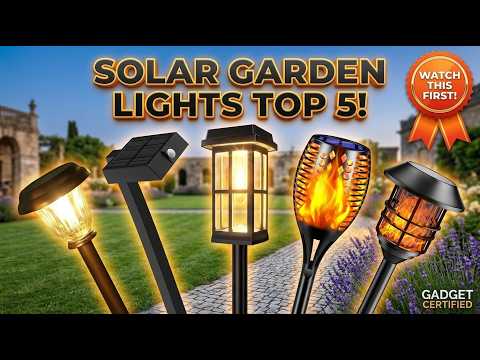
Common Mistakes to Avoid When Buying Solar Lights
The sustainable outdoor lighting market is flooded with misleading claims. Protect your investment by steering clear of these common pitfalls:
- Ignoring mAh ratings — A 1000mAh battery simply cannot power bright LEDs all night in most climates. Always check battery capacity before purchasing.
- Buying all one type — A well-designed garden uses a layered approach combining path lights, spotlights, and ambient string lights for depth and dimension.
- Overlooking color temperature consistency — Mixing warm and cool white fixtures in the same area creates a jarring visual effect.
- Skipping rain-guard design checks — Even “waterproof” lights vary significantly in real-world rain resistance. Look for genuine IP65+ ratings.
Maintenance Guide: Keeping Your Solar Lights Running at Peak
One of the greatest advantages of eco-friendly garden illumination is minimal upkeep, but a little maintenance goes a long way:
- Replace batteries every 1–2 years for consistent brightness.
- Check and clean solar panels seasonally.
- Store delicate string lights indoors during heavy snow or ice storms.
- Tighten stakes and mounts annually to prevent shifting from wind or soil erosion.
Final Thoughts on Choosing the Best Solar Garden Lights
Selecting the best solar garden lights comes down to matching the right product to your specific outdoor space, climate, and lighting goals. Whether you prioritize security, ambiance, or simply reducing your energy consumption, today’s solar lighting technology delivers results that were unimaginable just a decade ago. Start with a clear plan for your garden layout, invest in quality panels and batteries, and you will enjoy reliable, beautiful outdoor solar lighting for years to come — all powered entirely by the sun.
Frequently Asked Questions
1. How long do the best solar garden lights last on a single charge?
Runtime depends heavily on battery capacity, LED brightness, and daily sun exposure. Most quality LED solar lights for yard applications last between 8 and 12 hours on a full charge. Models equipped with LiFePO4 batteries and efficient motion sensors often reach the upper end of this range, especially during summer months with abundant sunlight.
2. Do solar garden lights work in cloudy or rainy weather?

Yes, but with reduced performance. Modern monocrystalline solar panels can still generate meaningful charge on overcast days, though expect slightly shorter runtime and dimmer output compared to full-sun conditions. Placing detachable panels in the brightest available spot — even if it is a balcony or windowsill — can significantly improve charging during extended cloudy periods.
3. Can I replace the batteries in solar garden lights myself?
Many premium solar-powered garden fixtures use replaceable rechargeable batteries, typically 1.2V Ni-MH or 3.7V lithium cells. Check your model’s specifications before purchasing replacement cells, and always match voltage and capacity ratings to avoid damaging the solar controller or LED driver circuit.
4. What is the difference between solar path lights and solar spotlights?
Solar path lights are designed for ground-level placement along walkways and borders, typically emitting a soft 50–150 lumens of wide-angle light. Solar spotlights project a focused, high-intensity beam (200–1000+ lumens) designed for accentuating trees, walls, or serving as security flood lights. The two serve entirely different purposes and are best used together for a complete garden lighting scheme.
5. Are solar garden lights worth the investment compared to wired options?
For most residential gardens, absolutely. The upfront cost of quality solar landscape lighting is often comparable to low-voltage wired systems, but you eliminate trenching, transformer purchase, and ongoing electricity expenses. Additionally, portable solar fixtures can be repositioned seasonally — something wired systems simply cannot do without costly rewiring.