


When most people think about redesigning their bedroom, they focus on new mattresses, upgraded curtains, or a fresh coat of paint. But one element that quietly transforms the entire feel of a sleeping space is often overlooked: the bedroom lamp. A well-chosen lamp does far more than illuminate a room — it sets the mood, enhances your sleep environment, and ties together the aesthetic of your personal sanctuary. Whether you are searching for a subtle bedside table lamp to read by, a dramatic accent bedroom lamp for ambient glow, or a statement piece that anchors your room’s design, understanding what makes a great bedroom lamp is the first step toward creating the space you deserve.
The bedroom lighting market has exploded with options in recent years. From classic Tiffany-style table lamps to sleek modern LED sconces, the choices can feel overwhelming. But here is the good news — once you understand the key factors like light temperature, bulb type, placement, and style compatibility, the decision becomes much simpler. This guide covers everything from the basics of bedroom lamp types to advanced placement strategies that interior designers actually use.
Why Bedroom Lamps Matter More Than You Think
A bedroom lamp is not just a decorative accessory. It is a functional tool that directly impacts your sleep quality, circadian rhythm, and even your daily productivity. Harsh overhead lighting right before bed can suppress melatonin production, making it harder to fall asleep. A thoughtfully placed bedroom reading lamp with a warm dimmable bulb, on the other hand, signals your brain that it is time to wind down. This is why lighting design professionals consistently emphasize the importance of layered bedroom lighting — combining ambient, task, and accent sources to create balance.
Beyond functionality, bedroom lamps contribute heavily to the room’s visual identity. A hand-blown glass lamp on a mahogany nightstand evokes a completely different atmosphere than a minimalist brushed-metal wall sconce. The right lamp communicates warmth, personality, and intention. It is one of the easiest and most affordable ways to refresh a room without a full renovation.
Types of Bedroom Lamps: A Complete Breakdown
Understanding the different categories of bedroom lamps helps you narrow your search based on purpose, style, and placement. Here are the most popular types you will encounter.
Bedside Table Lamps
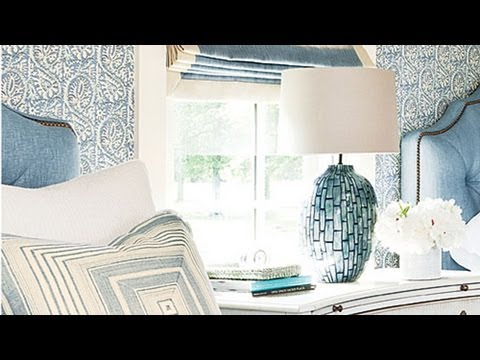
These are the most common bedroom table lamps and for good reason. They sit on nightstands, providing direct task lighting for reading, journaling, or late-night phone scrolling. Look for models with adjustable necks or shades that direct light downward to reduce glare. Popular styles include drum shades, bell-shaped shades, and fabric-covered bases that complement bedding palettes.
Wall Sconces
Wall-mounted bedroom sconces free up precious nightstand space while delivering focused or ambient light. Sconces come in uplight, downlight, or dual-direction configurations. They are particularly popular in smaller bedrooms or modern minimalist setups where floor and table space is at a premium. Candle-flame LED sconces have surged in popularity for their warm, flickering ambiance.
Floor Lamps
Also known as bedroom floor lamps or torchière lamps, these tall standing lamps provide indirect ambient lighting. They are ideal for corners, behind seating areas, or beside armoires. Arc floor lamps are a trendy choice for positioning over bedside tables or reading chairs, offering a sculptural element alongside practical illumination.
Clip-On and Plug-In Lamps
For renters or anyone who wants a temporary lighting solution without permanent installation, clip-on lamps that attach to furniture and plug-in wall sconces offer flexibility. They are affordable, portable, and surprisingly stylish now that designers have embraced the category.
Smart Bedroom Lamps
The newest generation of bedroom lamps integrates with Alexa, Google Home, and Apple HomeKit. Smart lamps allow you to adjust brightness, change color temperature from cool white to warm amber, and even set automated sunset lighting routines. Brands like Philips Hue, LIFX, and IKEA TRÅDFRI have made smart lighting accessible and reliable.
How to Choose the Perfect Bedroom Lamp
Selecting the right lamp involves more than picking the prettiest design on a shelf. Here are the critical factors to evaluate before you buy.
- Light Temperature: For a bedroom, aim for warm light between 2700K and 3000K. This range mimics candlelight and supports natural sleep cycles. Avoid cool white bulbs above 4000K for bedside use.
- Bulb Type: LED bulbs are the best choice for bedroom lamps. They produce minimal heat, last thousands of hours, and are available in dimmable options. Look for bulbs with a CRI (Color Rendering Index) of 90 or above for accurate, flattering light.
- Dimmability: A dimmable lamp paired with a dimmer switch or smart bulb gives you complete control over the intensity of your bedroom lighting throughout the day.
- Size and Proportion: The lamp shade should sit at or slightly below eye level when you are sitting in bed. A lamp that is too tall or too short disrupts the visual balance of the nightstand.
- Style Coordination: Match the lamp’s material, finish, and design language to your existing bedroom furniture. Brass lamps pair well with warm wood tones, while matte black fixtures suit industrial and contemporary decors.
Quick Decision Guide
- Need focused reading light? Choose a bedside table lamp with an adjustable arm and a downward-facing shade.
- Want ambient, room-warming glow? Go for a fabric-shade floor lamp or an uplight wall sconce.
- Short on nightstand space? Opt for a wall-mounted sconce or a clip-on lamp.
- Want automation and convenience? Invest in a smart bedroom lamp with app control and voice assistant compatibility.
Placement and Lighting Strategies for Maximum Impact
Even the most beautiful bedroom lamp will fall flat if it is poorly positioned. Interior designers follow a few placement principles that anyone can replicate.
The Rule of Symmetry
For a balanced, traditional look, place matching lamps on both sides of the bed. This creates a sense of order and calm — ideal for primary bedrooms. Asymmetrical arrangements with a tall lamp on one side and a small accent lamp on the other work beautifully for modern, eclectic bedrooms.
Layered Lighting Zones
Instead of relying on a single light source, create three layers: ambient (ceiling or floor lamp for general glow), task (bedside lamp for reading), and accent (a decorative lamp or LED strip highlighting artwork or architectural details). Layering adds depth and dimension to your bedroom at night.
Distance from the Bed
Position your bedside lamp approximately 12 to 18 inches from the edge of the mattress for comfortable reading without eye strain. Wall sconces should be mounted 60 to 66 inches from the floor, aligning with the top of the mattress for optimal light direction.
Bedroom Lamp Comparison: Find Your Best Match

| Lamp Type | Best For | Space Needed | Style Versatility | Price Range |
| Bedside Table Lamp | Task lighting, reading | Nightstand required | High | $25 – $200 |
| Wall Sconce | Ambient light, small spaces | Minimal (wall mount) | Medium-High | $30 – $250 |
| Floor Lamp | Ambient glow, corner fill | Floor space needed | Medium | $50 – $350 |
| Smart Lamp | Automation, color control | Varies by model | High | $40 – $300 |
| Clip-On / Plug-In | Renters, temporary setups | Very minimal | Medium | $15 – $80 |
Expert Tips for Getting the Most Out of Your Bedroom Lamp Setup
Even experienced homeowners miss opportunities when it comes to bedroom lighting. Here are some pro-level tips that make an immediate difference.
- Use a three-way bulb in your bedside lamp for instant low-medium-high brightness control without needing a smart bulb.
- Add a lamp with a fabric shade to soften harsh light and reduce glare on screens and books.
- Consider the base material carefully. Ceramic and wood bases add warmth; metal and glass bases add a cooler, more contemporary feel.
- Replace outdated lamp shades instead of buying entirely new lamps. A simple shade swap can modernize or refresh a lamp for a fraction of the cost.
- Install a dimmer switch on your bedside lamp circuit. This single upgrade dramatically increases the versatility of any bedroom lamp.
- Test the lamp in your actual bedroom before purchasing. A lamp that looks perfect in a showroom may overwhelm a small nightstand or clash with your wall color under real lighting conditions.
Frequently Asked Questions

What is the best bedroom lamp for reading in bed?
The best bedroom lamp for reading features an adjustable arm, a focused downward-facing shade, and a warm LED bulb between 2700K and 3000K. Look for a lamp with a dimmer function so you can lower the intensity as you drift off to sleep. Arc floor lamps and swing-arm wall sconces are also excellent alternatives if you want hands-free flexibility.
How bright should a bedroom lamp be?
A bedroom lamp should produce between 200 and 400 lumens for comfortable ambient reading light. This is roughly equivalent to a 25-watt incandescent bulb. For task reading, you can go up to 600 lumens, but for general nighttime use, keeping the brightness lower supports melatonin production and better sleep quality.
Can I use any LED bulb in my bedroom lamp?
Most LED bulbs are compatible with standard lamp sockets, but always check the fixture’s maximum wattage rating and whether it is rated for use with dimmers. Using a non-dimmable LED bulb in a lamp with a dimmer switch can cause flickering or premature bulb failure. Dimmable LED bulbs rated at 2700K or 3000K are the ideal choice for bedroom lamps.
What bedroom lamp styles are trending in 2024?
Current trends in bedroom lamps include organic shapes like hand-thrown ceramic bases, matte black and brass finishes, curved arc designs, and candle-flame LED bulbs for a cozy flicker effect. Minimalist Scandinavian-style lamps with clean lines and neutral shades continue to dominate modern interiors, while maximalist designs featuring stained glass and textured fabrics are making a comeback in eclectic and transitional bedrooms.
How do I position bedroom lamps for the best sleep environment?
Position your bedside lamp to the side of the bed rather than directly above your head, and aim the light downward toward your reading material. Use warm-colored bulbs (2700K or below) and always dim the light 30 to 60 minutes before your intended bedtime. Avoid placing lamps where their glow directly hits your eyes from a lying-down position, as this can disrupt your ability to fall asleep naturally.
Are smart bedroom lamps worth the investment?
Smart bedroom lamps are absolutely worth the investment if you value convenience, automation, and energy efficiency. The ability to set automated lighting scenes — such as a gradual sunrise alarm or a sunset dimming routine — can significantly improve your sleep hygiene. Many smart lamps also integrate with broader smart home ecosystems, allowing you to control your entire bedroom’s lighting from a single app or voice command.
Final Thoughts
A bedroom lamp is one of the smallest investments you can make with the biggest impact on your daily comfort and bedroom atmosphere. Whether you prioritize functionality for reading, ambiance for relaxation, or style to elevate your room’s design, the right lamp brings all of those elements together. Start by assessing your needs — do you need a dedicated reading light, a mood-setting accent piece, or a smart lighting solution? Then match your choice to the lamp type, bulb temperature, and placement strategy outlined in this guide. Your bedroom should be the most restful room in your home, and the perfect lamp is the simplest way to make that a reality every single night.