


Finding the best desk lamps for eyes is one of the smartest investments you can make if you spend hours working, reading, or crafting at a desk every single day. Eye strain, headaches, blurry vision, and disrupted sleep patterns are all connected to poor lighting choices in your workspace. The right desk lamp does far more than illuminate your desk — it actively protects your visual comfort and long-term eye health. Whether you are a student pulling all-nighters, a remote worker staring at screens for eight hours, or a creative professional who needs precise color rendering, this guide breaks down everything you need to know. We will explore what features actually matter, highlight top-performing lamps, and give you practical expert tips so you can choose with confidence.
Why the Right Desk Lamp Matters for Eye Health
Most people underestimate how significantly their desk lighting affects their eyes. Poor illumination forces your pupils to constantly adjust, which leads to fatigue over time. Harsh or uneven light creates glare on screens and paper, causing you to squint and lean closer to your work. Over weeks and months, these small daily stresses compound into chronic discomfort. On the other hand, a well-designed task lamp provides consistent, balanced light that reduces the workload on your eye muscles. The goal is to create an environment where your eyes feel relaxed and supported, not strained and overworked. Understanding this connection is the first step toward making a better choice.
What to Look for in a Desk Lamp That Protects Your Eyes
Not all desk lamps are created equal. Marketing claims like “eye-care” or “blue-light free” can be misleading if you do not know what to look for. Here are the critical features that separate genuinely eye-friendly lamps from generic alternatives.
Color Temperature and Its Impact on Comfort
Color temperature, measured in Kelvin (K), determines whether light feels warm or cool. Lamps with adjustable color temperature let you shift between warm tones (around 2700K–3000K) for relaxed reading and cooler tones (4000K–5000K) for focused work. During evening hours, warmer light helps your body maintain healthy melatonin production, which is essential for quality sleep. For daytime desk work, a neutral white around 4000K strikes the best balance between alertness and comfort. The best desk lamps for eyes offer smooth dimming and color temperature adjustment so you can adapt to changing conditions throughout the day.

Flicker-Free and Glare-Free Technology
One of the most important but overlooked specs is flicker rate. Cheap LED lamps often use pulse-width modulation (PWM) dimming, which creates rapid, imperceptible light fluctuations. Your eyes may not consciously notice this, but your brain registers it as stress, leading to headaches and fatigue over time. High-quality desk lamps use DC dimming or advanced constant-current drivers that deliver completely flicker-free light. Additionally, lamps with diffused LED panels or frosted covers eliminate harsh glare points, creating a softer and more uniform light spread across your workspace.
Color Rendering Index (CRI) Explained

The Color Rendering Index measures how accurately a light source reproduces colors compared to natural sunlight, which has a CRI of 100. For tasks like reading, design work, or editing photos, you want a CRI of 90 or above. A lamp with a high CRI reduces the extra effort your eyes must exert to distinguish between similar shades and details. This is especially important if you work with printed materials, fabrics, or digital design where subtle color differences matter.
Brightness Range and Dimming Flexibility
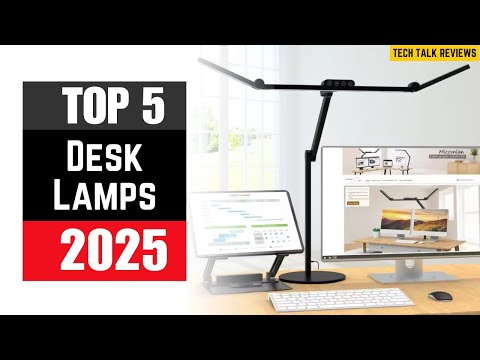
Everyone’s lighting needs are different based on desk size, ambient room light, and the nature of the task. The most eye-friendly desk lamps offer a wide brightness range — ideally from around 200 lux for casual reading to over 1000 lux for detailed technical work. Look for lamps with stepless dimming controls, either through touch panels, sliders, or rotary dials, so you can fine-tune output precisely rather than jumping between fixed levels.
Top Picks: Best Desk Lamps for Eye Protection
Below are some of the most highly regarded desk lamps that prioritize eye comfort, backed by strong reviews and thoughtful design.
- BenQ ScreenBar Halo — This innovative lamp mounts directly on top of your monitor, casting light downward onto your desk without creating screen glare or taking up workspace. Its adaptive brightness sensor automatically adjusts output based on ambient light, making it one of the smartest choices for heavy computer users who want to reduce digital eye strain.
- TaoTronics TT-DL16 — Offering an excellent balance of features and affordability, this lamp includes five color temperature modes, stepless dimming, and a high CRI of 95. Its flexible gooseneck design makes it easy to position the light exactly where you need it, whether for reading, drawing, or keyboard work.
- Lumiy Lightblade 1500S — Designed with eye health as the core philosophy, this lamp delivers uniform, flicker-free light with a wide illumination area. It features an exceptional build quality and an intuitive touch control panel, making it a favorite among professionals who spend long hours at their desks.
- Adjustable LED Desk Lamp by Hblifel — A budget-friendly option that punches above its weight, offering seven lighting modes, a built-in USB charging port, and a flexible arm. It is a solid entry-level choice for students or anyone starting to pay more attention to workspace lighting.
- Philips Hue Desk Lamp — For users who want smart home integration alongside excellent eye care, this lamp supports app-based control, voice commands, and extensive customization of color temperature and brightness. It is ideal for those who want a premium, connected lighting experience.
Comparison Table: Key Features at a Glance
| Lamp Model | Color Temp Range | CRI | Flicker-Free | Brightness Range | Price Range |
| BenQ ScreenBar Halo | 2700K–6500K | 90+ | Yes | Adaptive | Premium |
| TaoTronics TT-DL16 | 3000K–6500K | 95 | Yes | Stepless | Mid-Range |
| Lumiy Lightblade 1500S | 2700K–6500K | 95+ | Yes | Wide Range | Premium |
| Hblifel LED Desk Lamp | 3000K–6000K | 85+ | Yes | Stepless | Budget |
| Philips Hue Desk Lamp | 2200K–6500K | 90+ | Yes | Smart-Adjusted | Premium |
Expert Tips for Reducing Eye Strain at Your Desk
Choosing the best desk lamp for eyes is only part of the equation. How you position and use your lamp matters just as much. Here are proven strategies to maximize eye comfort throughout your workday.
- Position the lamp opposite your dominant hand. If you are right-handed, place the lamp on your left side so that your hand and arm do not cast shadows directly onto your work surface.
- Avoid placing the lamp directly in your line of sight. The light source should illuminate your desk or documents without shining directly into your eyes or bouncing off your computer screen.
- Use the 20-20-20 rule alongside good lighting. Every 20 minutes, look at something 20 feet away for 20 seconds. This simple habit, combined with proper desk illumination, dramatically reduces cumulative eye fatigue.
- Match your lamp to your room’s ambient light. A bright desk lamp in a dark room creates harsh contrast that tires your eyes. Supplement with indirect overhead or background lighting to maintain balanced illumination.
- Keep your lamp clean. Dust on the lamp shade or LED panel scatters light unevenly, creating hotspots and glare that your eyes must constantly compensate for.
Frequently Asked Questions About Desk Lamps for Eye Health
What is the best color temperature for a desk lamp to reduce eye strain?
The sweet spot for most desk work is between 4000K and 5000K, which provides a neutral white light that promotes focus without the harshness of cooler blue tones. For evening use, shifting down to 2700K–3000K helps minimize blue light exposure and supports your natural sleep cycle. The best desk lamps for eyes give you full control over this range so you can adjust throughout the day.
Are LED desk lamps safe for eyes compared to fluorescent or incandescent options?
Modern LED desk lamps are generally the safest option for your eyes when they are flicker-free and have a high CRI rating. Unlike fluorescent tubes, quality LEDs do not emit harmful UV radiation or produce the subtle flicker associated with older ballast systems. Incandescent bulbs are flicker-free but produce excessive heat and are far less energy efficient. LEDs strike the best balance of eye safety, longevity, and energy savings.
How bright should a desk lamp be for reading and close work without causing eye fatigue?
For comfortable reading and close work, your desk should be illuminated to around 300–500 lux. For detailed tasks like drafting, soldering, or intricate crafting, 500–1000 lux is ideal. The key is having adjustable brightness so you can increase light when needed and dial it back during relaxed tasks. A lamp that only offers one fixed brightness level rarely meets everyone’s needs.
Can a desk lamp help with headaches caused by screen time?
Yes, significantly. Many screen-related headaches stem from poor contrast between your bright monitor and a dimly lit room, which forces your pupils into constant adjustment. A well-positioned desk lamp that provides balanced ambient light reduces this contrast and takes the strain off your visual system. Choose a lamp that avoids casting light directly on the screen, and you will likely notice a meaningful reduction in tension headaches over time.
Should I look for a desk lamp with blue light filtering technology?
Blue light filtering can be helpful, especially for evening use, but it is not the only factor. The most important qualities remain flicker-free operation, appropriate color temperature, and high CRI. Some lamps include built-in blue-light reduction modes that shift the color temperature warmer automatically at certain times. However, software solutions like Night Shift or f.lux on your devices, combined with a good-quality desk lamp, provide comprehensive blue light management without relying on a single product.
Conclusion
Selecting the best desk lamps for eyes is not just about aesthetics or brand prestige — it is a meaningful investment in your daily comfort, productivity, and long-term visual health. The ideal lamp combines flicker-free LED technology, adjustable color temperature, high color rendering, and flexible brightness control to create a workspace that supports your eyes rather than punishing them. Whether you choose a premium pick like the BenQ ScreenBar Halo or a budget-friendly option like the Hblifel model, what matters most is that the lamp fits your specific tasks, workspace layout, and personal comfort preferences. Pair your new lamp with smart lighting habits, and your eyes will thank you for years to come.