


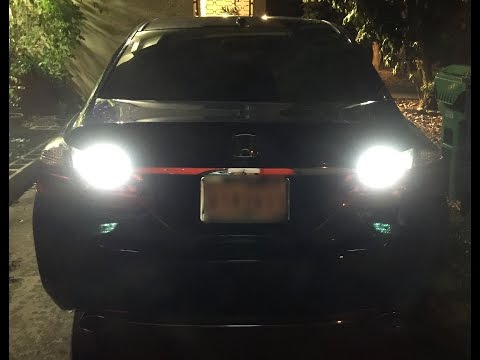
If you are looking for a reliable lighting upgrade for your vehicle’s dashboard, instrument cluster, or interior signage, the 921 LED bulb is one of the most popular and practical solutions available today. Whether you are a DIY mechanic, a car enthusiast, or someone simply tired of dim, flickering stock bulbs in your gauge cluster, understanding what the 921 LED bulb offers can save you time, money, and frustration. This guide covers everything you need to know — from specifications and compatibility to top recommendations, installation tips, and frequently asked questions — so you can make an informed purchase decision with confidence.
What Is a 921 LED Bulb and Why Does It Matter?
The 921 bulb is a wedge-base automotive light originally designed for dashboard indicators, instrument backlighting, and small interior fixtures. Traditional 921 bulbs use a miniature incandescent filament that produces a warm yellowish glow while drawing considerable power and generating heat. A 921 LED bulb replaces this outdated technology with modern light-emitting diodes, delivering brighter illumination, significantly longer lifespan, and substantially lower power draw. For anyone maintaining, restoring, or upgrading a vehicle, swapping in a 921 LED replacement is one of the simplest and highest-impact modifications you can make.
The importance of upgrading to LED in these applications cannot be overstated. Dashboard lighting directly affects your visibility while driving at night or in low-light conditions. A dim or burnt-out indicator bulb can obscure critical warning lights, compromising safety. LED bulbs solve this problem while also reducing the electrical load on your vehicle’s circuits, which becomes especially important in older cars with aging wiring systems.
Key Specifications and Features of 921 LED Bulbs
Before purchasing a 921 LED bulb, understanding the technical specifications helps you choose the right product for your application. Here is a breakdown of the most important specifications:
- Base Type: Wedge-style BA9s base, the standard fitting for 921 applications
- Voltage: Typically 12V DC, compatible with most automotive electrical systems
- Lumens: Ranges from approximately 80 to 200 lumens depending on the model and number of LED emitters
- Color Temperature: Available in warm white (3000K), neutral white (4000K), cool white (5000K), and red/amber for turn signals
- Power Draw: Usually between 0.5W and 2W per bulb, a massive reduction compared to the 3W–5W of traditional incandescent 921 bulbs
- Lifespan: 30,000 to 50,000 hours, which is roughly 25 to 40 times longer than a standard incandescent filament bulb
- Instant On: LEDs reach full brightness instantly, unlike some bulb types that require a warm-up period
Why the BA9s Base Matters
The BA9s wedge base is a critical detail. It is a small, two-pin push-fit connector that slides directly into the socket without any additional wiring or adapters. This makes the 921 LED bulb a true plug-and-play replacement in most applications. However, always verify the base type matches your fixture, because some vehicles use similar but physically different bases like the T10 or W5W.
Common Applications for 921 LED Bulbs
The versatility of the 921 LED bulb means it fits into a surprisingly wide range of vehicles and uses. Here are the most common applications:
- Dashboard Instrument Clusters: Backlighting speedometers, tachometers, fuel gauges, and warning indicators in cars, trucks, and motorcycles
- Interior Courtesy Lights: Small dome lights, map lights, and compartment lighting in vintage and modern vehicles
- Indicator and Signal Lights: Dashboard warning lights, turn signal indicators on instrument panels, and accessory indicator lights
- Motorcycle and Scooter Gauges: Compact instrument clusters found on many two-wheel vehicles rely heavily on 921-sized bulbs
- Marine Instrumentation: Small boat dashboards and nautical gauge clusters often use 921 wedge-base bulbs
- RV and Trailer Lighting: Interior readout panels and indicator lights in recreational vehicles
- Custom and Restomod Projects: Automotive restorations where period-correct LED upgrades maintain the original look with modern reliability
Benefits of Upgrading to a 921 LED Bulb
Making the switch from incandescent 921 bulbs to LED equivalents delivers several tangible advantages that go beyond simple brightness:
- Dramatically Brighter Illumination: LED emitters concentrate light output more efficiently, making gauges and indicators far easier to read at night
- Reduced Power Consumption: Lower wattage means less strain on your vehicle’s electrical system and a marginal improvement in fuel efficiency over time
- Longer Operational Life: With tens of thousands of hours of rated life, you may never need to replace a 921 LED bulb again during a typical vehicle ownership period
- Reduced Heat Output: LEDs run cool, eliminating the risk of heat damage to plastic lens covers, printed gauge faces, and nearby wiring harnesses
- Vibration Resistance: Unlike incandescent bulbs with fragile filaments, LEDs have no moving parts and withstand the vibrations of driving on rough roads
- Instant Full Brightness: No flickering, no gradual warm-up — the light is immediately at full intensity when you start the vehicle
- Color Options for Customization: Choose from various color temperatures to match your vehicle’s interior aesthetic or to differentiate between gauge types

Potential Compatibility Issues and How to Avoid Them
While the 921 LED bulb is a straightforward replacement in most cases, there are a few compatibility considerations that can trip up the unwary buyer. Being aware of these issues before you purchase will save you from a frustrating installation process.
Canbus and Hyper-Flash Problems
Some modern vehicles use a CANbus system that monitors the electrical load of each bulb. Because a 921 LED draws far less current than an incandescent bulb, the vehicle’s computer may interpret the lower draw as a burnt-out bulb, triggering a warning message or causing the indicator to flash rapidly. This is one of the most commonly reported issues with LED bulb replacements.
To resolve this, look for 921 LED bulbs that include a built-in resistor or decoder module. These resistors mimic the power draw of a traditional filament bulb, fooling the vehicle’s computer into recognizing the bulb as operational. Alternatively, you can purchase a separate CANbus decoder adapter that installs inline with the bulb.
Reverse Polarity and Correct Orientation
LEDs are polarity-sensitive, meaning they only light up when electricity flows in the correct direction. In some 921 socket configurations, the bulb may need to be inserted flipped 180 degrees. Most quality 921 LED bulbs are designed with polarity-independent circuitry, but if you encounter a bulb that does not light up, simply reverse its orientation in the socket.
Fitment and Physical Size

Not all 921 LED bulbs are created equal in terms of physical dimensions. Some LED bulbs are slightly larger in diameter than their incandescent counterparts because they house multiple LED chips and heat sinks. Before purchasing, check the bulb’s diameter and length measurements against the available space inside your fixture. A bulb that is too large may not seat properly or may interfere with the lens cover or diffuser.
Comparison: 921 LED Bulb vs. Traditional 921 Incandescent Bulb
| Feature | 921 Incandescent | 921 LED |
| Brightness (Lumens) | 40–80 lm | 80–200 lm |
| Power Draw | 3W–5W | 0.5W–2W |
| Lifespan | 1,000–2,000 hours | 30,000–50,000 hours |
| Heat Output | High | Low |
| Color Temperature Options | Limited (warm yellow) | Wide range (3000K–6500K) |
| Vibration Resistance | Poor (fragile filament) | Excellent (solid-state) |
| Instant Full Brightness | Yes | Yes |
| Approximate Cost per Bulb | $0.50–$1.50 | $2.00–$8.00 |
As the comparison table clearly shows, the 921 LED bulb outperforms the traditional incandescent version in nearly every measurable category. While the upfront cost per bulb is slightly higher, the dramatically longer lifespan means you will almost certainly save money over the life of your vehicle.
Top Tips for Choosing and Installing a 921 LED Bulb
Based on extensive testing and real-world usage, here are the expert recommendations that will help you get the best results:
- Match the Color Temperature to Your Application: For dashboard instrument clusters, warm white (3000K–3500K) is generally preferred because it reduces eye strain during night driving and provides a classic, easy-on-the-eyes glow. Cool white (5000K–6500K) works well for modern custom interiors but can cause glare on some gauge faces.
- Check for a Built-In Resistor: If your vehicle has a CANbus system or dashboard warning light for bulb failures, choose a 921 LED bulb specifically marketed as CANbus-compatible or with an integrated resistor.
- Test Before Full Installation: Always test the bulb in the socket before pushing it into a tight fixture. This ensures correct polarity and confirms the bulb is fully functional, saving you the hassle of disassembling panels twice.
- Clean the Socket Contacts: Before inserting the new LED bulb, use a contact cleaner or a small amount of electrical contact grease on the socket pins. Corroded contacts are a common cause of intermittent lighting that gets blamed on the bulb itself.
- Consider Bulb Brightness vs. Glare: More lumens is not always better. An excessively bright 921 LED bulb can create glare through the gauge lens, actually reducing readability. Aim for a balance between brightness and diffusion based on your specific instrument cluster design.
- Buy from Reputable Brands: Stick with established LED bulb manufacturers that offer warranties and consistent quality control. Cheap, unbranded bulbs from unknown sellers often suffer from poor solder joints, inconsistent brightness, and premature failure.
Expert Recommendations for the Best 921 LED Bulbs
When narrowing down your options, focus on bulbs that offer a proven track record of reliability, consistent brightness output, and positive user reviews. Bulbs with aluminum or copper-backed PCB designs tend to dissipate heat more effectively, extending the overall lifespan of the LED emitter. For most dashboard applications, a bulb rated at approximately 150–200 lumens with a warm white color temperature provides the ideal balance of visibility and aesthetics.
Some brands have built strong reputations in the automotive LED bulb space by consistently delivering products that match or exceed their stated specifications. Look for 921 LED bulbs that explicitly list their lumens output, color temperature, and base type in the product description — vague specifications are often a red flag indicating lower-quality manufacturing.
Conclusion
The 921 LED bulb is a small but incredibly impactful upgrade for any vehicle equipped with dashboard instrument clusters, interior indicator lights, or gauge backlighting. The combination of superior brightness, drastically extended lifespan, minimal power draw, and zero maintenance requirements makes it an easy recommendation for virtually every car owner. By paying attention to compatibility details such as CANbus compatibility, physical fitment, and color temperature selection, you can ensure a seamless installation that enhances both the functionality and the appearance of your vehicle’s interior lighting for years to come.
Frequently Asked Questions (FAQs)
Can I use a 921 LED bulb for turn signal applications?
Yes, but with an important caveat. If you are replacing a front or rear turn signal bulb with a 921 LED equivalent, you may experience hyper-flashing because the lower power draw tricks the flasher relay into thinking the bulb is burnt out. For signal applications, choose a 921 LED bulb with a built-in load resistor or pair it with an electronic flasher relay designed for LED loads.
Will a 921 LED bulb work in my 24-volt vehicle system?
Standard 921 LED bulbs are designed for 12V systems. Most will not survive or function properly in a 24V application without a voltage reducer or step-down converter. Always verify the rated voltage of the LED bulb matches your vehicle’s electrical system before purchasing.
How do I know which color temperature is best for my dashboard?
For most drivers, warm white (3000K–3500K) is the best choice because it provides excellent gauge readability without the harsh blue-white glare associated with higher color temperatures. Cool white (5000K+) works well in modern custom interiors but can cause eye fatigue during extended nighttime drives.
Are all 921 LED bulbs dimmable with vehicle dimmer switches?
Most 921 LED bulbs work with standard vehicle dimmer switches that use a pulse-width modulation (PWM) signal to control brightness. However, some low-quality LED bulbs may flicker or exhibit inconsistent dimming behavior. If dimmer compatibility is important to you, look for bulbs that explicitly state PWM dimming compatibility in their specifications.
Do 921 LED bulbs require a heat sink or additional cooling?
Because 921 LED bulbs operate at very low wattage (typically under 2W), they generate minimal heat. Most quality 921 LED bulbs do not require a separate heat sink, as the base of the bulb and the internal PCB are sufficient to dissipate any thermal energy produced during operation.