Exterior house lighting is one of the most impactful yet often overlooked investments homeowners can make. Not only does well-planned outdoor illumination enhance curb appeal and create a welcoming atmosphere, but it also plays a critical role in safety, security, and even energy efficiency. Whether you are updating a single porch light or designing a comprehensive landscape lighting plan, the right approach to exterior house lighting tips can transform your property from ordinary to extraordinary. In this guide, we dive deep into fixture selection, placement strategies, energy-saving technologies, and common mistakes that trip up even experienced homeowners. If you want your home to look stunning after dark while reducing energy costs and boosting security, this article has everything you need.
Why Exterior House Lighting Matters More Than You Think
Many homeowners treat outdoor lighting as an afterthought, grabbing a single fixture from the hardware store and calling it done. But professional designers and electricians will tell you that exterior lighting is an extension of your home’s architecture and landscape design. Properly illuminated facades highlight architectural details, draw attention to landscaping features, and create a sense of depth and dimension that daytime alone cannot achieve. Beyond aesthetics, exterior lighting deters intruders, reduces trip hazards on walkways and stairs, and makes it easier for visitors to navigate your property safely at night. The psychological impact is real as well; a well-lit home signals to neighbors, guests, and passersby that someone cares about the property and is likely watching. When you start thinking of outdoor lights as functional design elements rather than simple on-off switches, you unlock a completely new level of home improvement.
Types of Exterior Lighting Fixtures and When to Use Them
Choosing the right fixture type is the foundation of any successful exterior lighting plan. Below are the most popular categories of outdoor lighting, along with guidance on where each shines best.
1. Wall-Mounted Sconces and Flood Lights
Wall-mounted fixtures are ideal for illuminating entryways, garage doors, and dark corners of the facade. Sconces add a decorative touch while flood lights provide broad, powerful coverage for security purposes. For front doors, pair a decorative sconce on each side with a motion-activated flood light above for a layered effect that looks polished and feels safe.
2. Path Lights and Step Lights
Path lights guide visitors along driveways, garden walkways, and garden beds. Step lights installed into stair risers or deck edges prevent accidents by making transitions visible. These fixtures come in low-profile designs that blend seamlessly into the landscape without creating glare.
3. Landscape and Uplighting Fixtures
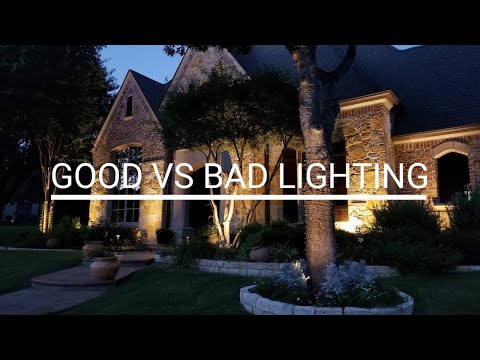
Ground-mounted uplights shine upward to accentuate trees, statues, and architectural textures. This technique, often called “uplighting,” adds drama and creates focal points that make your home stand out from the street. Spotlights with adjustable heads give you flexibility to target specific features precisely.
4. String Lights and Pendants for Outdoor Living
For patios, decks, and pergolas, string lights and outdoor pendants create an inviting gathering space. Modern weather-rated options mimic the look of café lights or industrial filament bulbs, adding warmth and charm to outdoor entertaining areas.
Best Practices for Exterior Lighting Placement
Placement is where most DIY exterior lighting projects go wrong. A poorly positioned light can create harsh shadows, blind drivers, or waste energy by illuminating the sky instead of your home. Follow these expert placement strategies to get the best results.

- Start at the front door. The entrance is the focal point of your home’s exterior. Use symmetrical sconces flanking the door and a header light above to create a clear, welcoming beacon for guests.
- Layer your light sources. Avoid relying on a single overhead light. Combine ambient lighting (general glow), task lighting (for specific activities like reading on the porch), and accent lighting (to highlight features) for a balanced, professional look.
- Aim for 30-degree angles on uplights. Placing a ground light about two to three feet from the base of a tree or wall and angling it upward at roughly 30 degrees produces the most natural, flattering wash of light.
- Keep path lights spaced evenly. A good rule of thumb is 6 to 8 feet apart for path lights along walkways. This ensures consistent visibility without creating harsh pools of light between fixtures.
- Direct lights downward where possible. Fixtures that aim light upward contribute to light pollution and waste energy. Use fully shielded or cutoff-style fixtures to direct illumination where it is needed.
Energy-Efficient Lighting Solutions for the Outdoors
Energy efficiency is no longer a compromise in outdoor lighting. Modern technology allows homeowners to achieve beautiful, powerful illumination while keeping electricity bills low. Here is a comparison of the most common outdoor bulb types and what they mean for your wallet and the environment.
| Bulb Type | Lifespan | Energy Use | Color Range | Best For |
| LED | 15,000-50,000 hours | Very low (7-15W) | Warm to cool | All outdoor applications |
| Halogen | 2,000-6,000 hours | Moderate (30-50W) | Warm white | Accent and landscape lighting |
| CFL | 8,000-15,000 hours | Low (9-20W) | Limited range | Patio string lights (declining use) |
| Incandescent | 1,000-2,000 hours | High (40-100W) | Warm glow | Aesthetic vintage look only |
LED fixtures dominate the outdoor lighting market today, and for good reason. They consume up to 80 percent less energy than traditional incandescent bulbs, last decades longer, and are available in a wide range of color temperatures from warm 2700K amber to crisp 5000K daylight. Solar-powered LED options are also gaining popularity for pathways and garden beds, eliminating wiring costs entirely. When replacing bulbs or choosing new fixtures, always check the IP rating (Ingress Protection) to ensure the fixture is rated for outdoor exposure. An IP65 rating means the fixture is fully dust-proof and protected against water jets, making it suitable for exposed outdoor locations.
Smart Lighting Integration
Smart outdoor lighting systems allow you to control brightness, schedules, and color temperature from a smartphone or voice assistant. Brands like Philips Hue Outdoor, Ring Smart Lighting, and Lutron Caseta offer weather-resistant fixtures that integrate with existing smart home ecosystems. Motion sensors, dusk-to-dawn timers, and geofencing automation ensure your lights turn on exactly when needed and nothing more, maximizing both convenience and energy savings.
Common Exterior Lighting Mistakes Homeowners Make

Even well-intentioned lighting projects can backfire if you fall into these common traps:
- Over-lighting the roof. Pointing multiple fixtures at your roof creates a “flying saucer” effect that wastes light and looks unnatural. Keep the emphasis on walls, pathways, and landscaping instead.
- Ignoring color temperature consistency. Mixing warm 2700K bulbs with cool 5000K bulbs across your exterior creates a disjointed, chaotic look. Stick to one color temperature (or at most two closely related ones) for a cohesive appearance.
- Skipping dimmers. Dimmers give you control over mood and brightness, extending bulb life and reducing energy consumption. Many modern outdoor fixtures are dimmer-compatible, but always verify this before purchasing.
- Choosing fixtures solely on price. Cheap outdoor fixtures often use thin metals and plastic lenses that degrade quickly under UV exposure and weather. Investing in quality fixtures made from aluminum, stainless steel, or powder-coated brass pays off in durability and appearance over time.
- Neglecting maintenance. Outdoor fixtures accumulate dirt, insects, and moisture, which significantly reduces light output. Clean fixtures annually and replace any cloudy or cracked lenses immediately.
Exterior House Lighting Tips: Quick Reference Guide
Here is a quick-reference summary of the most actionable exterior lighting tips to keep handy:
- Use warm white bulbs (2700K-3000K) for a classic, inviting look on house exteriors.
- Install motion-sensor lights near garages, side gates, and dark corners for security.
- Use low-voltage LED systems for landscape and garden lighting to reduce energy costs.
- Layer ambient, task, and accent lighting for a professional, multi-dimensional effect.
- Always choose weather-rated fixtures (minimum IP44 for covered areas, IP65 for exposed locations).
- Consider solar path lights for areas where running electrical wiring is impractical.
- Install dimmers on all exterior circuits to control brightness and extend bulb lifespan.
- Coordinate fixture styles with your home’s architectural period (modern, colonial, farmhouse, etc.) for a tailored look.
FAQs: Long-Tail Keywords for Exterior House Lighting
What is the best color temperature for exterior house lighting?
Most exterior house design experts recommend a color temperature between 2700K and 3000K for a warm, inviting glow that complements traditional and modern home exteriors. For contemporary homes with cooler tones, 3500K to 4000K can work well, but avoid anything above 5000K for the main house illumination, as it creates a harsh, clinical feel that most residential streets lack.
How many exterior lights do I need for my home?
A general guideline is to use one fixture for every 100 to 150 square feet of illuminated area. For a typical two-story home, this translates to roughly four to six pathway lights, two to four wall sconces or flood lights for entry and garage areas, and four to eight uplights for landscaping accents. However, the exact number depends on your home’s size, layout, and your specific aesthetic goals.
Can I use smart lights for outdoor house lighting?
Absolutely. Many smart lighting brands now offer weather-resistant outdoor fixtures with Wi-Fi or Zigbee connectivity. Smart lights allow you to schedule on/off times, adjust brightness remotely, integrate with security cameras, and set automated scenes for different occasions. Look for fixtures rated IP65 or higher for full outdoor durability.
What is the best exterior lighting for security?
Motion-activated LED flood lights with a wide beam angle (90 to 120 degrees) and a daylight color temperature (4000K to 5000K) are the most effective for deterring intruders. Install them at entry points, near side doors, and along dark fencing lines. Pairing motion-activated lights with smart cameras creates a layered security approach that is both practical and effective.
How do I choose the right outdoor light fixtures for my home style?
Match your fixtures to your home’s architectural style for the most cohesive result. Traditional or colonial homes look best with classic lantern-style sconces and oil-rubbed bronze or black finishes. Modern homes pair well with sleek, geometric fixtures in matte black, brushed nickel, or warm brass. Farmhouse and cottage-style homes benefit from rustic wrought iron fixtures with frosted glass. When in doubt, timeless designs in neutral finishes always work across styles.
Conclusion
Exterior house lighting is far more than a simple afterthought. It is a powerful tool that enhances beauty, improves safety, deters intruders, and even increases property value. By selecting the right fixture types, placing lights strategically, choosing energy-efficient LED technology, and avoiding common pitfalls, you can create an outdoor lighting scheme that looks professional and functions beautifully every night. Whether you are just starting with a single porch upgrade or planning a whole-home lighting overhaul, the tips and strategies in this guide will help you make informed decisions that deliver lasting results. Start with one area, refine your approach, and expand from there. The difference will be visible the moment you flip the switch.