


Bluetooth lights have revolutionized the way we illuminate and transform our living spaces, offering an unmatched blend of wireless convenience, vibrant color control, and smart automation. Whether you are upgrading a bedroom setup, creating an ambient atmosphere for a home theater, or looking for energy-efficient lighting solutions, Bluetooth-enabled lighting gives you the power to customize everything right from your smartphone or tablet. In this comprehensive guide, we dive deep into everything you need to know about Bluetooth lights — from how they work and the different types available, to expert buying tips and answers to frequently asked questions that even seasoned buyers often overlook.
What Are Bluetooth Lights?
Bluetooth lights are wireless LED lighting fixtures that connect directly to your mobile device using Bluetooth technology, eliminating the need for a Wi-Fi hub or dedicated smart home bridge. Unlike traditional smart bulbs that require a stable internet connection to function, Bluetooth lights establish a direct, low-energy wireless link between the light and your device, typically within a range of 30 to 100 feet. This makes them an excellent choice for renters, apartment dwellers, or anyone who wants a quick, hassle-free smart lighting setup without investing in additional networking equipment.
How Bluetooth Lighting Technology Works
At the core of every Bluetooth light is a built-in chip that supports Bluetooth Low Energy (BLE) or Bluetooth Classic protocols. When you pair the light with your smartphone through an accompanying app, the device sends wireless signals that control brightness, color temperature, and RGB color mixing. Advanced models support mesh networking, which means multiple Bluetooth lights can communicate with each other to create synchronized lighting scenes across an entire room or building. This peer-to-peer architecture is what gives Bluetooth lights their reputation for fast response times and reliable offline performance.
Types of Bluetooth Lights Available on the Market
The Bluetooth lighting market has exploded in recent years, and manufacturers now offer a wide variety of products tailored to different needs and aesthetics. Here are the most popular categories:
- Bluetooth Smart Bulbs: These screw-in replacements for standard light sockets offer full RGB color control and tunable white temperature, making them ideal for bedrooms, living rooms, and accent lighting.
- Bluetooth LED Strip Lights: Flexible adhesive-backed strips that can be mounted behind TVs, under cabinets, or along headboards. They are hugely popular for accent lighting and mood enhancement.
- Bluetooth Floor and Table Lamps: Standalone fixtures with built-in Bluetooth receivers that double as decorative pieces and functional light sources.
- Bluetooth Fairy Lights and String Lights: Lightweight, decorative strands perfect for weddings, parties, seasonal décor, and cozy bedroom ambiance.
- Bluetooth Spotlights and Floodlights: Higher-lumen outdoor or security-focused Bluetooth lights that offer motion detection and color-changing capabilities.
Key Benefits of Bluetooth Lights
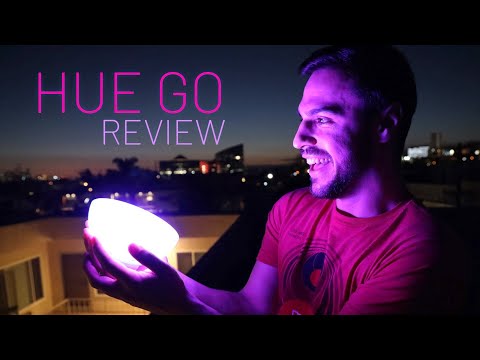
Understanding why Bluetooth lights have gained such rapid popularity requires looking beyond the basic novelty of app-controlled lighting. Here are the standout advantages:
- Easy Setup with No Hub Required: You simply download the companion app, pair the light, and you are ready to go. There is no need for a separate bridge or router configuration.
- Offline Reliability: Because Bluetooth lights do not depend on an internet connection, they continue to work even if your Wi-Fi goes down. This ensures consistent control and uninterrupted operation.
- Low Energy Consumption: Most Bluetooth LED lights consume a fraction of the electricity compared to incandescent or halogen bulbs, translating into significant long-term savings on your energy bill.
- Customizable Scenes and Schedules: Modern Bluetooth lighting apps let you create personalized scenes — such as “Relax,” “Focus,” or “Party” — and schedule them to activate at specific times of the day.
- Compact and Portable: Many Bluetooth lights are lightweight and battery-powered, making them perfect for camping trips, dorm rooms, or temporary event setups.
- Seamless Integration with Voice Assistants: Many Bluetooth lights now integrate with Alexa, Google Assistant, and Siri, allowing you to control your lighting with simple voice commands.
Bluetooth Lights vs. Wi-Fi Smart Lights: A Detailed Comparison
One of the most common questions shoppers ask is whether they should choose Bluetooth lights or Wi-Fi-connected smart lights. While both offer wireless control, they differ significantly in range, scalability, and use case.
| Feature | Bluetooth Lights | Wi-Fi Smart Lights |
| Connection Range | 30–100 feet | Unlimited (internet-dependent) |
| Hub Requirement | None | None (but router required) |
| Offline Functionality | Yes | No |
| Scalability | Limited (typically 7–10 devices) | High (entire home network) |
| Latency / Response Time | Very fast | Slightly slower |
| Price Point | Generally lower | Varies widely |
| Best For | Small spaces, renters, offline use | Whole-home automation |
The table above makes it clear that Bluetooth lights excel in simplicity, speed, and offline reliability, while Wi-Fi lights shine when you need whole-home coverage and cloud-based automation. For most individual rooms or small apartments, Bluetooth lights offer the perfect balance of performance and ease of use.
Expert Tips for Choosing the Best Bluetooth Lights
Not all Bluetooth lights are created equal, and making the right choice requires considering a few critical factors before you hit “Add to Cart.”
1. Check the Bluetooth Version
Look for lights that support Bluetooth 5.0 or newer, as these offer significantly improved range, faster pairing, and better power efficiency compared to older Bluetooth 4.2 or earlier versions. Bluetooth 5.0 also supports mesh networking, which opens the door to controlling multiple lights simultaneously from a single app.
2. Prioritize Color Accuracy and CRI
If you care about lighting quality for reading, working, or photography, check the Color Rendering Index (CRI) of the Bluetooth light. A CRI of 90 or above ensures that colors appear natural and true to life, which is especially important in home offices and art studios.
3. Evaluate App Quality and Ecosystem
The companion app is just as important as the hardware itself. Look for apps that offer intuitive interfaces, firmware update support, scene customization, and scheduling features. Some brands also allow integration with third-party smart home platforms, which future-proofs your investment.
4. Consider Brightness and Lumen Output
Brightness needs vary by room. A bedroom ambient light might only need 400–600 lumens, while a workspace or kitchen area requires 800–1,200 lumens or more. Always check the lumen rating before purchasing to ensure the light meets your specific needs.

5. Look for Music Sync and Sound-Reactive Features
Many premium Bluetooth LED strip lights and bulbs now include built-in microphones or audio-reactive modes that synchronize the light colors with the rhythm of your music. This is a fantastic feature for parties, gaming setups, and immersive entertainment environments.
Common Use Cases for Bluetooth Lights
The versatility of Bluetooth lights means they fit seamlessly into a variety of environments and scenarios:
- Bedroom Ambiance: Use tunable white Bluetooth bulbs to shift from cool, energizing light in the morning to warm, relaxing tones in the evening, supporting your natural circadian rhythm.
- Home Office Productivity: Set up a Bluetooth LED desk lamp with adjustable brightness and color temperature to reduce eye strain during long work sessions.
- Home Theater and Gaming: RGB Bluetooth LED strips behind your TV or monitor create a cinematic glow that enhances immersion during movies and gaming sessions.
- Outdoor and Garden Décor: Weather-resistant Bluetooth string lights and spotlights add charm and safety to patios, decks, and garden pathways.
- Event and Party Lighting: Portable Bluetooth lights with music sync and dynamic color-changing modes transform any venue into a vibrant celebration space.
Maintenance and Longevity of Bluetooth Lights
One of the most underrated advantages of Bluetooth LED lights is their impressive lifespan. Most quality Bluetooth LED bulbs and strips last between 25,000 and 50,000 hours, which translates to roughly 10–15 years of typical household use. To maximize longevity, avoid exposing the lights to excessive moisture unless they are rated as waterproof, and keep firmware updated through the companion app to ensure optimal performance and security patches.
Frequently Asked Questions (FAQs)
1. Can I control Bluetooth lights without an internet connection?
Yes. Bluetooth lights operate on a direct device-to-device connection, meaning you can control them entirely offline as long as your smartphone or tablet has Bluetooth enabled. This is one of their biggest advantages over Wi-Fi-dependent smart lights.
2. What is the maximum range for Bluetooth light control?
Most Bluetooth lights work reliably within a 30 to 100-foot range, depending on the Bluetooth version and the environment. Bluetooth 5.0 models can push this range even further, especially when supported by mesh networking capabilities.
3. Are Bluetooth lights compatible with voice assistants like Alexa and Google Home?
Many modern Bluetooth lights now include native integration with Alexa, Google Assistant, and Apple HomeKit. However, some may require a bridge or hub for voice control, so always check the product specifications before purchasing if voice control is important to you.
4. Do Bluetooth lights consume a lot of electricity?
Not at all. Bluetooth LED lights are extremely energy-efficient, typically consuming between 5 and 12 watts depending on brightness and color settings. Over time, this can result in significant savings compared to traditional incandescent lighting.
5. Can I connect multiple Bluetooth lights together for synchronized lighting?
Absolutely. Many Bluetooth lighting ecosystems support group control, allowing you to connect multiple bulbs, strips, or lamps and control them simultaneously from a single app. Mesh-capable models take this even further by allowing each light to relay signals to extend the network range.
6. What should I look for in a Bluetooth light for a bedroom?
For a bedroom, prioritize Bluetooth lights with tunable white temperature, a warm color palette for evening relaxation, a high CRI rating for comfort, and a companion app that supports scheduling and gradual dimming to help you wind down naturally before sleep.
Conclusion
Bluetooth lights represent one of the most accessible and practical entry points into the world of smart lighting. They combine ease of installation, offline reliability, vibrant color control, and energy efficiency into a package that suits virtually every budget and living situation. Whether you are a beginner looking to add a touch of color to your bedroom or an advanced user building a multi-room lighting ecosystem, the right Bluetooth light setup can transform not just your space, but your daily experience within it. Invest in quality products, choose the right type for your needs, and enjoy the freedom of lighting that responds to you — wirelessly, instantly, and beautifully.