


Design lighting for home spaces is one of the most transformative yet overlooked elements of interior decoration. The way you illuminate your rooms affects everything from mood and productivity to the perceived size of your living areas. Whether you are renovating an entire house or simply looking to refresh a single room, understanding the principles of home lighting design can elevate your space from ordinary to extraordinary. This comprehensive guide walks you through every aspect of creating a layered, functional, and aesthetically pleasing lighting plan that works for real life, not just for show.
Understanding the Fundamentals of Home Lighting Design
Before purchasing a single fixture, it helps to understand that effective interior lighting design relies on layering. Professional lighting designers rarely depend on one type of light source in a room. Instead, they combine ambient lighting, task lighting, and accent lighting to create depth, balance, and visual interest. Each layer serves a distinct purpose, and when used together, they transform a flat, poorly lit space into a dynamic environment that adapts to different activities throughout the day.
The Three Layers of Light
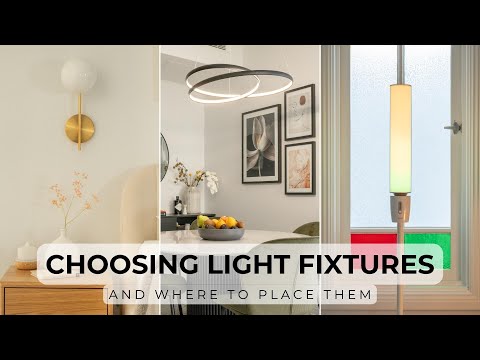
Every successful lighting scheme rests on three foundational layers:
- Ambient Lighting — Also known as general lighting, this is the baseline illumination that fills a room. Think ceiling-mounted fixtures, recessed downlights, or large pendant lamps. Ambient light ensures safe navigation and sets the overall tone of a space.
- Task Lighting — This targeted light supports specific activities such as reading, cooking, or working at a desk. Examples include under-cabinet kitchen lights, reading lamps beside beds, and vanity lights in bathrooms.
- Accent Lighting — Accent lighting creates visual drama by highlighting architectural features, artwork, or textured walls. Track lighting, wall sconces, and LED strip lights fall into this category.
The magic happens when all three layers work in harmony. A living room with only overhead ambient light feels flat and sterile, while the same room enriched with a floor lamp for reading and picture lights above artwork suddenly feels curated and inviting.
Choosing the Right Lighting Fixtures for Each Room
Every room in your home has unique lighting demands. Below are practical recommendations tailored to the most common living spaces.
Living Room Lighting Design
The living room is typically the most used space in a home, so it needs flexible lighting. A combination of a statement ceiling fixture for ambient light, floor lamps near seating areas for task light, and picture lights or LED strips for accent interest creates a versatile environment. Dimmers are essential here, allowing you to shift from bright, social gatherings to soft, cinematic evenings.
Kitchen and Dining Room Lighting
In the kitchen, task lighting is non-negotiable. Install LED strips or puck lights under upper cabinets to illuminate countertops where you chop, measure, and cook. Over the dining table, a multi-light pendant fixture provides even illumination across the table surface while serving as a visual centerpiece. Consider using a separate dimmer for the dining area so you can control brightness for both everyday meals and dinner parties.
Bedroom Lighting Strategies
Bedrooms benefit from warm, low-level lighting that promotes relaxation. Wall-mounted sconces flanking the bed eliminate the need for harsh overhead light during late-night reading. A recessed dimmable ceiling light or a soft chandelier serves as the ambient source. Avoid placing bright lights directly above the bed, as this creates an uncomfortable glare and disrupts sleep patterns.
Bathroom Lighting Design
Vanity lighting is the most critical element in bathroom illumination. Mount fixtures on both sides of the mirror rather than above it to minimize facial shadows. Choose bulbs rated for damp locations and aim for a color temperature between 2700K and 3000K for a flattering, warm glow.
Color Temperature and Its Impact on Home Atmosphere
One of the most misunderstood aspects of home lighting design is color temperature, measured in Kelvin (K). The wrong color temperature can make even the most beautifully decorated room feel uncomfortable.
| Lighting Type | Kelvin Range | Best Used In | Mood Effect |
| Warm White | 2200K – 2700K | Bedrooms, living rooms, dining rooms | Relaxing, intimate, cozy |
| Neutral White | 3000K – 3500K | Kitchens, bathrooms, hallways | Balanced, clean, welcoming |
| Cool White | 4000K – 5000K | Home offices, garages, workshops | Alert, focused, energizing |
| Daylight | 5000K – 6500K | Craft rooms, reading nooks | Sharp, natural, clinical |
For most residential interiors, staying within the 2200K to 3000K range ensures a comfortable, inviting atmosphere. Cool white and daylight temperatures are better suited for task-heavy environments where alertness matters, such as home offices or craft rooms.

Smart Lighting Systems and Modern Trends
Smart home lighting has evolved from a novelty into a practical necessity. Modern systems from brands like Philips Hue, Lutron, and LIFX allow you to control brightness, color temperature, and even color from your smartphone or voice assistant. These systems support scheduling, scenes, and automation, meaning your lighting can adjust automatically based on time of day or activity.
Some of the most popular trends in contemporary home lighting design include:
- Linear LED fixtures — Long, sleek light bars that replace traditional recessed cans, offering a more modern aesthetic with uniform light distribution.
- Tunable white technology — Fixtures that shift color temperature throughout the day, mimicking natural sunlight patterns to support circadian rhythms.
- Indirect lighting — Cove lighting and uplighters that bounce light off ceilings and walls, creating a soft, diffused glow without visible light sources.
- Statement pendants — Oversized sculptural fixtures that double as room-defining art pieces while providing functional illumination.
Investing in a smart lighting hub gives you the ability to customize scenes like “movie night,” “dinner party,” or “morning routine” with a single tap, making your home lighting design truly adaptive to your lifestyle.
Energy-Efficient Lighting Solutions
Efficiency does not mean sacrificing style. LED technology has advanced dramatically, and today’s LED bulbs rival incandescent and halogen lights in warmth, dimmability, and color rendering. Here are some practical energy-saving strategies:
- Replace all bulbs with LEDs — LEDs use up to 80% less energy than traditional incandescent bulbs and last 15 to 25 times longer.
- Install dimmers everywhere — Dimming a light by just 10% can extend bulb life by up to 200% while reducing energy consumption.
- Use motion sensors in low-traffic areas — Hallways, garages, and laundry rooms benefit from occupancy sensors that automatically turn lights off when rooms are empty.
- Choose fixtures with high CRI ratings — Color Rendering Index (CRI) measures how accurately light reveals the true colors of objects. Aim for a CRI of 90 or above in living spaces for the most natural and flattering light.
These steps not only reduce your electricity bills but also shrink your home’s carbon footprint, making sustainable design lighting for home a win on every level.
Common Design Lighting Mistakes to Avoid

Even well-intentioned homeowners make lighting errors that undermine the entire interior design. Watch out for these common pitfalls:
- Using a single overhead light source — This creates harsh shadows, unflattering glare, and a cave-like atmosphere. Always layer your lighting.
- Ignoring dimmers — Fixed-brightness fixtures remove your ability to adapt the room for different times of day and activities.
- Mismatched color temperatures — Mixing warm 2200K bulbs with cool 4000K bulbs in the same room creates visual tension and a disjointed feel.
- Underestimating the number of light sources — Most rooms need at least three to five separate light points to feel properly illuminated and visually balanced.
- Placing all lights at the center of the room — Distribute fixtures across the space to eliminate dark corners and create even illumination.
Avoiding these mistakes alone will put your home lighting design ahead of the majority of residential interiors.
Conclusion
Design lighting for home is far more than choosing pretty fixtures. It is a deliberate process that combines art, science, and practicality to shape how you experience your living spaces every day. By understanding the three layers of light, selecting the right fixtures for each room, choosing appropriate color temperatures, embracing smart technology, and avoiding common pitfalls, you can create a home that feels effortlessly beautiful and perfectly functional. Start with one room, experiment with layering, and watch how the right lighting transforms not just your space, but your daily quality of life.
Frequently Asked Questions
What is the best color temperature for living room lighting design?
Most interior lighting design experts recommend a warm white range between 2700K and 3000K for living rooms. This temperature creates a cozy, inviting atmosphere ideal for relaxation and socializing while still providing enough clarity for everyday activities like reading or watching television.
How many light sources should a well-designed room have?
Aim for a minimum of three to five distinct light sources per room. This ensures adequate coverage, eliminates harsh shadows, and allows you to create layered lighting that adapts to different moods and functions throughout the day.
Can I mix different lighting color temperatures in the same home?
Yes, but it is best to keep the color temperature consistent within each room. You can use cooler temperatures (3500K–4000K) in task-oriented areas like kitchens and home offices, while keeping warmer temperatures (2200K–3000K) in relaxation spaces like bedrooms and living rooms. The key is to avoid mixing two significantly different temperatures within the same room.
What is the best smart lighting system for beginners?
Philips Hue is widely regarded as the most beginner-friendly smart lighting system. It offers an intuitive app, extensive compatibility with voice assistants like Alexa, Google Assistant, and Apple HomeKit, and a wide range of fixtures and bulbs that integrate seamlessly into any home lighting design without requiring professional installation.
How do I choose the right size pendant light for my dining table?
A general rule in lighting design for home dining spaces is to select a pendant that is approximately one-third the width of your dining table. The bottom of the fixture should hang about 30 to 36 inches above the table surface, ensuring adequate clearance for conversation and comfortable visibility during meals.