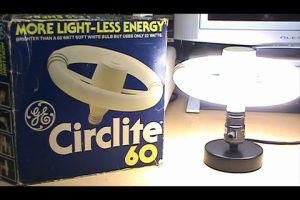
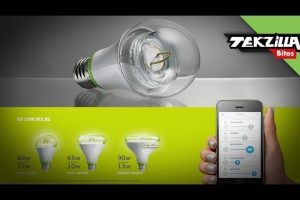
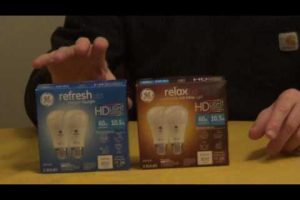
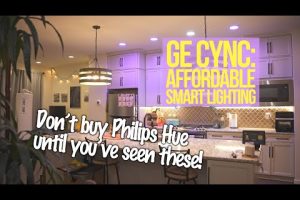
When you walk into a home improvement store or browse online for illumination solutions, the name GE almost always appears on the shelf. GE light bulbs have powered households and businesses for over a century, and today they remain one of the most trusted names in the lighting industry. Whether you are upgrading a dim kitchen, installing smart-ready fixtures, or simply replacing a burned-out bulb in your living room, understanding what GE has to offer can save you time, money, and frustration. This guide breaks down everything you need to know about GE bulbs — from their different types and features to practical buying tips that even seasoned homeowners will appreciate.
Why GE Light Bulbs Continue to Dominate the Market
General Electric’s lighting division has been shaping how the world sees since the early 1900s. Their legacy in bulb technology means decades of research, manufacturing expertise, and consumer trust are baked into every product. Unlike lesser-known brands that often cut corners on materials or consistency, GE invests heavily in quality control, energy efficiency standards, and smart-home compatibility. When you buy a GE bulb, you are investing in reliability backed by a globally recognized brand with extensive warranty support and customer service infrastructure.
Another reason GE bulbs maintain their market position is the sheer variety of options available. From budget-friendly basic models to premium connected lighting solutions, there is a GE bulb designed for nearly every application. The company consistently adapts to shifting consumer preferences, which is why their LED lineup now dominates their product catalog while still offering niche options for vintage aesthetics and specialty fixtures.
Types of GE Light Bulbs You Should Know About
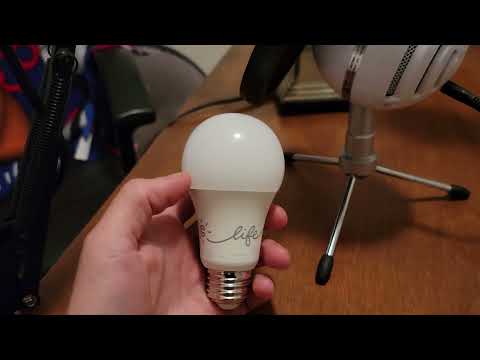
The modern GE product lineup spans several distinct categories, each engineered for specific use cases. Knowing which type fits your needs is the first step toward making a smart purchase.
GE LED Bulbs
LED technology is the heart of GE’s current lighting portfolio. These bulbs use significantly less energy than older alternatives and last dramatically longer. A typical GE LED bulb consumes between 7 and 12 watts while producing the equivalent brightness of a 60-watt incandescent. The GE LED lineup includes options ranging from soft warm white to crisp daylight temperatures, making them suitable for any room in your home.
Key features of GE LED bulbs include:
- Lifespans rated up to 15,000 hours or more
- Instant full brightness — no warm-up period
- Dimmable and non-dimmable variants for flexible installation
- ENERGY STAR certification on most models
- Smart compatibility with Amazon Alexa, Google Assistant, and Apple HomeKit on select lines
GE CFL Bulbs
Compact fluorescent lamps, or CFLs, represent GE’s transitional technology between legacy incandescent bulbs and modern LEDs. While they have largely been overtaken by LEDs in consumer popularity, GE CFL bulbs still serve a purpose — particularly in fixtures where heat dissipation is a concern or where upfront cost matters more than long-term savings. CFLs typically last around 10,000 hours and use roughly 75% less energy than incandescent alternatives.
GE Incandescent and Halogen Bulbs
For consumers who prefer the warm, familiar glow of traditional filament bulbs, GE still manufactures incandescent and halogen options. These are commonly used in decorative fixtures, oven lights, and vintage-style chandelier installations. Halogen bulbs, in particular, offer a slightly whiter light and better energy efficiency than standard incandescents while maintaining that classic aesthetic.
How to Choose the Right GE Light Bulb for Your Needs
Selecting the correct bulb involves more than just picking the cheapest option on the shelf. Several factors determine whether a bulb will work well in your space.
- Brightness (Lumens): Forget watts — lumens measure actual light output. For general room lighting, aim for 800 lumens (equivalent to a 60W incandescent). For task lighting like under-cabinet kitchen fixtures, look for 1,100 lumens or higher.
- Color Temperature (Kelvin): GE bulbs are available in 2700K (warm white), 3000K (soft white), 4000K (neutral white), and 5000K+ (daylight). Warm whites create a cozy atmosphere in bedrooms, while daylight bulbs suit offices and bathrooms where clarity matters.
- Shape and Base Type: GE offers A19, BR30, PAR38, candelabra, and globe shapes, among others. Match the bulb shape to your fixture’s design and the base type (E26 standard or E12 candelabra) to your socket.
- Dimmability: Not all GE bulbs work with dimmer switches. Check the packaging for a dimmable rating, and pair dimmable bulbs with compatible dimmer switches to avoid flickering.
- Smart Features: If you are building a smart home ecosystem, GE offers Wi-Fi and Zigbee-enabled bulbs that integrate with major platforms. These allow scheduling, color changing, and voice control.
GE Light Bulb Comparison — Quick Reference Table
Use the table below to compare the most popular GE bulb categories at a glance:
| Bulb Type | Avg. Wattage | Lumens | Lifespan | Best For |
| GE LED A19 | 9W | 800 | 15,000 hrs | General room lighting |
| GE LED BR30 | 10W | 900 | 15,000 hrs | Recessed can lights |
| GE CFL Spiral | 13W | 800 | 10,000 hrs | Budget-conscious retrofits |
| GE Halogen | 43W | 500 | 2,000 hrs | Vintage decor, ovens |
| GE Smart LED | 8W | 800 | 15,000 hrs | Smart home integration |
Expert Tips for Maximizing Your GE Bulb Investment
Even the best bulbs perform poorly if they are installed incorrectly or used outside their intended parameters. Here are some professional recommendations that elevate your lighting experience:
- Match bulbs to enclosed fixtures carefully: Some GE LED bulbs are specifically rated for enclosed fixtures, while others lose lifespan due to trapped heat. Always check the packaging for fixture compatibility ratings.
- Buy in bulk for hard-to-reach places: Recessed lighting, vaulted ceilings, and outdoor sconces are inconvenient to access. Stock up on GE LED bulbs for these locations since their long lifespan reduces replacement frequency.
- Use color temperature strategically: Place warm white bulbs (2700K) in living rooms and bedrooms for relaxation, and cooler daylight bulbs (4000K–5000K) in kitchens, garages, and study areas where focus and visibility are priorities.
- Check for ENERGY STAR rebates: Many utility companies offer rebates on ENERGY STAR certified GE bulbs, which can cut your effective cost by 30–50%.
- Avoid mixing bulb types on the same dimmer: Combining dimmable and non-dimmable bulbs, or LED with incandescent, on a single circuit can cause inconsistent performance and premature bulb failure.
Frequently Asked Questions About GE Light Bulbs
What makes GE LED bulbs different from other LED brands?
GE LED bulbs stand out because of their rigorous quality testing, consistent color rendering (high CRI ratings), and reliable dimming performance. While many LED brands cut costs on components, GE maintains tighter standards for heat management and driver circuitry, which directly impacts bulb longevity and light quality. Their warranty support and widespread availability also give them a practical edge over generic alternatives.
Are GE light bulbs compatible with smart home systems?
Yes. GE offers a dedicated smart lighting line that works with Amazon Alexa, Google Home, Samsung SmartThings, and Apple HomeKit, depending on the specific model. These smart GE bulbs allow you to adjust brightness, change color temperature, and set schedules through a dedicated app or voice commands. The GE Cync line is their primary smart ecosystem brand, designed to integrate seamlessly with existing home automation platforms.
How long do GE LED light bulbs typically last?
Most GE LED bulbs are rated for approximately 15,000 hours of use, which translates to roughly 13–15 years of typical household use (assuming about 3 hours of daily operation). This is a massive improvement over traditional incandescent bulbs, which average around 1,000 hours, and even standard CFLs, which last approximately 10,000 hours. Actual lifespan can vary based on usage patterns, fixture ventilation, and whether the bulb is used on a compatible dimmer switch.
Can I replace a 60W incandescent bulb with a GE LED bulb?
Absolutely. A GE LED bulb rated at 800 lumens and 9 watts is a direct 1-for-1 replacement for a traditional 60-watt incandescent bulb. The LED will fit the same standard E26 socket and produce equivalent brightness while consuming about 85% less electricity. Always verify the lumen output matches your desired brightness level, since wattage no longer correlates to light output in LED technology.

Do GE light bulbs contain mercury like CFLs?
GE LED bulbs contain no mercury whatsoever, making them a safer and more environmentally friendly option compared to CFL bulbs, which do contain trace amounts of mercury vapor. If you are concerned about breakage and cleanup, LEDs are the clear choice. GE halogen and incandescent bulbs also contain no mercury, though they are less energy-efficient than LEDs.
Final Thoughts on GE Light Bulbs
GE light bulbs represent a smart blend of heritage and innovation. From their foundational role in electrifying the world to their current leadership in LED and smart lighting technology, GE continues to deliver products that balance performance, efficiency, and value. Whether you are a first-time homeowner replacing a few bulbs or a professional electrician outfitting an entire building, the GE lineup offers a solution for virtually every lighting scenario. By choosing the right type, color temperature, and feature set for each application, you can transform your living or working space into a brighter, more efficient environment that lasts for years to come.