


A caged ceiling fan with light represents one of the most practical and stylish ventilation solutions available for modern homes. Whether you are renovating a kitchen, upgrading a porch, or outfitting a sunroom, this combination fixture delivers both airflow and illumination from a single mounted unit. Unlike traditional open-blade fans, the protective cage encasing the blades adds a layer of safety while simultaneously contributing to the fixture’s visual character. In this comprehensive guide, we will walk you through everything you need to know about selecting, installing, and maintaining a caged ceiling fan with light, from blade materials and motor types to energy-saving features and room-specific recommendations that even seasoned homeowners appreciate.
What Is a Caged Ceiling Fan with Light?
A caged ceiling fan with light is a ceiling-mounted ventilation and lighting unit where the fan blades are enclosed within a protective metal or plastic grille, commonly referred to as a cage or guard. This design originated from the need to protect blades from dust, debris, and accidental contact, making it especially popular in garages, workshops, screened porches, and commercial spaces. Over the decades, manufacturers have transformed the caged design into a stylish residential option, blending industrial aesthetics with modern engineering. The integrated light kit—typically an LED array or a compact fluorescent module—eliminates the need for a separate overhead fixture, saving both installation time and ceiling space. These fans often come with reversible blades, adjustable speed settings, and remote control compatibility, making them versatile additions to virtually any room.
Key Benefits of Choosing a Caged Ceiling Fan with Light
Investing in a caged ceiling fan with light offers advantages that go well beyond simple air circulation. Let us break down the most compelling reasons homeowners and designers are choosing these fixtures at an increasing rate.
Enhanced Safety and Blade Protection
The enclosed cage physically prevents fingers, loose clothing, pets, and falling objects from making direct contact with spinning blades. This is especially valuable in households with young children, elderly residents, or pets that tend to jump near ceiling fixtures. The cage also shields the blades from dust accumulation and accidental impacts, reducing maintenance frequency and extending the lifespan of the fan components.
Combined Ventilation and Illumination
By integrating a light source directly into the fan housing, a caged ceiling fan with light eliminates the need for a separate pendant or flush-mount light. This dual-function approach simplifies room design, reduces wiring complexity, and creates a cleaner, more streamlined ceiling appearance. You get efficient air movement and dependable ambient lighting from one centralized fixture.
Energy Efficiency and Lower Utility Costs
Modern caged fans use DC or high-efficiency AC motors that consume a fraction of the electricity required by older models. Pairing a ceiling fan with an LED light kit means you are replacing both a ventilation unit and a light bulb with energy-efficient alternatives. Running a caged ceiling fan with light on a moderate setting can allow you to raise the thermostat by several degrees in summer, cutting air conditioning costs significantly.
Rustic and Industrial Aesthetic Appeal
The cage design brings a rugged, vintage charm that complements farmhouse, industrial, barn, and workshop-style interiors. Many manufacturers offer fans with aged brass, matte black, or brushed steel cages that serve as a visual focal point in the room. This aesthetic versatility means the fixture does more than function—it elevates the room’s décor.
Types of Caged Ceiling Fans with Light Available on the Market
Not all caged ceiling fans with light are created equal. Understanding the different categories helps you narrow down your options based on room requirements, climate, and design preferences.
- Standard Residential Caged Fans — Designed for indoor living spaces such as kitchens, dining rooms, and bedrooms. These typically feature flush-mount or downrod installations with reversible blades and a built-in LED or incandescent light kit.
- Outdoor and Wet-Rated Caged Fans — Built with corrosion-resistant materials and sealed motor housings, these are ideal for porches, patios, gazebos, and covered outdoor areas. They carry a wet or damp rating, meaning they can withstand moisture and UV exposure.
- Commercial-Grade Caged Fans — Heavy-duty construction with larger blade spans and more powerful motors. Commonly found in garages, warehouses, retail shops, and restaurants. Many include metal cages with industrial-grade finishes.
- Vintage and Antique-Style Caged Fans — Reproductions of classic designs from the early 20th century, featuring ornate cages, brass finishes, and warm Edison-style bulbs. These are highly sought after for restoration and heritage-style homes.
How to Choose the Right Caged Ceiling Fan with Light
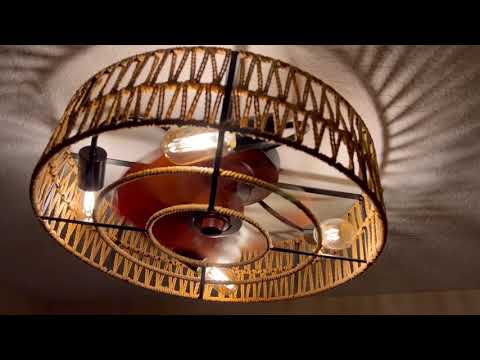
Selecting the ideal fixture requires evaluating several technical and aesthetic factors. Use the following guidelines to make a confident purchase.
Match Fan Blade Span to Room Size
Room size directly determines the optimal blade span for effective air circulation. A fan that is too small will struggle to move air efficiently, while an oversized unit in a small room creates uncomfortable drafts. Refer to the general sizing chart below.
| Room Size (sq. ft.) | Recommended Blade Span |
| Up to 100 sq. ft. | 36 inches |
| 100–200 sq. ft. | 42–44 inches |
| 200–400 sq. ft. | 50–54 inches |
| 400–600 sq. ft. | 56–60 inches |
Consider Blade Material and Motor Type
Blade materials include wood, plastic/composite, and metal. Wooden blades offer quieter operation and a warm appearance, while metal blades provide durability and a modern look. Brushless DC motors are the gold standard for quiet, energy-efficient performance—they consume as little as 4 to 15 watts on low settings and require minimal maintenance compared to conventional AC motors.
Evaluate Light Kit Brightness and Color Temperature
The integrated light on a caged ceiling fan with light should complement the room’s purpose. For task areas like kitchens, choose a brightness level of at least 3000 lumens with a cool white color temperature (4000K–5000K). For bedrooms and living rooms, warmer tones (2700K–3000K) create a relaxing atmosphere. Dimmable LED kits offer the most flexibility across different moods and occasions.
Top Features to Prioritize in a Caged Ceiling Fan with Light
When comparing models, pay close attention to the following features that distinguish premium units from budget options.
- Reversible blade pitch: Allows you to switch the fan direction seasonally—counterclockwise for summer downdraft and clockwise for winter updraft to recirculate warm air.
- Multiple speed settings: A minimum of three speeds ensures comfort across varying temperatures and preferences.
- Remote control or smart home integration: Many modern caged fans with light are compatible with smart switches, apps, and voice assistants like Alexa and Google Home.
- Energy Star certification: Guarantees the fan meets strict efficiency standards for airflow per watt.
- Quiet operation: Look for noise ratings below 3.0 sones for bedrooms and living areas.
- Easy blade removal: Quick-release blade hubs make cleaning and replacement effortless.
Installation Tips and Best Practices
Proper installation is critical for both performance and safety. Always turn off the power at the circuit breaker before beginning any wiring work. Use a fan-rated electrical box capable of supporting the dynamic weight and rotational force of the fixture—standard light fixture boxes are not designed for ceiling fans. If your ceiling height is less than eight feet, consider a flush-mount or low-profile caged ceiling fan with light to prevent the cage from hanging too low and posing a head-height hazard. For standard ceilings between eight and nine feet, a downrod mount positions the fan blades at an optimal height for airflow while keeping the cage well above head level. Tighten all mounting hardware securely and test the fan at each speed setting before finalizing the installation to check for wobble or unusual noise.
Caged vs. Uncaged Ceiling Fans: A Side-by-Side Comparison
Understanding the differences between caged and uncaged designs helps clarify which option suits your specific needs best.
| Feature | Caged Fan with Light | Uncaged Fan with Light |
| Blade Protection | Full cage enclosure | No protective cage |
| Safety Rating | Excellent for homes with children and pets | Moderate; blades exposed |
| Aesthetic Style | Industrial, rustic, vintage | Modern, minimalist, contemporary |
| Cleaning Effort | Lower; cage shields blades from dust | Higher; blades collect dust freely |
| Airflow Efficiency | Slightly reduced by cage design | Maximized; unobstructed blade rotation |
| Light Integration | Typically built-in | Often requires separate light kit |
| Best Use Cases | Garages, porches, workshops, kitchens | Bedrooms, living rooms, modern interiors |
Maintenance Tips to Extend the Life of Your Caged Ceiling Fan with Light
Regular maintenance keeps your caged ceiling fan with light running smoothly and looking its best. Dust the cage and blades with a microfiber cloth or a vacuum attachment every two weeks to prevent buildup that can unbalance the rotor. Lubricate the motor bearings annually if the manufacturer recommends it—many modern brushless motors are sealed and require no lubrication. Inspect the mounting bracket and screws every six months, tightening any that have loosened over time. Replace LED modules or bulbs as needed, and always use the wattage recommended by the manufacturer to avoid overheating the light housing. For outdoor units, inspect the cage and motor housing for rust or corrosion after heavy rain or winter exposure, and apply a rust-resistant primer if needed.

Frequently Asked Questions
Is a caged ceiling fan with light safe for bedrooms?
Yes, a caged ceiling fan with light is safe for bedrooms, especially those with lower ceiling heights or homes with children and pets. The protective cage prevents accidental contact with spinning blades, and modern models operate at whisper-quiet speeds suitable for sleeping environments.
Can I install a caged ceiling fan with light on a sloped ceiling?
Many caged fans include a sloped ceiling adapter or a universal mounting bracket that accommodates angled ceilings. Check the product specifications before purchasing to ensure compatibility with your ceiling pitch.
What is the ideal blade count for a caged ceiling fan with light?
Five-blade and six-blade configurations are the most common for caged fans. Five blades offer a balance of performance and quiet operation, while six blades provide slightly more airflow at the cost of marginally higher noise levels.
Are caged ceiling fans with light suitable for damp locations?
Wet-rated and damp-rated caged ceiling fans with light are specifically engineered for outdoor and semi-outdoor use. Always verify the product’s UL or ETL rating to confirm it is approved for the environment where you intend to install it.
How much does a quality caged ceiling fan with light cost?
Prices vary widely based on brand, motor type, and materials. Budget models range from $100 to $200, mid-range options from $200 to $450, and premium or vintage-style units from $450 to $900 or more. The added convenience and safety features of a cage design typically justify a moderate price premium over uncaged alternatives.
Conclusion
A caged ceiling fan with light is far more than a utilitarian fixture—it is a thoughtfully engineered combination of safety, efficiency, and design that enhances the comfort and functionality of any room. From the protective cage that keeps blades secure to the integrated light that illuminates your space with minimal energy consumption, every element of this fixture serves a purpose. By following the selection guidelines, installation best practices, and maintenance tips outlined in this article, you can confidently choose a caged ceiling fan with light that delivers years of reliable, quiet, and efficient performance. Whether your priority is industrial character, energy savings, or family safety, the right caged fan with light will exceed your expectations and become a standout feature in your home.