When you walk into a beautifully designed room, the lighting often plays the role nobody notices until it’s missing. Contemporary lighting fixtures have transformed from simple utility pieces into bold design statements that shape the mood, functionality, and aesthetic of every modern living space. Whether you are renovating a minimalist apartment, redesigning an open-plan loft, or simply looking to refresh your home’s atmosphere, understanding the landscape of modern light fixtures can make all the difference. This guide dives deep into the styles, materials, placement strategies, and selection tips that separate ordinary illumination from truly exceptional interior lighting design.
What Are Contemporary Lighting Fixtures?
Contemporary lighting refers to fixtures that reflect the design sensibilities of the present moment. Unlike traditional lighting, which often leans on ornate details and classic silhouettes, contemporary light fixtures embrace clean lines, geometric forms, and innovative materials. The term “contemporary” does not mean a fixed style—it is fluid, evolving with current trends while maintaining a distinct identity from mid-century modern or transitional aesthetics. Think sculptural pendant lights, asymmetrical floor lamps, and sleek recessed downlights that double as architectural elements.
The key characteristics that define modern lighting fixtures include asymmetry, negative space as a design feature, use of industrial and organic materials in unexpected combinations, and a deliberate emphasis on form following function. These fixtures are not just about brightness—they are about crafting ambiance, directing attention, and enhancing the spatial perception of a room.
Contemporary vs. Modern Lighting: What’s the Difference?
Many people use “modern” and “contemporary” interchangeably, but interior designers draw a meaningful distinction. Modern lighting fixtures emerged from the mid-20th century Bauhaus and Scandinavian movements, characterized by warm woods, tapered forms, and a nostalgic retro-futurism. Contemporary lighting, on the other hand, represents what is current and now—it draws from today’s technology, sustainable practices, and ever-shifting design trends. A chrome and glass chandelier with irregular geometric lines is contemporary; a Danish teak and brass floor lamp from the 1960s is modern.
Popular Types of Contemporary Lighting Fixtures

The range of contemporary ceiling lights, wall sconces, and floor lamps available today is staggering. Here are the most sought-after categories that dominate current interior design conversations:
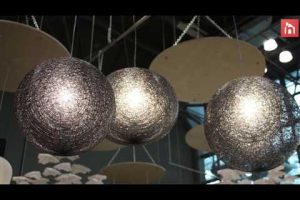
- Sculptural Pendants: Oversized or irregularly shaped pendant lights made from materials like hand-blown glass, hammered metal, or woven fibers. These serve as focal points above dining tables, kitchen islands, and entryways.
- Track and Rail Lighting Systems: Adjustable, modular systems that allow you to direct light where it matters most. Perfect for art galleries, open-concept kitchens, and commercial retail spaces.
- LED Linear Fixtures: Slim, minimalist light bars and strips that provide seamless ambient or task lighting. These are the backbone of contemporary office and residential design.
- Arc Floor Lamps: Dramatic sweeping curves that bridge large seating areas and add vertical interest to low-ceilinged rooms.
- Recessed and Trimless Downlights: Flush-mounted fixtures that create a clean, uninterrupted ceiling line—ideal for contemporary minimalist aesthetics.
- Smart Connected Fixtures: LED lights with built-in Wi-Fi or Bluetooth that adjust color temperature, brightness, and scheduling through smartphone apps or voice assistants.
Materials and Finishes That Define Contemporary Light Fixtures
The material palette of modern lighting fixtures has expanded dramatically in recent years. Designers now blend metals, natural elements, recycled composites, and advanced polymers to create pieces that feel both cutting-edge and tactile. The choice of material significantly affects light diffusion, color temperature output, and the overall visual weight of the fixture.
| Material | Best For | Aesthetic | Durability |
| Brushed Brass | Pendants, sconces, chandeliers | Warm, luxurious, muted glow | High; develops patina over time |
| Matte Black Steel | Track lights, floor lamps | Bold, industrial, grounding | Very high; scratch-resistant finishes |
| Hand-Blown Glass | Statement pendants, chandeliers | Organic, artisanal, luminous | Moderate; handle with care |
| Recycled Wood and Bamboo | Sconces, pendant shades | Warm, sustainable, textural | Moderate; requires humidity control |
| Concrete and Cement | Pendants, desk lamps | Rustic-meets-urban, raw texture | Very high; heavy but durable |
| Polycarbonate and Acrylic | Linear fixtures, diffusers | Futuristic, lightweight, translucent | High; UV-resistant options available |
When selecting finishes, consider how the fixture will interact with your existing palette. A matte black contemporary ceiling light pairs beautifully with warm white walls and natural wood furniture. Brushed nickel and gold-toned fixtures introduce warmth and sophistication into cooler, grey-toned interiors. The trend right now leans toward mixed finishes—combining brass with black, or concrete with brass—within a single fixture to create visual depth.
How to Choose the Right Contemporary Lighting for Your Space
Selecting the perfect modern lighting fixtures involves more than picking what looks good in a showroom. Your choice should be driven by room function, ceiling height, natural light availability, and your overall interior design scheme. Here is a practical framework to guide your decision:

- Assess the Room’s Purpose: A home office demands bright, focused task lighting—think adjustable LED desk lamps or linear suspended fixtures. A living room benefits from layered lighting that combines ambient, accent, and task sources.
- Consider Scale and Proportion: A tiny pendant in a large dining room will look lost and disproportionate. As a general rule, measure your table or floor space and choose a fixture that spans roughly one-half to two-thirds of that width.
- Account for Ceiling Height: Low ceilings work best with trimless recessed lights or slim flush-mount contemporary light fixtures. Vaulted or high ceilings can accommodate dramatic multi-tier chandeliers or long pendant drops.
- Layer Your Light Sources: The most sophisticated interiors use three layers—ambient (general fill), task (functional focus), and accent (highlighting art or architectural features). Contemporary lighting systems excel at layering because of their modular and adjustable nature.
- Match Your Electrical Setup: Before purchasing, verify that your ceiling boxes, junction points, and wiring can support the fixture’s weight and electrical load. Some oversized contemporary pendants require dedicated support braces.
Expert Tip: The 30-30-30 Rule for Contemporary Lighting Design
Interior lighting professionals often recommend dividing your lighting budget across three categories: 30% ambient fixtures (recessed lights, chandeliers), 30% task fixtures (under-cabinet lights, reading lamps), and 40% accent and decorative pieces (spotlights, sculptural pendants, LED strips). This ratio creates a balanced, dynamic illumination scheme that avoids the flat, shadowless look of over-ambiented rooms.
Installation and Styling Best Practices
Installing contemporary lighting fixtures requires attention to both technical details and aesthetic placement. Here are recommendations that elevate a standard installation into a professional-quality result:
- Always use a licensed electrician for hardwired fixtures, especially heavy pendants and large chandeliers that require junction box reinforcement.
- Install dimmer switches on every circuit that supports a contemporary light fixture. Dimmers unlock the full versatility of LED technology, allowing you to shift from bright task lighting to moody ambient glow with a single slide.
- Position pendant lights 28 to 34 inches above dining tables and 66 to 72 inches above floors for entryway fixtures—these measurements ensure comfortable clearance and optimal light distribution.
- Use warm white LEDs (2700K to 3000K) for living spaces and bedrooms, and cool white (3500K to 4000K) for kitchens, bathrooms, and home offices.
- Clean fixtures regularly with appropriate materials—microfiber cloths for glass, soft brushes for textured metals—to maintain their visual impact over time.
Frequently Asked Questions
What are the best contemporary lighting fixtures for small apartments?
For compact living spaces, prioritize flush-mount contemporary ceiling lights, slim LED linear fixtures, and wall-mounted sconces that free up floor space. Avoid oversized chandeliers and bulky floor lamps that create visual clutter. A single sculptural pendant with an adjustable arm can serve as both ambient light and a design centerpiece without consuming precious square footage.
How do I incorporate smart lighting into my contemporary light fixture setup?
Many modern lighting fixtures now come with integrated smart technology from brands like Philips Hue, Lutron, and LIFX. You can retrofit smart bulbs into compatible contemporary fixtures, or invest in smart switches that work with any LED installation. Look for fixtures that support Zigbee, Wi-Fi, or Matter protocols for seamless integration with voice assistants and home automation systems.
What color temperature works best for contemporary interior design?
Contemporary interior design typically favors warm white light in the range of 2700K to 3000K for living areas and bedrooms, as it enhances the natural textures of materials like wood, concrete, and matte metals. For kitchens and bathrooms, a slightly cooler 3500K to 4000K improves visibility and complements the clean, crisp aesthetic of modern spaces.
Are LED contemporary lighting fixtures worth the investment?
Absolutely. LED technology dominates the contemporary lighting market for good reason—it consumes up to 80% less energy than incandescent bulbs, lasts 15,000 to 50,000 hours depending on quality, and offers precise color rendering (CRI ratings above 90 reproduce colors almost identically to natural sunlight). The upfront cost is slightly higher, but the energy savings and longevity make LED fixtures the most cost-effective choice over time.
Can I mix contemporary lighting with other interior styles?
Yes, and this is actually a popular approach among interior designers. Pairing a contemporary brass and concrete pendant with mid-century modern furniture, or combining sleek LED linear fixtures with rustic farmhouse elements, creates a layered, curated look. The key is to maintain consistency in finish tones and scale so the different styles feel intentional rather than chaotic.
What maintenance do contemporary lighting fixtures require?
Maintenance depends largely on the material. Metal fixtures with powder-coated or brushed finishes require only occasional dusting with a dry microfiber cloth. Glass and crystal pieces benefit from a gentle wipe with glass cleaner every few weeks. Fabric and paper lampshades should be replaced periodically as they naturally yellow or accumulate dust, especially in kitchens and areas with cooking grease.
Conclusion
Contemporary lighting fixtures are far more than functional additions to your home—they are design anchors that define the character and atmosphere of every room. From the sculptural drama of oversized pendants to the quiet precision of trimless recessed LEDs, today’s lighting options empower homeowners and designers alike to craft spaces that are as visually compelling as they are comfortable to live in. By understanding the materials, types, placement principles, and smart technologies available, you can make informed decisions that transform your interiors with lasting impact. Invest in quality fixtures, layer your light thoughtfully, and let your contemporary lighting do what it does best—make your home feel extraordinary.