


Decking solar lighting has rapidly evolved from a simple garden novelty into one of the most practical and visually striking ways to transform your outdoor living space. Whether you have a modest balcony deck or a sprawling wooden platform overlooking the backyard, integrating solar-powered illumination into your deck design offers a compelling blend of convenience, energy savings, and aesthetic appeal. Unlike traditional wired lighting setups that require electrical wiring, junction boxes, and often expensive professional installation, decking solar lighting solutions harness the sun’s energy during the day and automatically cast a warm, inviting glow across your deck once darkness falls. This guide dives deep into everything you need to know about selecting, installing, and optimizing solar lighting for decks—from the best light types and placement strategies to maintenance tips that keep your setup running efficiently year after year.
What Is Decking Solar Lighting and Why It Matters
Decking solar lighting refers to a broad category of outdoor illumination products specifically designed for use on decks, patios, and raised platforms. These fixtures are powered by small photovoltaic panels or integrated solar cells that recharge built-in batteries during daylight hours. At dusk, an automatic light sensor triggers the LEDs to illuminate, providing safe, ambient lighting without tapping into your home’s electrical grid. The significance of decking solar lighting extends far beyond aesthetics. Properly lit deck stairs reduce the risk of trips and falls, while strategically positioned lights can extend the usable hours of your outdoor entertaining area well into the evening.
From an investment standpoint, solar deck lighting requires no ongoing electricity costs and minimal maintenance once installed. This makes it an attractive option for homeowners looking to enhance property value without the complexity and expense of hardwired outdoor electrical systems. The technology behind modern solar deck lights has also improved dramatically, with lithium-ion batteries offering longer run times and higher luminous output than older NiMH models ever could.
Types of Decking Solar Lights Available on the Market
Solar Deck Post Lights
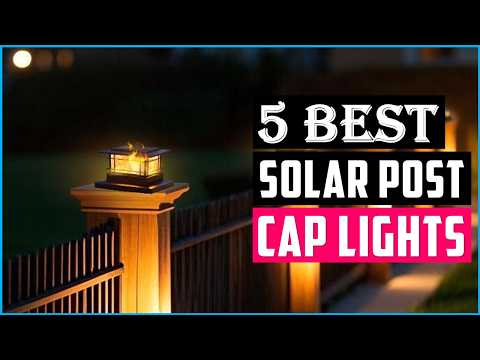
Solar deck post lights are among the most popular options for homeowners who want a classic, refined look. These fixtures typically mount directly onto wooden or composite deck posts, railings, and even fence posts surrounding the deck area. They come in a wide range of designs—from sleek modern lantern styles to ornate traditional Victorian-inspired housings—making it easy to match your deck’s architectural character. Most solar post lights feature a top-mounted photovoltaic panel that charges a rechargeable battery, and many include adjustable brightness settings or motion sensors for added versatility.
Solar Deck Step Lights
Safety should always be a top priority on any elevated deck, and solar deck step lights address this concern brilliantly. These low-profile fixtures are designed to sit flush into the edge of each step or tread, providing direct downward illumination that highlights each step clearly. Because they sit at ground level, they are less prone to being knocked over or damaged. Step lights typically use energy-efficient LED arrays and are constructed from weather-resistant materials like stainless steel, brass, or UV-stabilized polycarbonate to withstand rain, snow, and UV exposure throughout the seasons.
Solar Deck Rail Lighting
For homeowners with raised decks that feature horizontal railing systems, solar deck rail lighting offers a seamless, nearly invisible lighting solution. These fixtures clip or slide directly onto the top or bottom rail and cast a soft downward wash of light along the deck’s perimeter. Rail lights are particularly effective for creating a warm, layered ambiance that enhances the deck’s atmosphere without creating harsh glare. Many models feature flexible mounting brackets that accommodate various rail diameters, making them compatible with most standard deck construction materials.
Solar Deck String Lights
If you want to create a cozy, patio-style atmosphere on your deck, solar string lights are an outstanding choice. These drape across overhead structures like pergolas, shade sails, or between posts and deliver a gentle, warm glow that transforms an ordinary deck into an inviting evening retreat. Modern solar string lights use commercial-grade LED bulbs and can run for 8 to 12 hours on a single charge, depending on battery capacity and ambient light conditions during the charging day.
How to Choose the Right Decking Solar Lighting System
Selecting the best solar lighting for your deck involves evaluating several key factors that directly impact performance and satisfaction:
- Brightness (Lumens): Look for deck step lights in the range of 20 to 50 lumens per fixture and post lights between 40 and 100 lumens for adequate visibility without overwhelming the space.
- Battery Capacity: Lithium-ion batteries with capacities of 400 mAh and above generally offer longer overnight run times and better performance during cloudy weather or winter months.
- Weather Rating (IP Score): Ensure your chosen fixtures carry an IP44 rating or higher to guarantee reliable operation in rain and damp conditions.
- Material Quality: Marine-grade stainless steel, powder-coated aluminum, and UV-resistant plastics offer the best longevity for outdoor exposure.
- Charging Efficiency: Monocrystalline solar panels charge faster and perform better in low-light conditions than polycrystalline alternatives.
- Mounting Compatibility: Verify that the light’s mounting system suits your deck’s construction material—wood screws for wooden decks, clamps for metal rails, or adhesive mounts for composite surfaces.
Installation Tips for Decking Solar Lights
One of the greatest advantages of decking solar lighting is the simplicity of installation. Most solar deck fixtures require no wiring, no electrical permits, and no professional electrician. However, following a few expert installation tips will dramatically improve performance and longevity:
- Position Solar Panels for Maximum Sun Exposure: Ensure that the photovoltaic panels on each fixture receive at least 6 to 8 hours of direct sunlight daily. Trim nearby trees or foliage that may cast shadows on the panels during peak charging hours.
- Clean Panels Before First Use: New solar lights often arrive with a protective film or manufacturing residue on the panel. Wipe it clean with a microfiber cloth to maximize charging efficiency from day one.
- Angle Panels Southward (Northern Hemisphere): If your fixtures have adjustable panels, orient them toward the south to capture the most consistent sunlight throughout the day.
- Pre-Drill Mounting Holes in Wooden Decks: To prevent splitting, always pre-drill pilot holes before driving screws into wooden deck posts or steps.
- Test Before Final Mounting: Fully charge each light before permanent installation to confirm it operates correctly and provides adequate brightness for your needs.
- Space Fixtures Evenly for Consistent Coverage: For deck post lights, maintain approximately 8 to 10 feet between fixtures along the perimeter. For step lights, install one on every tread for uniform, safe illumination.
Comparison: Solar vs. Wired Deck Lighting
| Feature | Decking Solar Lighting | Wired Deck Lighting |
| Installation Complexity | Minimal — no wiring required | Moderate to high — requires electrical work |
| Ongoing Electricity Cost | Zero | Varies based on usage |
| Placement Flexibility | Highly flexible — reposition anytime | Fixed — constrained by wiring routes |
| Brightness Output | Moderate — sufficient for ambiance and safe navigation | High — can support brighter, larger fixtures |
| Maintenance | Low — occasional battery replacement | Low — but repairs may require electrician |
| Weather Resilience | Excellent — self-contained units | Good — but wiring connections vulnerable |
| Upfront Cost | Low to moderate | Moderate to high (plus installation labor) |
Expert Tips for Maximizing Solar Deck Light Performance

Even the best decking solar lighting setup can underperform if you overlook a few critical optimization strategies. Here are expert-backed recommendations that make a measurable difference:
- Seasonal Panel Repositioning: The sun’s angle changes significantly between summer and winter. Adjust your solar panel orientation seasonally to capture the maximum amount of available light.
- Keep Panels Free of Debris: Leaves, dirt, bird droppings, and snow can dramatically reduce charging efficiency. Make it a habit to wipe down panels weekly during fall and after storms.
- Upgrade Batteries Annually: Even high-quality rechargeable batteries degrade over 12 to 18 months. Replacing them with fresh lithium-ion cells restores full brightness and run time.
- Use Reflective Surfaces Strategically: Placing solar lights near light-colored deck surfaces, walls, or planters amplifies the perceived brightness without increasing power draw.
- Choose Warmer Color Temperatures: For a welcoming, residential deck atmosphere, select solar lights in the 2700K to 3000K warm white range. Cool white lights above 5000K can create a harsh, commercial feel that detracts from the comfort of your outdoor space.
Common Mistakes to Avoid With Decking Solar Lighting
Many homeowners experience disappointing results with solar deck lights because of avoidable errors. Here are the most common pitfalls:
- Installing lights in shaded areas: Even partial shade on the solar panel drastically reduces charging time and overnight brightness. Always test the sunlight exposure at the proposed installation spot before committing.
- Mixing incompatible light types: Using a combination of solar step lights with different battery capacities or LED wattages can create uneven lighting patterns that look inconsistent and unpolished.
- Ignoring seasonal performance drops: Solar lights naturally produce less light during short, cloudy winter days. Setting realistic expectations and supplementing with rechargeable battery backups during the darkest months helps maintain consistent deck illumination year-round.
- Over-tightening mounting hardware: Excessive torque can crack polycarbonate light housings or strip screw holes in composite deck materials. Hand-tighten and check stability with a gentle push test.
Frequently Asked Questions About Decking Solar Lighting
What is the best placement for solar deck lights to maximize charging efficiency?
The ideal placement for solar deck lights is on the south-facing side of your deck where the fixtures receive unobstructed direct sunlight for at least six to eight hours per day. Avoid positioning them under overhangs, behind tall planters, or near walls that cast shadows during the peak sun hours between 10 a.m. and 4 p.m.
How long do solar deck lights last on a single full charge?
Most quality solar deck lighting fixtures run between 8 and 12 hours on a fully charged lithium-ion battery. Factors that influence run time include the battery capacity measured in milliamp-hours, the LED wattage, ambient temperature, and the amount of direct sunlight the panels received during the previous day.
Can I use solar deck lights during winter or in overcast climates?
Yes, you can absolutely use solar deck lights in winter or cloudy climates, though performance will be reduced. Modern solar fixtures with monocrystalline panels and high-capacity lithium batteries can still charge effectively on overcast days, though you may notice shorter run times and slightly dimmer output during extended periods of limited sunshine.
Do solar deck lights require any wiring or electrical connections?
No, one of the greatest advantages of decking solar lighting is that it operates completely independently of your home’s electrical system. Each fixture contains its own integrated solar panel, rechargeable battery, LED, and light sensor, requiring zero wiring, no electrical permits, and no connection to household power.
How often should I replace the batteries in my solar deck lights?
Most solar deck light batteries last between one and two years before their capacity degrades noticeably. If you observe that your lights are dimming faster than usual or not lasting through the night, it is typically time to replace the rechargeable battery. Many popular models use standard replaceable AAA or AA lithium batteries that are widely available and inexpensive.
Conclusion
Decking solar lighting represents one of the smartest investments any homeowner can make to enhance both the functionality and beauty of their outdoor living space. By understanding the different types of solar deck lights available, choosing fixtures that match your deck’s design and your practical needs, and following proper installation and maintenance practices, you can enjoy a beautifully illuminated deck that is safe, welcoming, and completely free of electricity costs. The technology behind decking solar lighting continues to advance rapidly, with brighter LEDs, more efficient solar panels, and longer-lasting batteries making these systems increasingly capable and reliable. Whether you are a weekend DIY enthusiast looking for a quick upgrade or a homeowner planning a comprehensive deck renovation, solar lighting offers a versatile, cost-effective, and environmentally responsible path to an extraordinary outdoor space that you can enjoy long after the sun goes down.